
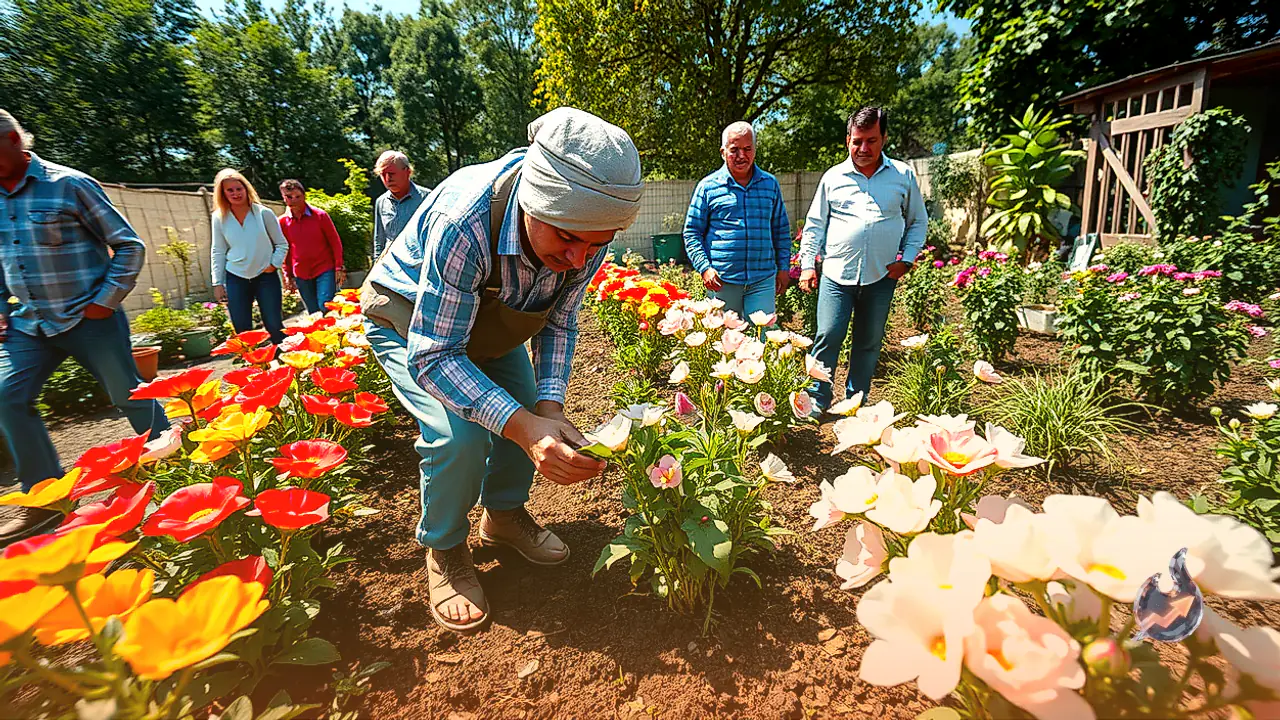


















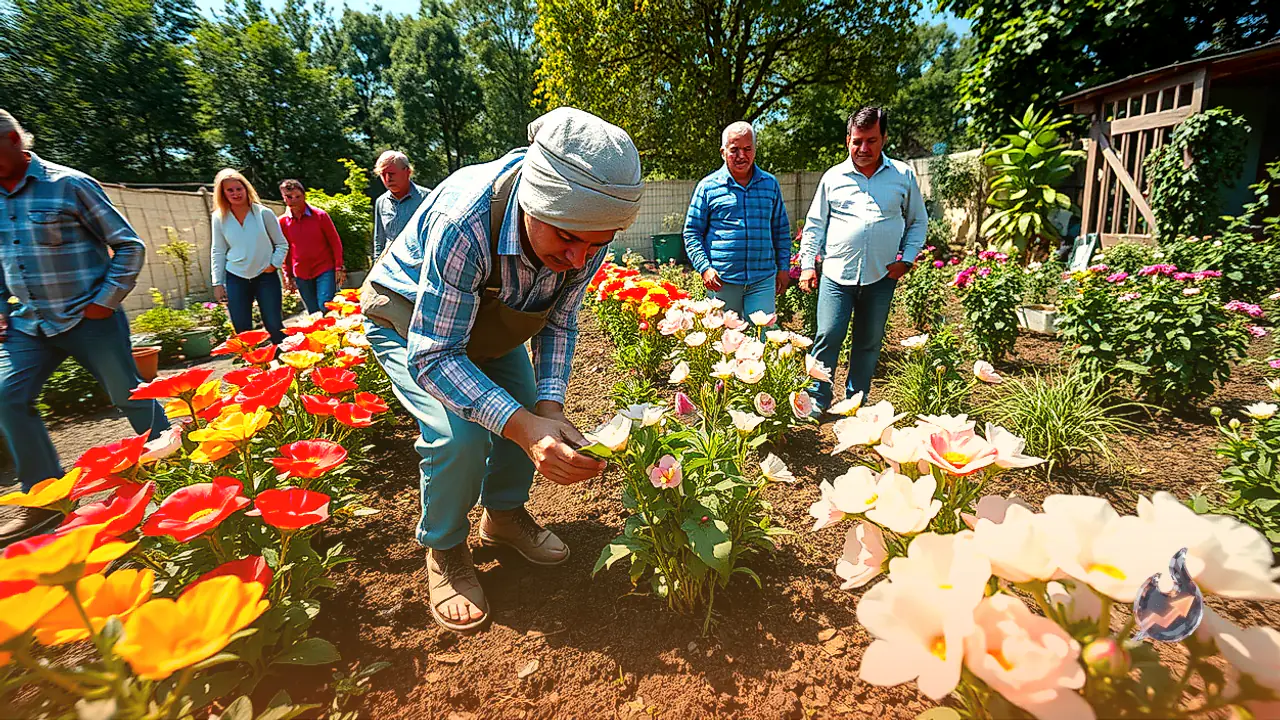

During the festive month of October, households often prefer adorning their courtyards and entrances with various flowering plants to enhance their visual appeal. Among these, the Harsingar plant, widely recognized as Parijat, holds a special place of attraction. Its white blossoms that open up at night along with a captivating fragrance create a delightful atmosphere all around. However, due to improper maintenance, the plant's growth frequently stalls, and the production of flowers diminishes over time. To address this, a nursery expert from Bokaro named Abhishek has shared several useful tips aimed at improving the overall health and flowering of the Harsingar plant.
Choosing the Right Pot and Variety
According to the nursery expert Abhishek, Harsingar is a unique flowering plant primarily known for blooming at night and for its pleasant scent. Its flowers draw special attention from October through December. This plant can be successfully cultivated in home courtyards, balconies, or even rooftop spaces. Individuals facing space constraints can opt for its dwarf variety, which can be easily grown inside a 10 to 12-inch pot. Since it develops nicely within restricted spaces, the pot eventually becomes overflowing with blossoms.
Preparing Fertile Soil for the Pot
Selecting the appropriate soil mixture and container is vital for the robust growth of a Harsingar plant. Initially, the plant can be potted inside a terracotta container, where a medium size ranging between 10 to 12 inches works best. Furthermore, the soil needs to be loose and crumbly to support proper root expansion. Mixing organic cow dung manure with regular garden soil allows the Harsingar plant to grow at a much faster rate.
Applying Manure and Aerating Soil
If the Harsingar plant fails to produce flowers or its growth has come to a halt, special attention must be directed toward soil management. Gardeners can gently loosen the top layer of the pot's soil once every month. Following this, adding compost, well-rotted cow dung manure, and an appropriate amount of mustard cake can prove highly beneficial. These amendments supply essential nutrients to the plant and stimulate healthy developmental progress.
Ensuring Adequate Sunlight Exposure
Sufficient sunlight is an absolute requirement for the proper growth and enhanced flowering of the Harsingar plant. Therefore, the pot should be positioned in a spot where the plant receives roughly 6 to 7 hours of daily sunlight. Access to adequate light promotes stronger development across the entire plant.
Pruning for a Bushy Appearance
Regular pruning of the Harsingar plant is essential to keep it looking dense and visually appealing. Based on expert recommendations, light trimming can be performed depending on the plant's condition, though timing is extremely crucial. Unnecessary cutting should be strictly avoided while the plant is actively flowering, and trimming is best executed after the month of February following the winter season.
Managing Water to Prevent Yellow Leaves
A common issue observed in Harsingar plants is the yellowing of leaves. To prevent this condition, frequent watering should be avoided, and water must only be supplied after the topsoil layer in the pot has completely dried out. Additionally, gardeners must ensure that adequate drainage holes are present at the bottom of the container so that excess water can easily escape. Sustained dampness in the soil can cause severe damage to the root system.