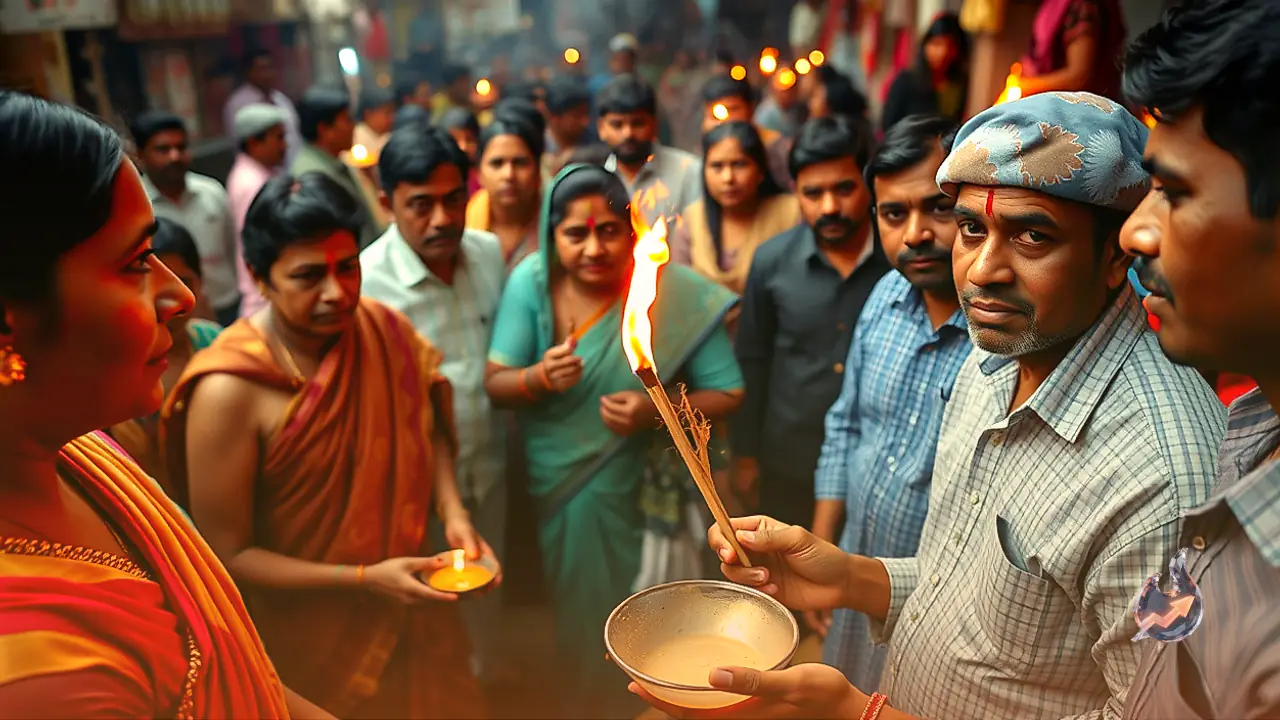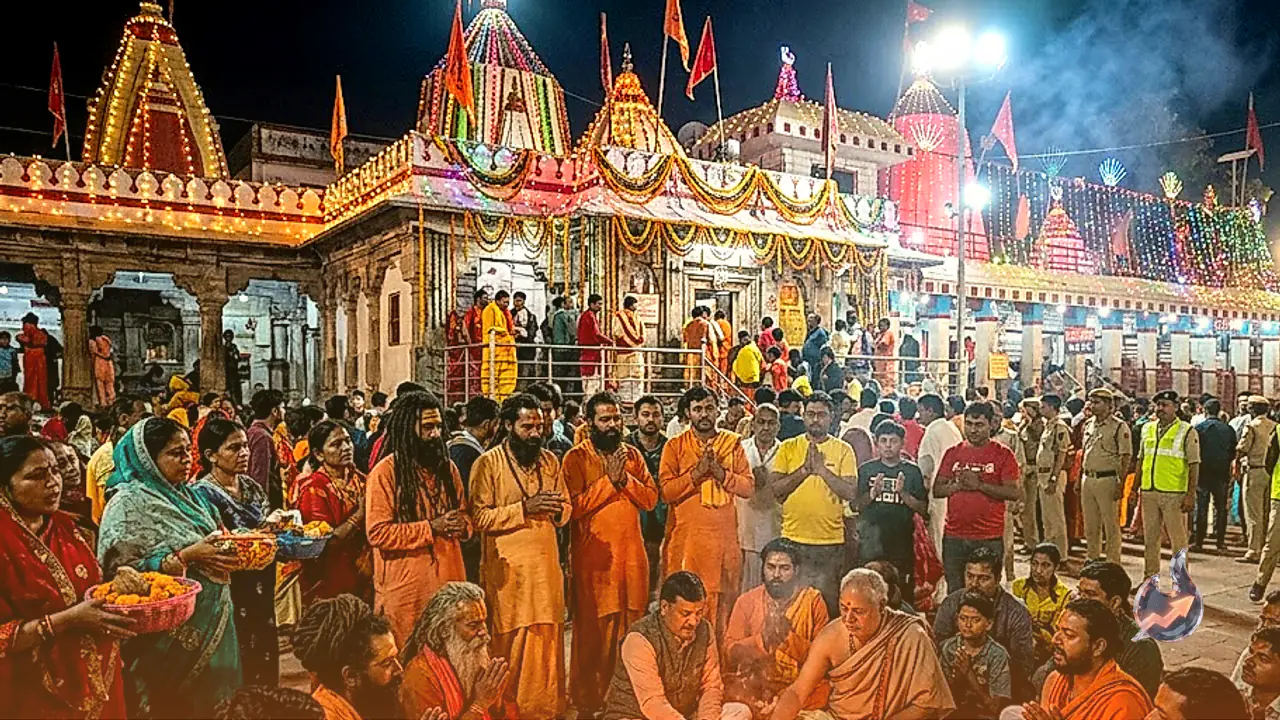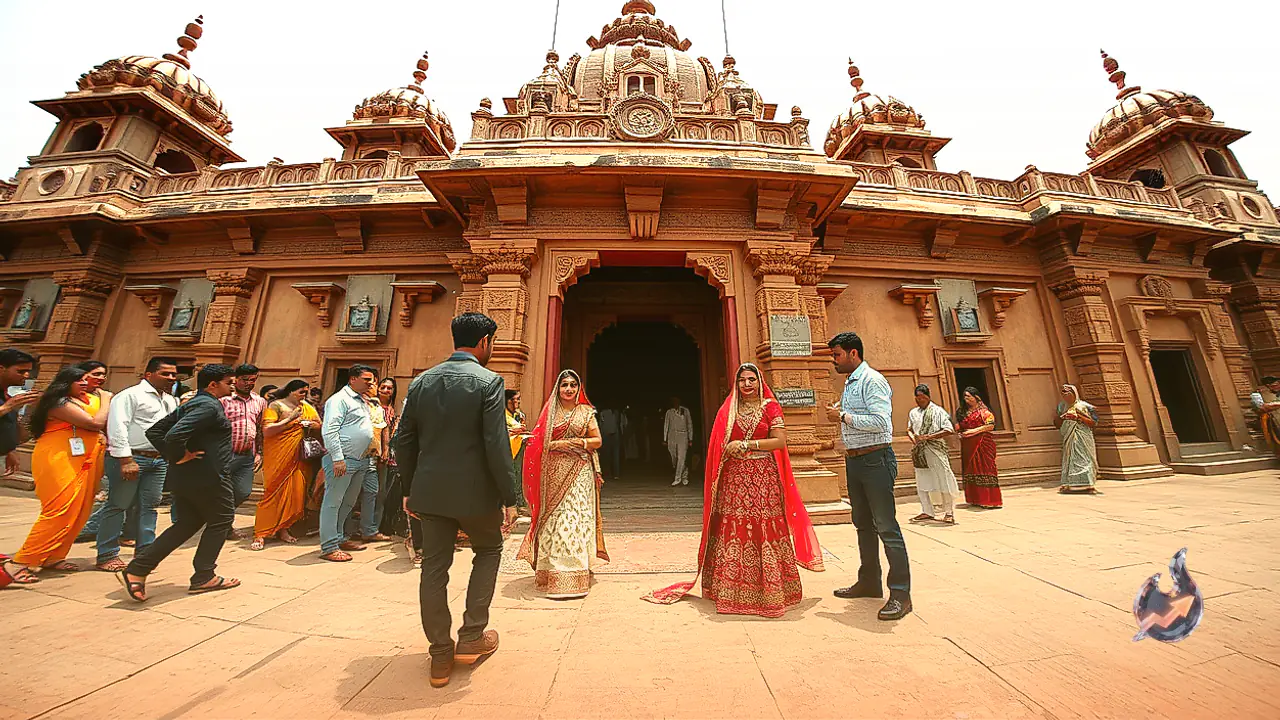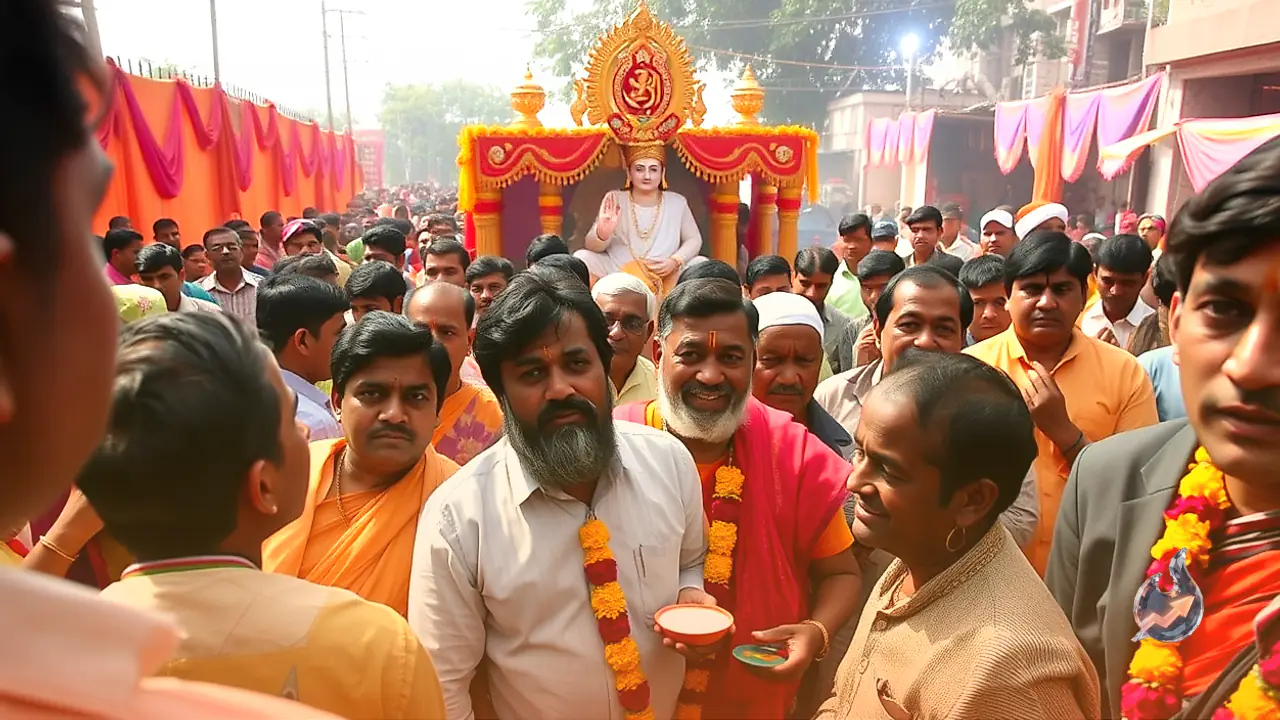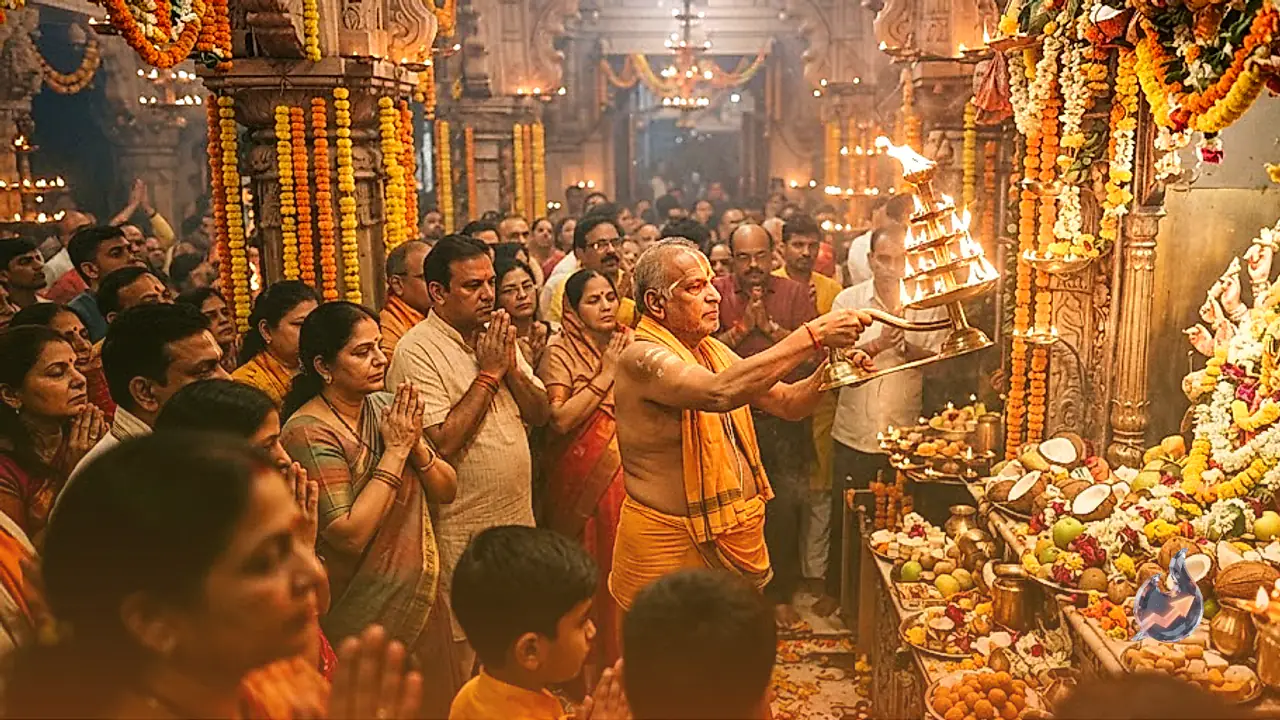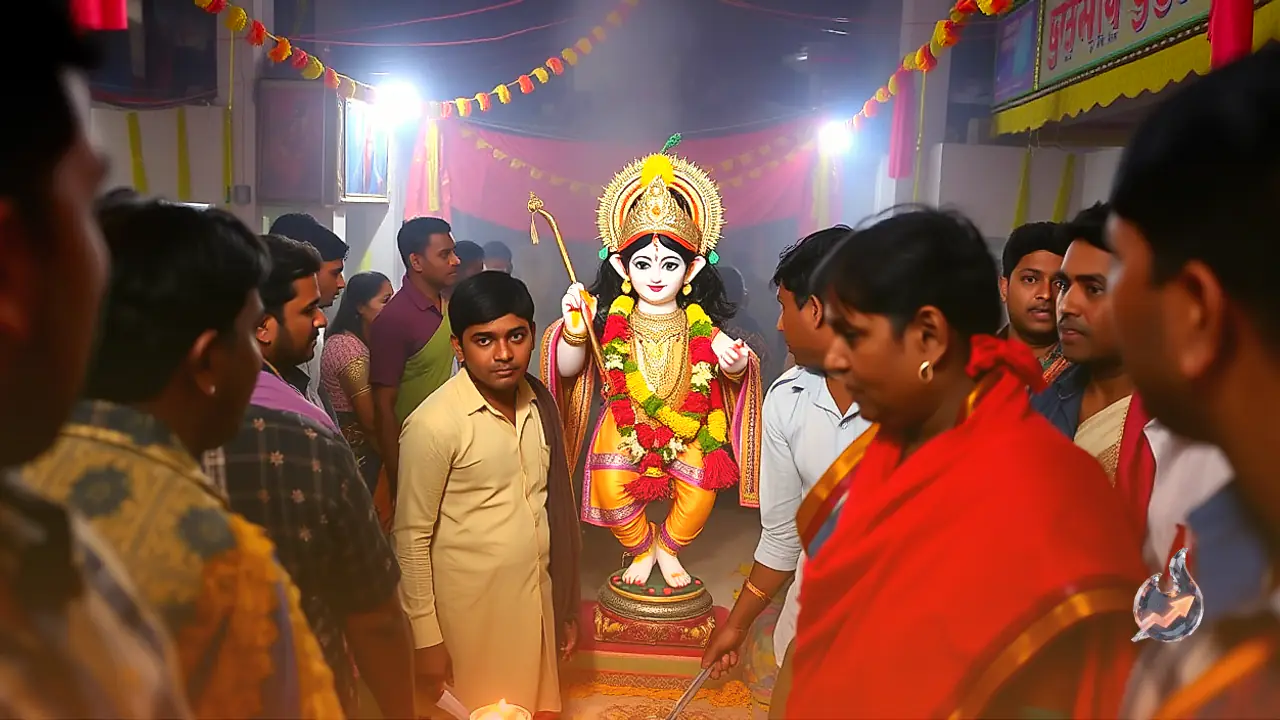


















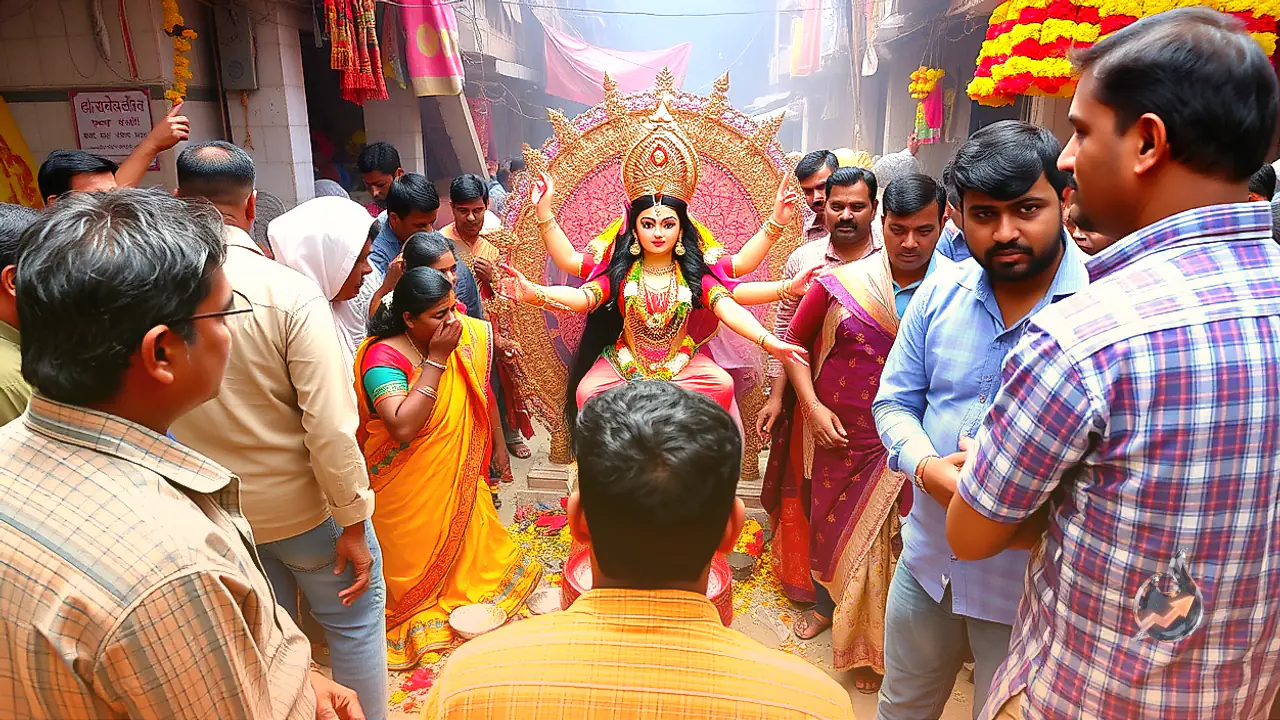

During the auspicious festival of Shardiya Navratri 2026, devotees across the country are seeking complete clarity regarding the exact dates and auspicious timings for Durga Ashtami. The eighth day of Navratri is strictly dedicated to the worship of Goddess Mahagauri, the eighth divine form of Goddess Durga. On this holy day, devotees observe fasts and conduct elaborate religious ceremonies in their households. While some worshippers fast specifically on the first day and the eighth day, others observe a complete nine day fast and break it after conducting Kanya Pujan on Ashtami or Navami. In the Sanatan tradition, this sacred eighth day is widely referred to as Durga Ashtami, Mahashtami, or Ashtami Puja. Alongside the day rituals, a highly specialized Vedic and Tantrik worship called Mahanisha Puja is performed on the night of Ashtami. This unique midnight ritual takes place during Nishith Kaal, corresponding to the seventh prahar of the night.
Understanding Panchang Calculations Versus Calendar Dates
Discrepancies often arise between standard Gregorian calendar dates and traditional Hindu lunar dates. During Shardiya Navratri, Durga Ashtami is observed on the Ashtami Tithi of the Shukla Paksha in the month of Ashvin. This year, the lunar tithi spans across two separate calendar days. Consequently, distinct traditions have emerged regarding the scheduling of Mahashtami worship, Tantrik sadhana, Sandhi Puja, and Kanya Pujan.
In Vedic tradition, religious festivals are never determined merely by reading standard calendar dates. Instead, calculations rely on the exact starting time of a tithi, specific auspicious muhurats, local panchang findings, and long-standing family traditions. This explains why the rules governing general householder worship, esoteric Tantrik practices, and Kanya Pujan differ considerably from one another.
The Ashvin Shukla Paksha Ashtami Tithi officially commences on October 18 at 8:28 AM. It continues continuously until October 19 at 10:51 AM. Standard scriptural guidelines place immense importance on Udaya Tithi, which means the lunar date prevailing at sunrise dictates the primary day of observance. Following this Udaya Tithi rule, Mahashtami fasts and general daytime rituals will be celebrated on Monday, October 19. However, families that follow hereditary traditions of worshipping their Kuldevi on Ashtami, or practitioners engaged in Tantrik sadhana, will observe the night rituals on October 18.
The Significance of October 18 Night and Mahanisha Puja
During the daytime hours of October 18, Saptami Tithi remains active, meaning Goddess Kalaratri is worshipped during the day. As night falls on October 18, Ashtami Tithi takes over, making that specific night pivotal for Tantrik practitioners. In esoteric traditions, sunrise timing is not the sole deciding factor. Instead, practitioners analyze which exact tithi is active during the specific midnight sadhana hours. Based on these precise calculations, the night of October 18 is designated for Ashtami Tantrik sadhana.
It is crucial to note that rules for Mahanisha Puja and esoteric rites vary across different sects, lineages, and regional panchangs. Standard scriptures emphasize that complex Mahanisha Puja rituals are not mandatory for everyday householders.
The auspicious muhurat for Mahanisha Puja on the night of October 18 opens at 11:36 PM and closes at 12:36 AM on midnight, lasting for a total duration of exactly 1 hour.
Two Paths of Worship: Dakshinmarg and Vammarg
Within the Shakta tradition of Goddess worship, two primary spiritual paths are recognized, known as Dakshinmarg and Vammarg. Each path carries its own distinct scriptural methodology and ritual codes.
Dakshinmarg represents the purely Sattvic path of worship. This mode emphasizes pure devotion, mantra recitation, reading of the Durga Saptashati, offering fresh flowers, lighting ghee lamps, and praying to the peaceful forms of the Divine Mother. Householders living normal family lives are encouraged to follow Dakshinmarg to seek the blessings of Goddess Durga according to their family customs.
In contrast, Vammarg involves specialized nighttime esoteric sadhanas and intense rituals. Mahanisha Puja in certain traditional lineages is performed within this framework. The rules of Vammarg are vastly different and far more rigorous than general householder prayers.
Religious scholars strongly advise that complex Tantrik sadhanas should only be attempted under the direct supervision of a qualified guru following formal initiation. Attempting intricate rituals without proper diksha, intense preparation, and continuous guidance can be harmful. Regular devotees of Goddess Durga should simply focus on peaceful prayers, chanting divine mantras, reciting the Durga Chalisa, and remembering the Mother Goddess with love and devotion during the night hours.
The Spiritual Essence of Mahanisha Puja
Mahanisha Puja holds an extraordinary position in Shakta and Tantrik traditions as an intense midnight adoration of the supreme energy. Performed during the midnight hours of Navratri Ashtami, this sadhana is associated with awakening spiritual consciousness and connecting with the ultimate power of the universe. The worship primarily focuses on Goddess Adishakti Durga, Goddess Kali, and other formidable manifestations of the divine feminine.
Practitioners participating in this nighttime sadhana must maintain strict physical and mental purity. The entire ceremony must adhere strictly to the specific mantras and procedures handed down by one's guru. Essential components include lighting sacred lamps, chanting prescribed mantras, deep meditation, and reciting scriptural hymns. Unwavering focus, self restraint, and profound faith are absolute prerequisites for this path.
Essential Guidelines for Householders
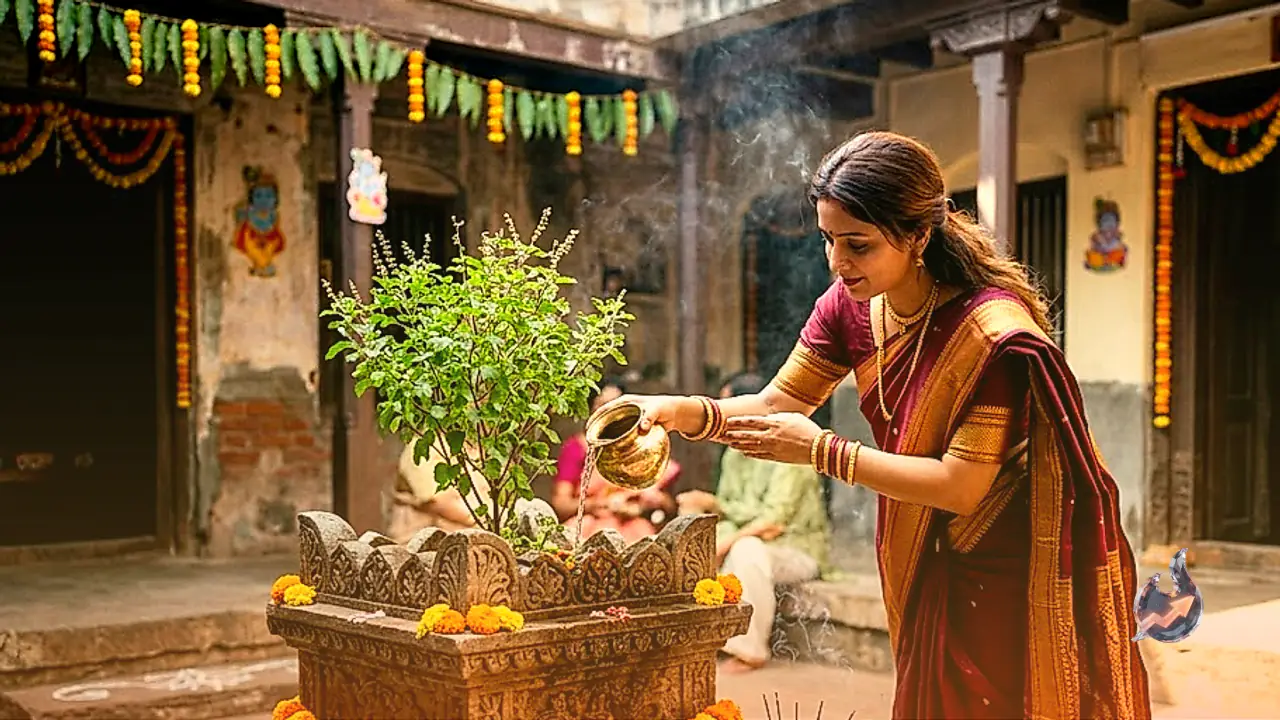
For householders leading everyday family lives, scriptures recommend practicing simple and pure devotion. Chanting the Durga Chalisa, reciting sacred mantras, and performing regular evening aarti at home temples are considered highly beneficial. Because Tantrik sadhanas follow entirely different and stringent rules, householders should avoid experimenting with uninitiated esoteric rites. The core spirit of Mahanisha Puja lies in cultivating self discipline, spiritual awareness, and sincere devotion to Goddess Adishakti.
Religious Importance of Durga Ashtami and Kanya Pujan
In the Vedic calendar, Ashtami is viewed as one of the most auspicious lunar days in every lunar month. Observing fasts, reciting Durga Saptashati chapters, and chanting mantras on Mahashtami yields immense spiritual merit. On this day, families perform Kanya Pujan by inviting young girls and a boy (Batuk) to offer them meals, gifts, and respect. In Bengal and eastern regions of India, Mahashtami is celebrated with great fervour through solemn rituals like Pushpanjali and the sacred Sandhi Puja.