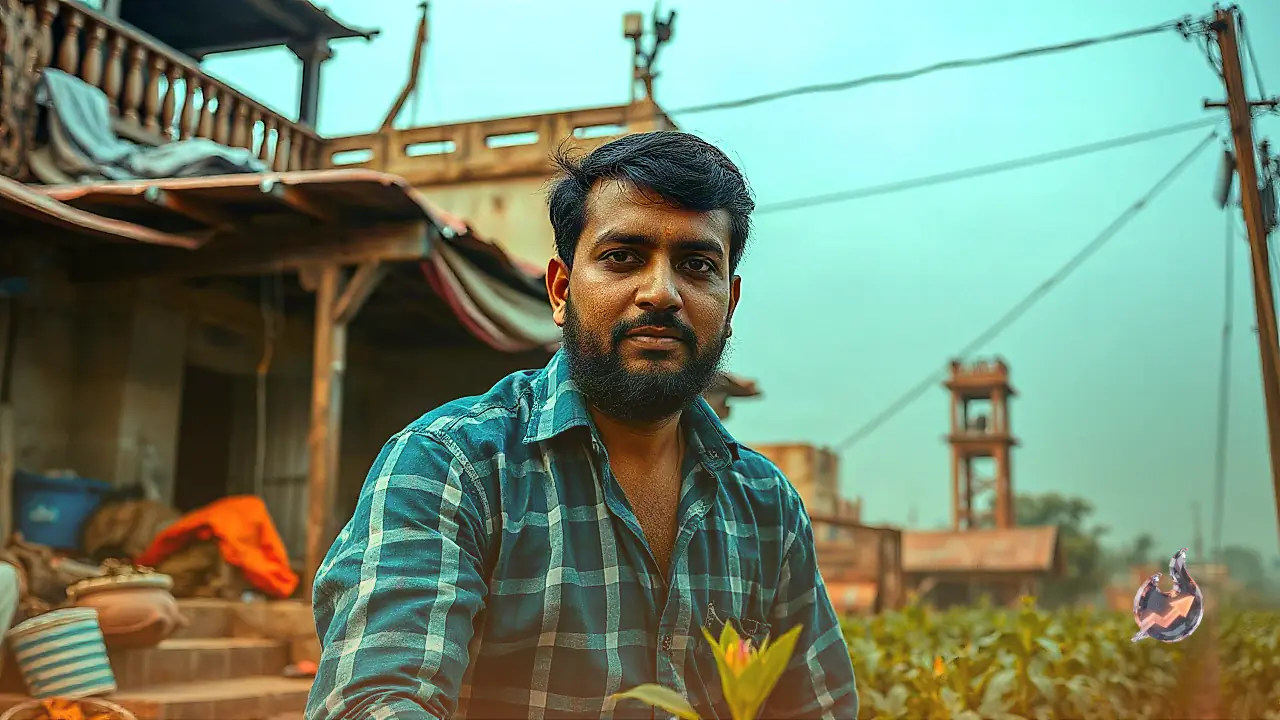
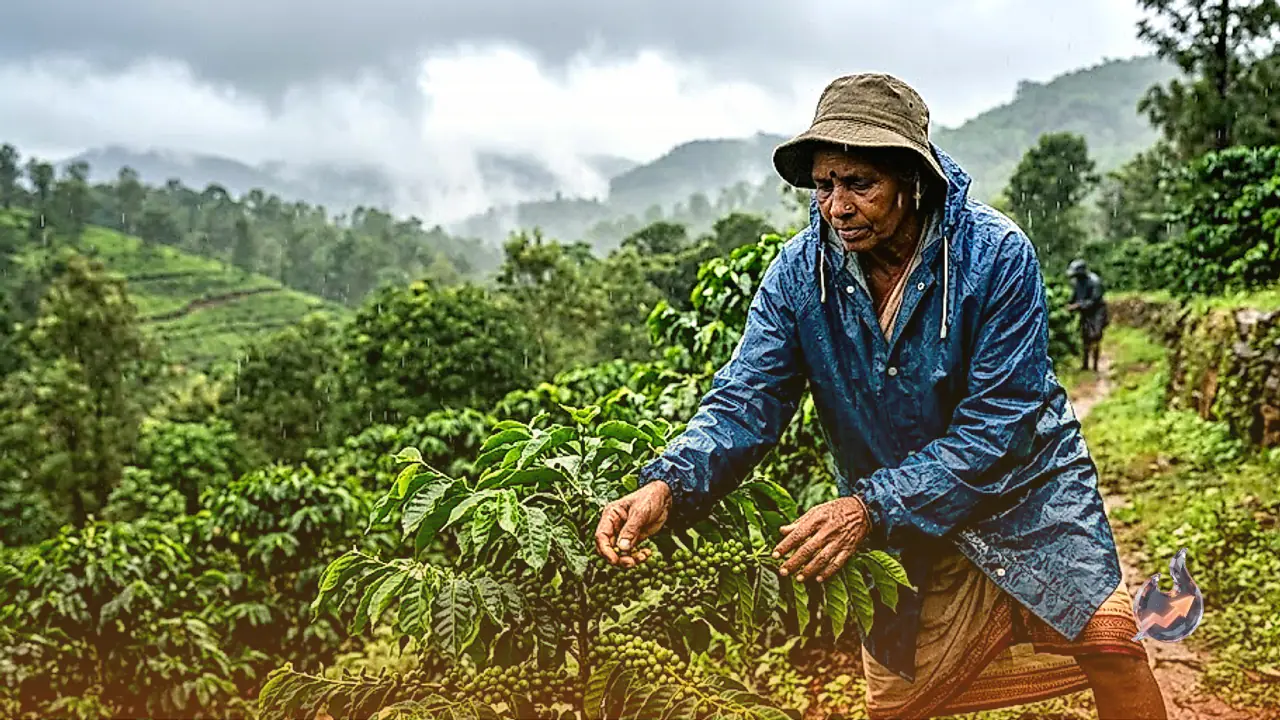























Agriculture is often stereotyped as a traditional, struggle-filled livelihood, but the landscape in Uttar Pradesh's Moradabad district is rapidly changing this narrative. Modern technology, rigorous scientific research, and innovative business acumen have replaced outdated farming conventions. Agriculture is no longer viewed merely as a last resort; it has evolved into a highly profitable enterprise that is successfully luring talent away from high-paying corporate jobs and prestigious scientific careers. At the forefront of this monumental shift are five visionary individuals who have completely redefined the region's agricultural practices.
Leaving Lucrative Careers for Soil and Sustainability
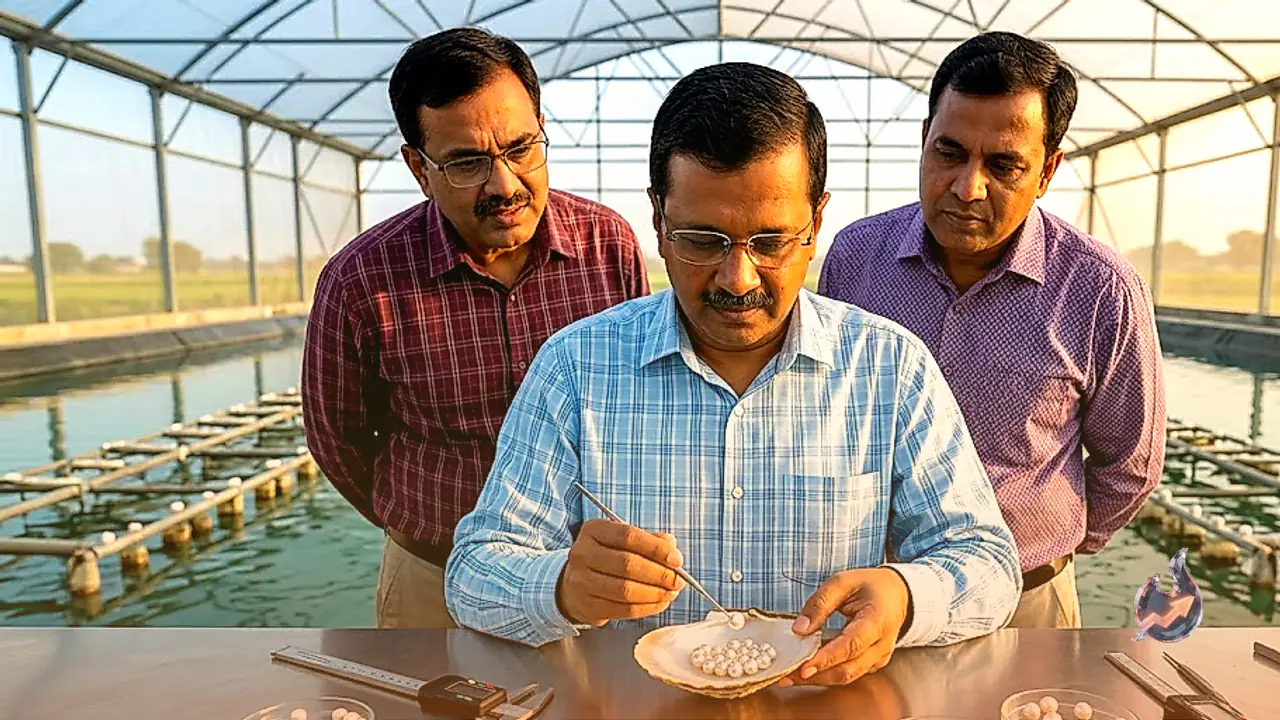
While large numbers of young people migrate to urban centres in search of corporate success, Dr. Ayub Hussain chose an entirely different trajectory. He made the bold decision to walk away from a highly lucrative job that paid him a Rs 33 lakh package, choosing instead to return to his agricultural roots. Though his decision surprised many, his vision was crystal clear. Dr. Ayub ventured into the highly specialised field of pearl farming. While pearls are traditionally associated with marine environments, he successfully adapted the technique to cultivate freshwater pearls in specially constructed ponds on his land. Today, this venture is not just a thriving independent business, but it has also become a major source of employment for youths across surrounding districts.
Shubhamkar Singh took a similarly courageous leap. Having built a strong career as a professional scientist, he realised that his technical expertise could create a far greater impact in open fields than inside a laboratory. Shubhamkar has conclusively proven that applying scientific methodologies to seed selection, crop management, and irrigation can turn agriculture into an incredibly respectable and lucrative profession. He is currently cultivating dozens of unique organic varieties. His primary focus remains on preserving the natural quality of the soil while minimising input costs, ensuring that consumers receive completely pure organic produce. He stands as a living inspiration for the younger generation looking to enter the agricultural sector.
The Intersection of Pearl Cultivation and Organic Produce
Diversification, which involves yielding multiple distinct products simultaneously, is the true key to modern agricultural success. Omprakash Singh has understood and implemented this principle exceptionally well. He does not rely on a single crop cycle. Instead, Omprakash has developed a unique integrated model on his farm, where he cultivates traditional crops while simultaneously running a freshwater pearl farming operation using oysters in his ponds. This pearl cultivation provides him with a massive, supplementary income stream that buffers against standard agricultural risks.
Alongside this, his entire operational focus remains rooted in natural methods. To avoid the long-term degradation caused by chemical fertilisers, Omprakash relies entirely on cow dung and natural compost. By exclusively using these organic methods, he grows premium-quality vegetables, fresh fruits, and other staple crops. This environmentally conscious process ensures zero ecological damage, and his chemical-free produce commands high demand in the market. His operational model serves as a masterclass on how farmers can exponentially expand their revenue sources.
The 'Honey Man' and the Science of Pollination
Naipal Singh, another progressive farmer from Moradabad, has sparked a sweet revolution across the region. Locally celebrated as the 'Honey Man', Naipal has focused his entire enterprise on commercial beekeeping. While most people view beekeeping solely as a means to harvest and sell honey, Naipal deeply understands the profound scientific benefits it brings to the broader agricultural ecosystem, and he actively educates others about it.
Introducing bee colonies near agricultural fields drastically accelerates the natural pollination process. As bees rapidly move from flower to flower, they naturally boost the overall crop yield by a significant margin. Naipal emphasises that the direct income generated from selling honey is merely a bonus; the primary financial benefit comes from the vastly improved harvest volumes. He does not keep this knowledge to himself; he conducts intensive beekeeping training sessions for local farmers and unemployed youths, empowering them to establish their own self-sustaining businesses.
Expanding Cow-Based and Natural Farming
Arendra Badgoti has taken on the massive responsibility of scaling these sustainable efforts across the region. He has made cow-based agriculture and holistic natural farming his primary tools for change. He firmly believes that the rampant use of chemical pesticides in modern farming is not only a severe hazard to human health but also artificially inflates operational costs. He actively educates rural communities on how natural fertilisers formulated from cow dung can restore the lost vitality of degraded soil.
Arendra's vision extends far beyond mere crop production. He places a massive emphasis on the post-harvest processing of agricultural goods. Instead of selling raw crops directly to wholesale markets at baseline prices, processing them and selling them as branded products yields a significantly higher profit margin. Arendra regularly organises rural training camps to share these insights. His comprehensive model of environmental conservation, low-cost operations, and premium output is now being adopted by farmers far beyond Moradabad.
A New Era in Agriculture
The success stories of these five farmers in Moradabad are not limited to their personal growth. They serve as a massive lesson for the entire Indian agricultural sector. At a time when climate change and declining soil fertility are becoming serious crises for farmers, the importance of these natural and technological interventions grows exponentially. The indiscriminate use of chemicals was not only making crops toxic but was also causing heavy financial losses to farmers.
Today, as many people turn away from urban lifestyles and seek pure, organic food, the market demand for such produce is steadily rising. Organically grown fruits, vegetables, and pure honey fetch much higher prices than conventional products. Furthermore, the emphasis these farmers place on processing represents a major paradigm shift. Moradabad's agricultural model has essentially transformed into an open laboratory, where new farmers arrive daily to undergo training and script their own financial destinies.