
















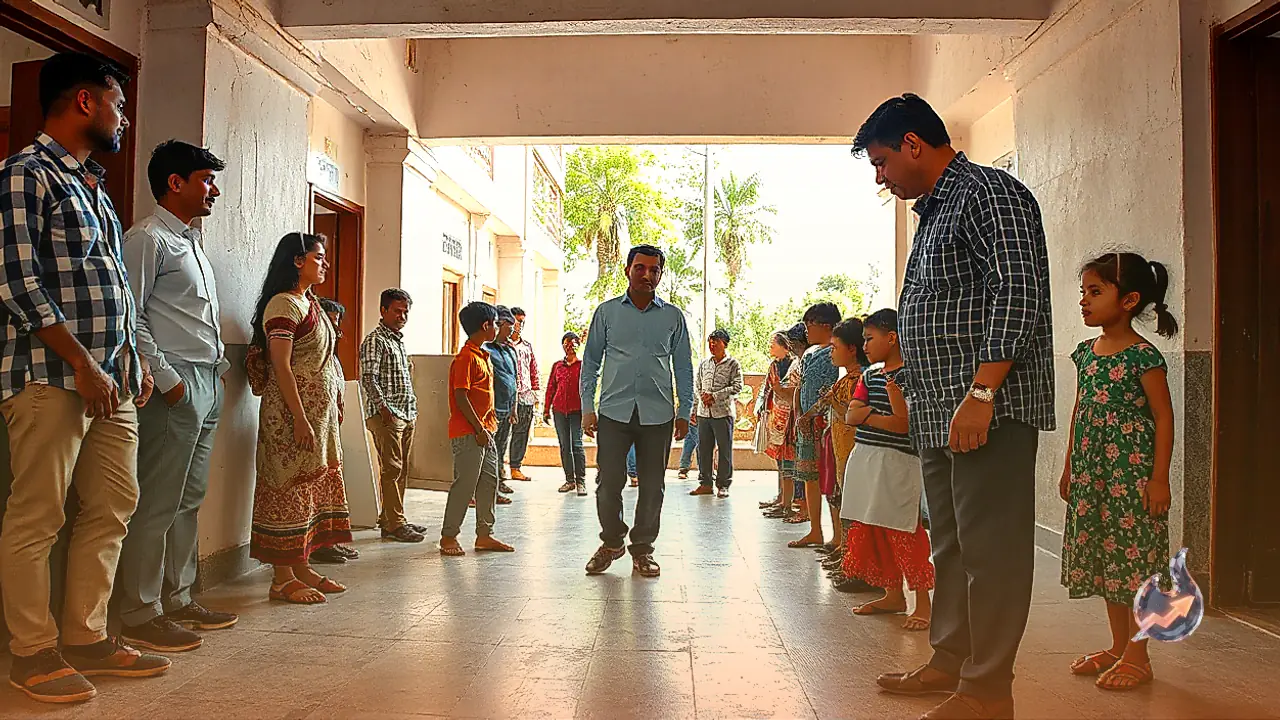
In the Chhatarpur district of Madhya Pradesh, 53-year-old lawyer Sanjay Khare has dedicated a significant portion of his life to the welfare and upliftment of differently abled children. Currently operating the Pragatisheel Divyang Sanstha, he has helped shape the futures of hundreds of children over the decades. The institution welcomes children from villages across Chhatarpur, ensuring they receive proper accommodation, meals, and educational opportunities under one roof.
The Origins of Pragatisheel Divyang Sanstha
Sanjay shares that his association with disability welfare began when he was only 20 years old. During his college years, he connected with advocate Nihal Ahmad Siddiqui, who unfortunately had a physical disability and laid the foundation for the institution. Despite the age difference, they shared a strong bond and officially started the organization together in 1986. Having been associated with the institution for over 30 years, Sanjay recalls that the humble beginnings started with just a tin shed and a mud hut.
Balancing Law, Journalism, and Social Work
Recalling the early days, Sanjay notes that Nihal Ahmad Siddiqui was a literary man who wrote poetry and later ventured into journalism. During this period, Sanjay completed his LLB degree. As poetry took a backseat, he chose to pursue a career in law. Despite his busy legal practice, he made it a routine to visit the institution every morning and evening to oversee operations. Although Nihal Ahmad Siddiqui eventually passed away, the mission to serve continued forward.
Managing Multiple Responsibilities
To this day, Sanjay manages the institution alongside his legal practice and his responsibilities as an announcer at Akashvani. For more than thirty years, he has continuously overseen the arrangement of meals, housing, and education for the children residing at the center, balancing his professional commitments with his dedication to social welfare.
Building the Institution Through Public Support
Discussing the initial struggles of running the organization, Sanjay explains that in the beginning, support was sought from every corner of the city, including local residents, officials, and leaders. During those early years, government assistance was unavailable, prompting them to travel across the city to gather resources and build the institution from the ground up.
Treating Children Like Family
Sanjay humbly refuses to label himself as a traditional social worker, explaining that the children at the center are not outsiders to him. He treats every child at the facility with the same affection and care as his own family members, spending quality time with them just as he would with his personal children.
Current Status and Future Commitment
Detailing the current operations, Sanjay mentions that the government provides one thousand rupees per child based on verification inspections, while the institution covers the remaining expenses. Currently, 32 children reside at the facility. Although no government support was available when the initiative first started, Sanjay remains firmly committed to continuing this mission and securing a brighter future for differently abled children in the years to come.