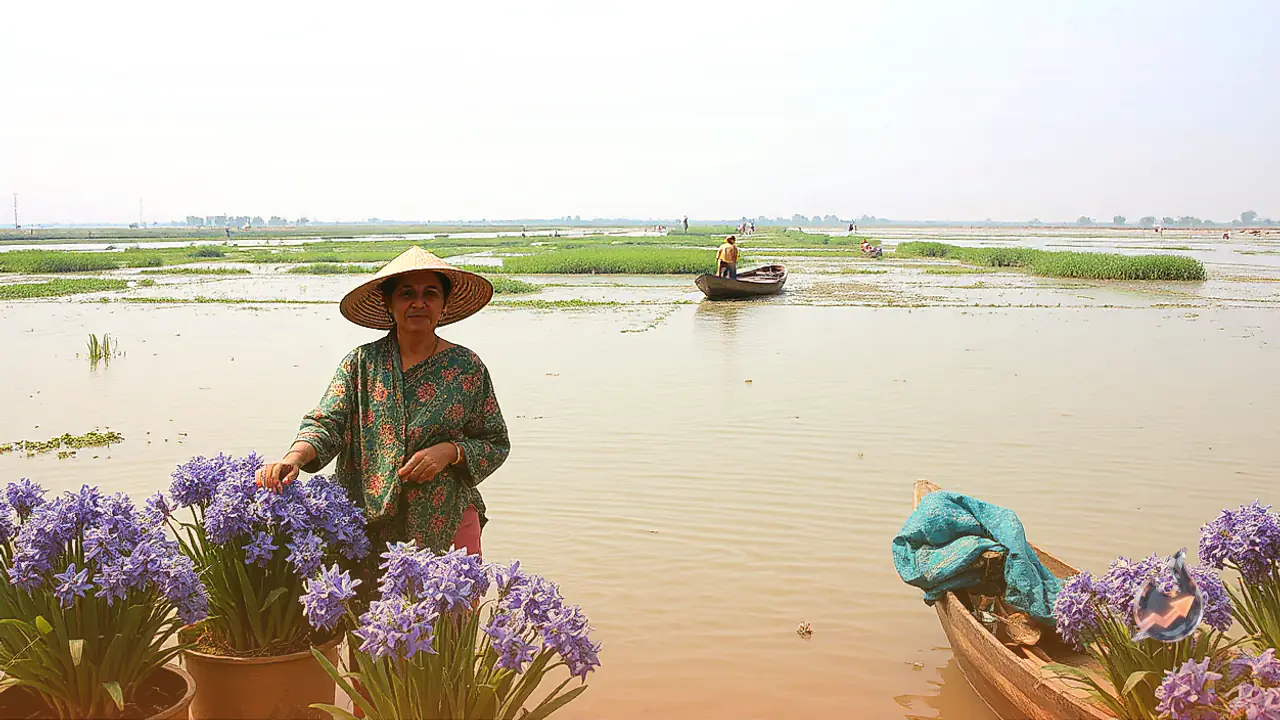

Women residing in the Tharuhat region of West Champaran district are spearheading an impressive sustainability initiative by turning unwanted water hyacinth from local water bodies into a variety of useful household goods. The crafted items include tea coasters, hot pots, tablecloths, and stylish hats, drawing attention from far and wide. This ingenious method of converting waste into valuable products has opened up fresh avenues for the women of the region, transforming local waterways' cleaning into a thriving livelihood.
Surging demand from the national capital and multiple states
The remarkable appeal of these handcrafted goods is evident from the fact that, even in the early stages of production, orders have begun pouring in from several states across the country. Alongside the national capital of Delhi, states like Jharkhand, Assam, Maharashtra, and multiple regions in the Northeast are actively demanding these eco-friendly products. The unique blend of traditional craftsmanship and utility has made these items highly sought after in distant markets.
The intricate process of converting aquatic weeds into sturdy ropes
The core workforce behind this initiative consists of Tharu women primarily from the Harnatand and Ramnagar blocks of the district. These women begin by harvesting water hyacinth from nearby ponds and water bodies, subsequently laying them out in the sun to dry thoroughly. Once dried, the material undergoes a lengthy processing method to be spun into durable ropes. These ropes are then expertly woven to fashion flower pots, hats, tea coasters, and hot pots.
Shubham Neeraj unites local artisans to preserve culture
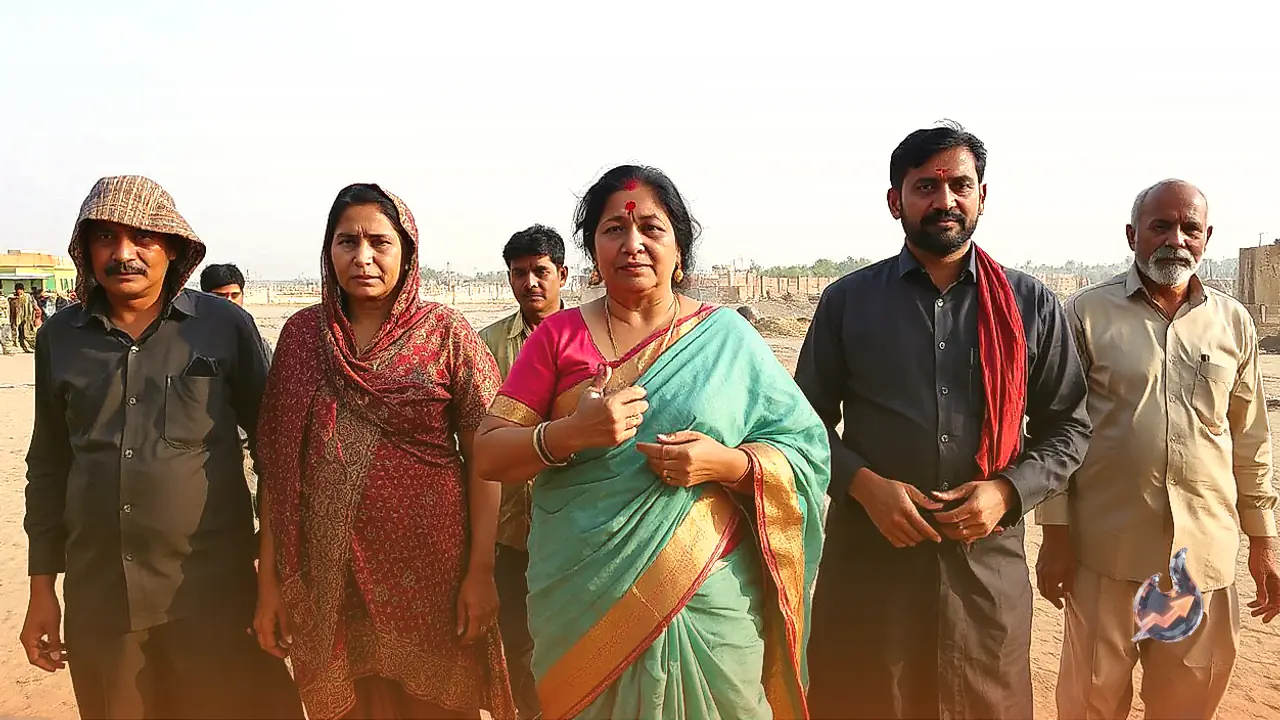
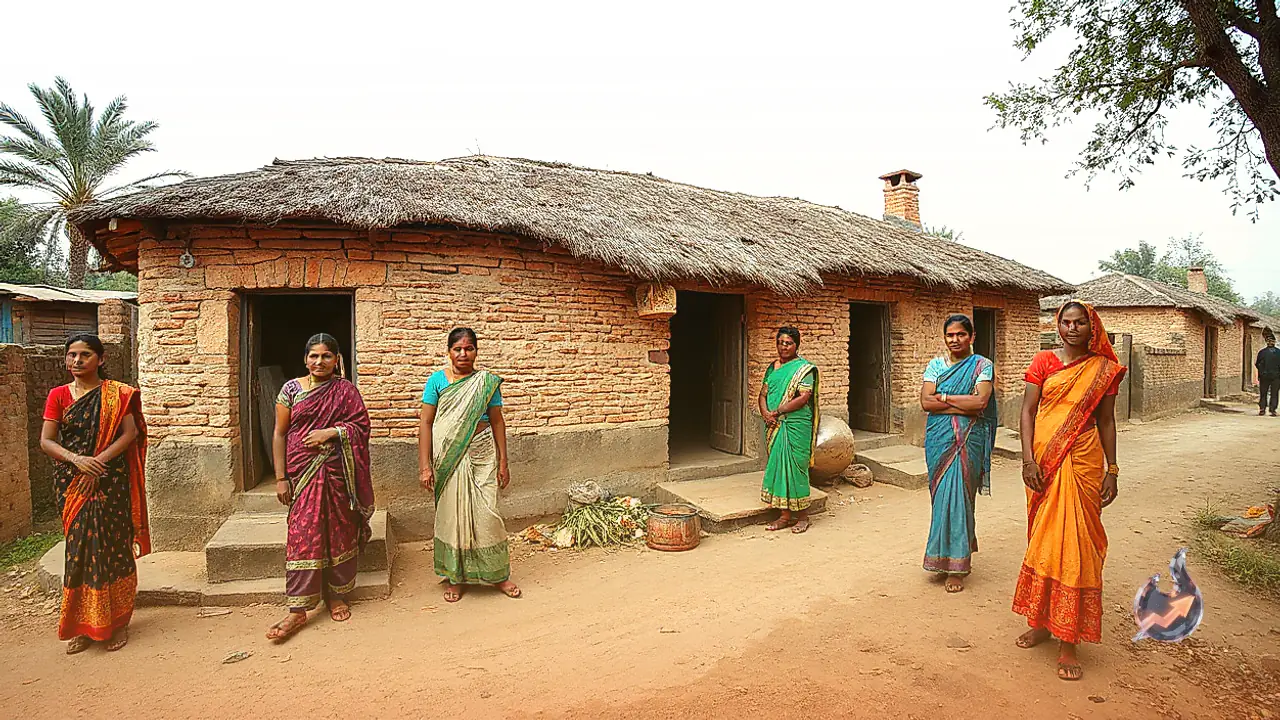
The driving force behind organizing these women into a cohesive collective is Shubham Neeraj from Tharuhat. Shubham brought together a group of around 40 women who possess expertise in preserving Tharuhat culture and transforming forest waste into utility items. Building upon this skill set, the group conceptualized and initiated the manufacturing of everyday utility products using water hyacinth.
Local artisans driving daily production and fair earnings
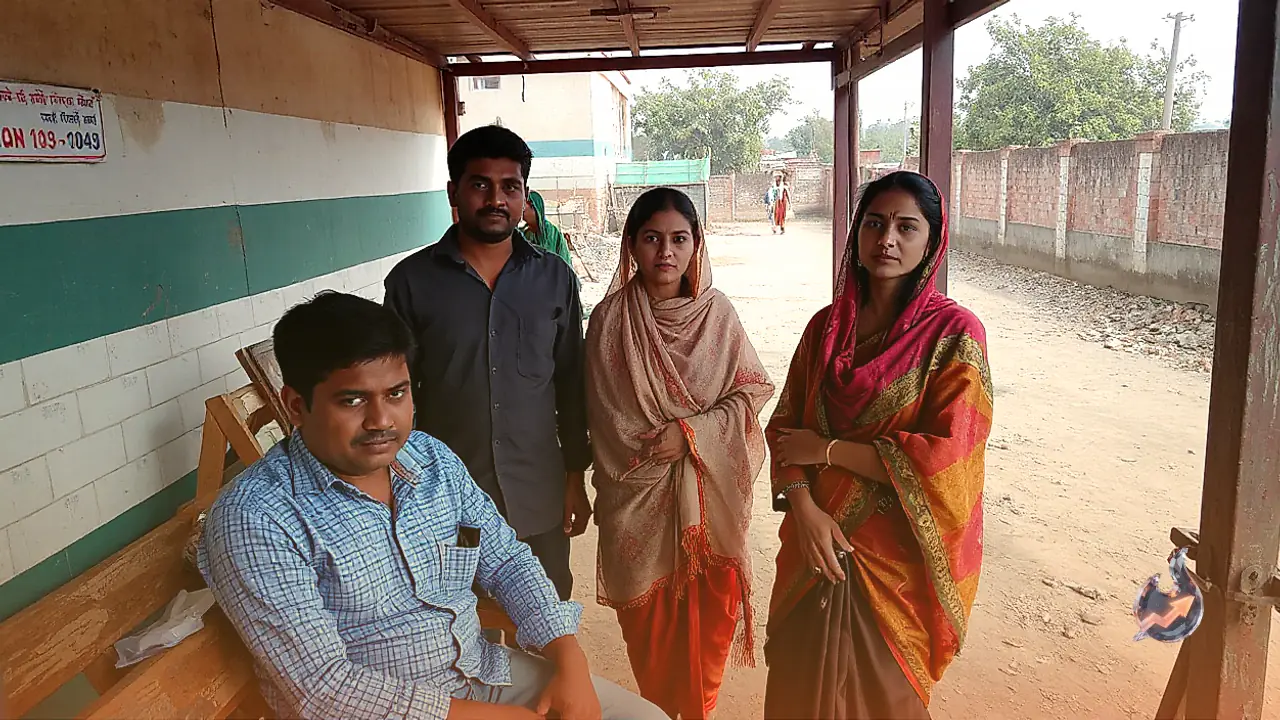
Detailing the workforce, Nirmala Devi from Naurangia Don in Ramnagar block, Kaushalya Devi from Nautanwa village in Ramnagar, and Anita Devi from Harnatand are among the roughly 40 women actively engaged in this enterprise. The sale of these upcycled goods fetches a decent price, helping sustain their households. Regarding pricing, a set of six water hyacinth tea coasters is priced at 90 rupees, while hats and pots are sold at 250 rupees per piece.
Daily output and nationwide appreciation from the top leadership
After harvesting and drying the water hyacinth, the artisans manage to produce about 4 pots, 6 tea coasters, 5 hats, and 5 purses every single day. These finished goods are then shipped and sold across various states. Above all, this remarkable craftsmanship and the conversion of waste into utility by the women of Tharuhat have even earned praise from Prime Minister Narendra Modi, marking a monumental milestone for the local community.