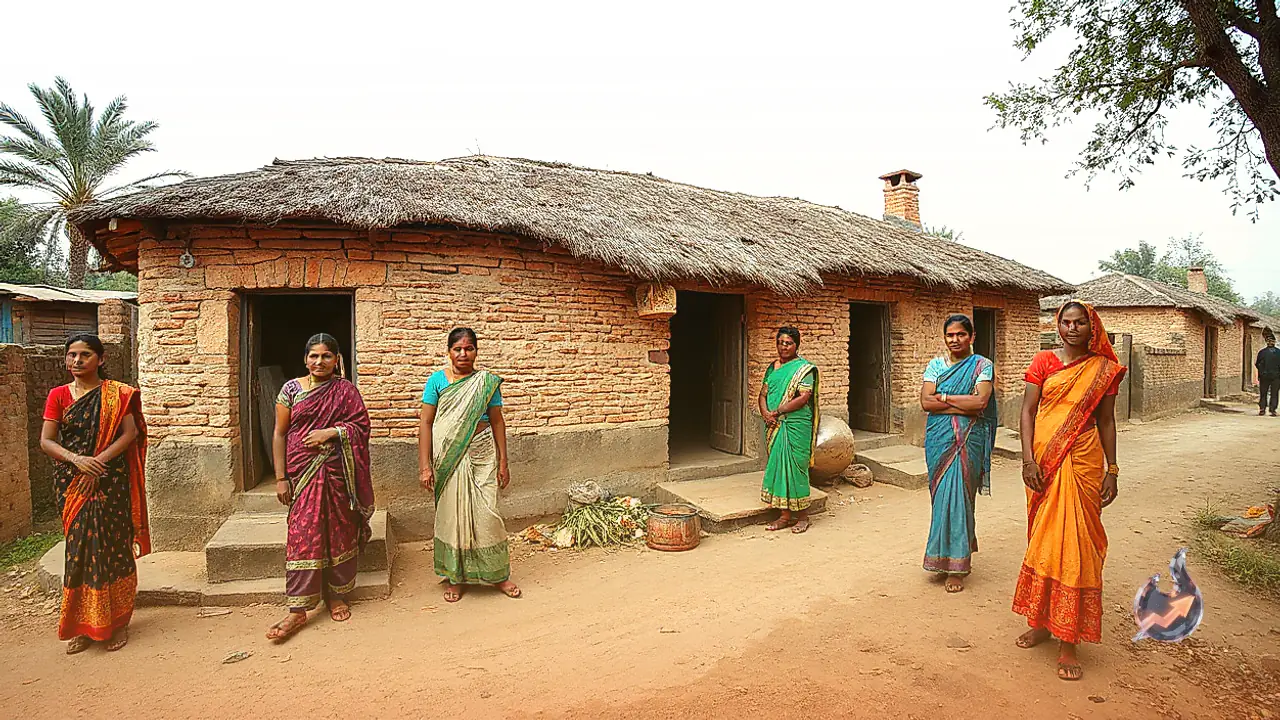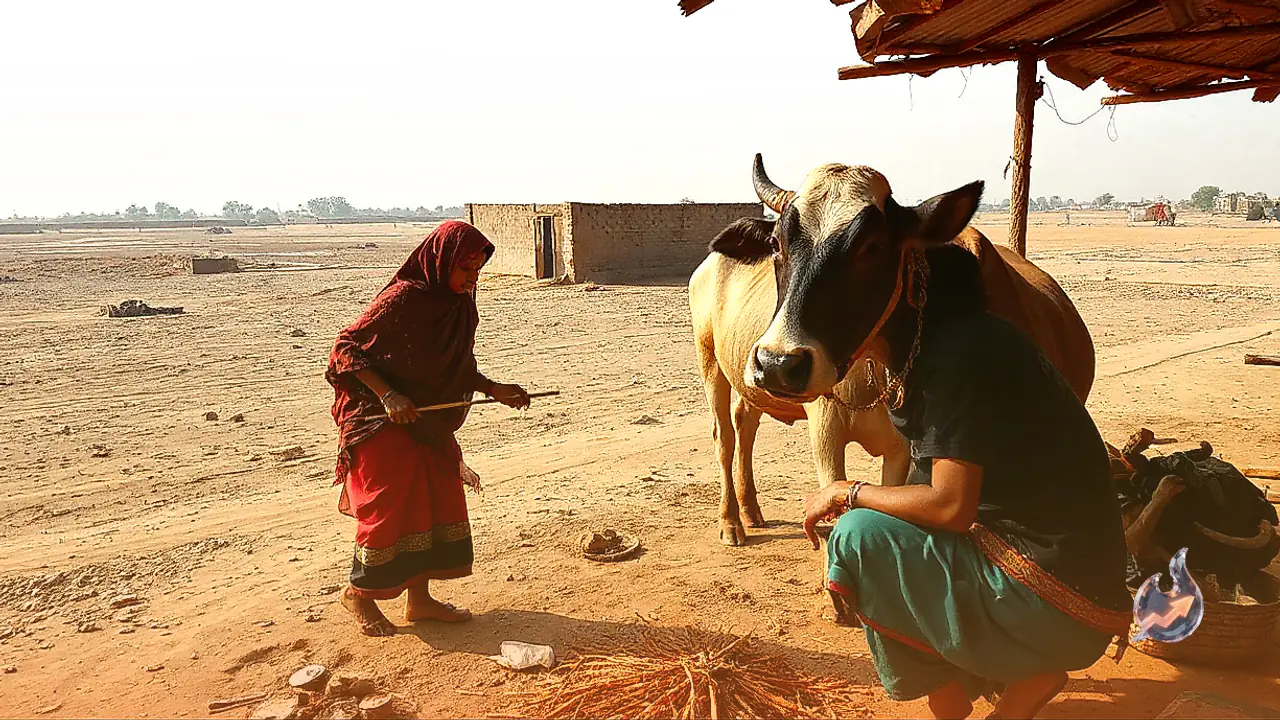

Women in the Amethi district are making significant strides in the employment sector, achieving self-reliance by producing incense sticks and dhoop through self-help groups. Operating under the banner of the Jai Ma Baba Self Help Group, several women prepare traditional dhoop and incense sticks using indigenous methods before packaging and distributing them to local markets.
The Manufacturing Process of Cow Dung Incense
Focusing on the Amethi block, residents Sangeeta Saroj, Kamala Devi, and Seema work alongside about seven other women to drive this manufacturing initiative. The production begins with gathering cow dung, which is thoroughly dried. Once dried, the material is finely ground using a machine. Following purification, liquid scents designed for incense and environmentally balanced ingredients aimed at improving ecological conditions are thoroughly blended into the mixture.
Packaging, Branding, and Daily Profits
After the blending phase, the material is kept in clean containers and shaped into small packets. Subsequent packaging and branding prepare the items for distribution to the market. On a regular day, easily manageable profits of two hundred to three hundred rupees on small packs and five hundred to six hundred rupees on larger packs are generated. During peak seasons, this daily profit climbs up to one thousand rupees. Overall, the women earn between thirty and forty thousand rupees smoothly through the self-help group framework.
Year-Round Demand and Continuous Operation
A notable aspect of this business is its year-round viability. Regardless of whether the season is winter, the monsoons, or summer, the demand for incense and dhoop remains constant in household temples and other venues. This consistent requirement ensures the business never halts, providing a steady stream of benefits to the workers.
Inspiration and Early Challenges
Kamala Devi shares that the inspiration for this venture came from local officials, prompting her to join a self-help group and initiate operations. The work commenced in August 2024, approaching a duration of over two years. While the initial phase of the self-help group involved numerous difficulties and hurdles, the enterprise has now transitioned into a profitable venture.
Eradication of Unemployment and New Identity
Another worker, Seema Saroj, explains that earlier responsibilities were restricted solely to household chores amidst widespread unemployment. Joining the self-help group changed this dynamic, with about ten women currently collaborating in the enterprise. Unemployment has been eradicated, granting them independent employment right at home without needing financial assistance from others. Participants note that the initiative has granted them social recognition, with male family members assisting in transporting the goods to marketplaces, validating the government-backed self-help framework as a highly positive initiative.