






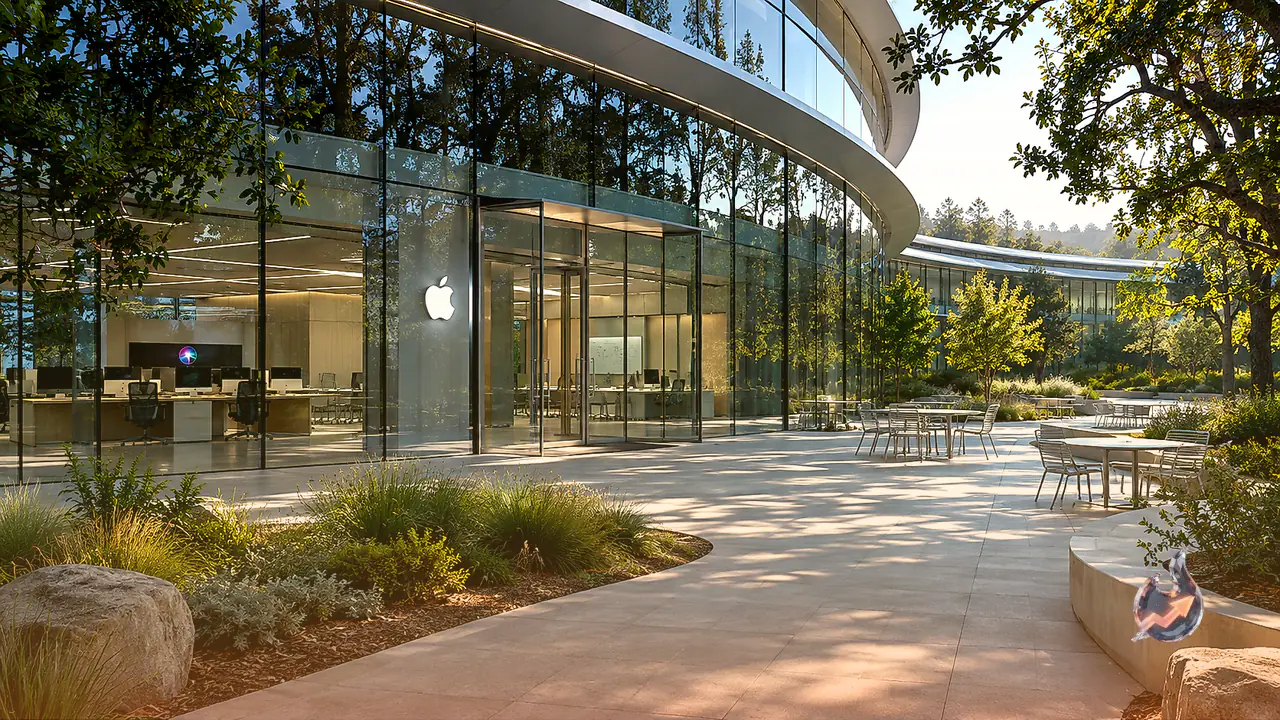
















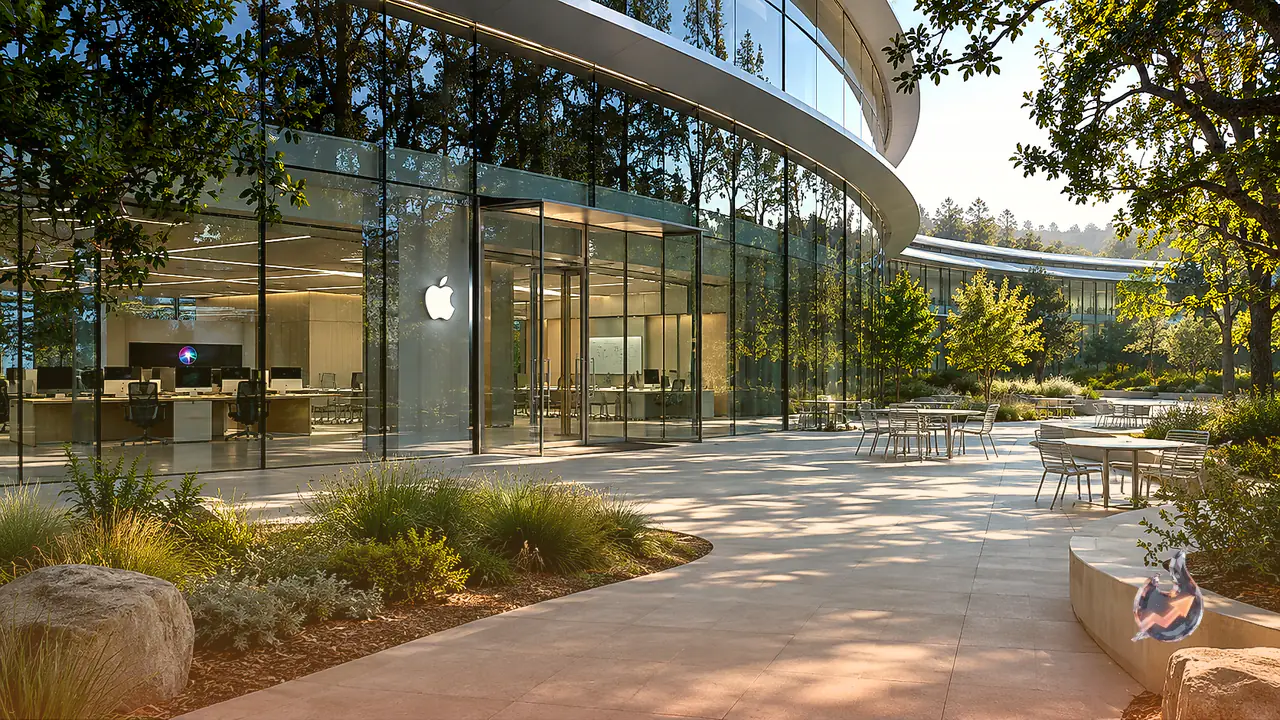

The landscape of digital assistants is evolving rapidly as major technology companies strive to deliver more proactive and intelligent tools. In line with this vision, Apple is reportedly working on a significant upgrade for Siri, aiming to transition the virtual assistant far beyond its current capabilities. While the company introduced various artificial intelligence features following its Worldwide Developers Conference earlier this year, bringing the full promise of an advanced Siri has taken considerable development time.
The Evolution Toward an Autonomous Agent
At present, Siri is capable of handling standard tasks such as drafting emails, setting reminders, and managing calendar entries. However, the overarching goal for the tech giant is to transform the assistant into a true autonomous agent. This means the software will no longer rely solely on direct user prompts or simple commands. Instead, it will be equipped to execute complex actions independently in the background, managing routine workflows and repetitive digital chores on behalf of the user.
Competing With Leading AI Models
Industry reports indicate that these upcoming capabilities are designed to rival advanced offerings from competitors, including OpenAI's Dots, Meta's Muse, and Grok. These modern systems function not just as traditional search or command tools, but as comprehensive digital companions. They are capable of monitoring changes across various platforms, synthesizing important updates from connected applications, and operating proactively to assist users throughout their daily digital routines.
Restructuring Software Development Processes
To facilitate the creation of these advanced features, Apple has adjusted its internal software development methodologies. The engineering pipeline for upcoming operating system updates has been divided into three distinct phases, designated as M1, M2, and M3. Each of these development blocks spans a duration of eight weeks, allowing teams to manage project milestones with greater structure and efficiency.
New Workflow Rules for Engineers
During the initial M1 phase, internal working protocols for engineers were modified to optimize productivity. Developers were instructed to spend the first six weeks focusing on intensive coding, exploring fresh ideas, and building foundational features. The remaining two weeks of the cycle are dedicated to collaborative integration, bringing all components together. Despite these substantial internal changes, Apple has not yet made an official public announcement regarding the exact rollout timeline for these advanced Siri capabilities.