






















Pure desi ghee prepared at home offers a distinct aroma and flavor that stands far apart from store-bought alternatives. Many people mistakenly believe that making ghee at home requires an enormous amount of collected cream. However, that is simply not the case. You can effortlessly prepare quality ghee by collecting small portions of malai daily from your routine milk supply. This process requires no expensive machinery whatsoever. You only need to know the correct way to store the cream and the proper method for churning out the butter.
The Proper Way to Collect Malai
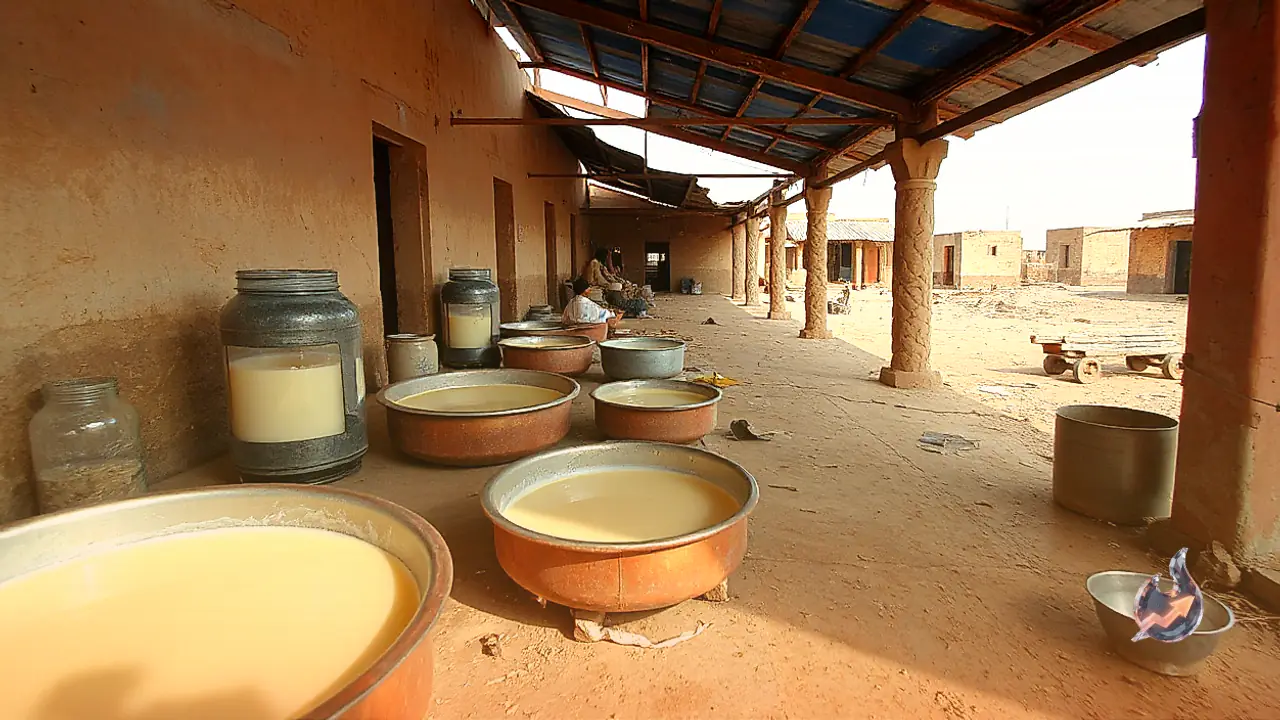
The initial step in making ghee involves gathering the malai. To do this, allow boiled milk to cool down thoroughly every day. Once a thick layer of cream forms on top of the milk, use a spoon to skim it off and place it inside a clean container with a tight lid. Keep this container stored inside the refrigerator. Continue adding daily portions of cream to this container. If you plan on accumulating malai over an extended period spanning many days, storing it in the freezer proves to be a much better option. Always ensure that the spoon used for skimming remains completely clean and dry.
Extracting Butter From Collected Cream
Once you have accumulated a sufficient quantity of malai, take it out of the refrigerator and let it sit at room temperature for a brief while. Next, pour the collected cream into a large vessel. If the cream feels excessively thick, you can mix a little cold water or curd into it. Following this, use a traditional churner or a hand blender to blend the cream thoroughly. After a short while, the butter will naturally separate from the cream, leaving behind a buttermilk-like liquid at the bottom. Now, lift the butter out using your hands or a strainer. Rinse it gently with cold water to wash away any remaining traces of buttermilk.
Cooking on Low Heat to Finalize Ghee
Transfer the extracted butter into a heavy-bottomed kadhai and heat it over a low to medium flame. Initially, the butter will melt completely and begin forming foam. Gradually, the moisture present inside the butter will evaporate into steam. Stir the mixture periodically throughout this stage to prevent the butter from sticking to the bottom of the vessel. After some time, the foam will subside, and solid milk particles will become visible at the bottom. Once the ghee turns a rich golden hue and emits a pleasant fragrance, turn off the heat immediately. Avoid overcooking the mixture, as doing so can burn the ghee and ruin its flavor with a bitter taste.
Storing the Ghee in Glass Jars
Allow the freshly prepared ghee to cool down slightly. Afterward, strain it through a clean, dry muslin cloth or a fine sieve directly into a glass jar. Ensure that the storage jar contains absolutely zero moisture. Secure the lid tightly only after the ghee cools down completely. Always use a clean and dry spoon whenever you scoop out the ghee for consumption. This method allows you to utilize everyday milk cream to make fresh desi ghee at home. However, the final volume of ghee depends directly on the fat content present in the milk. Therefore, do not expect an excessive amount of ghee from very little cream. Proper storage and correct churning techniques simplify the entire process.