
























The impact of social media on the mental well-being of children and teenagers has sparked intense global debate among policymakers. Several nations have begun implementing strict restrictions on minors using these digital platforms, while others actively contemplate similar legislative steps. However, will a blanket ban on social media entirely eliminate problems like anxiety, stress, and depression among youth? Researchers studying digital media and marketing effects suggest the answer is far from straightforward, indicating that prohibitions alone cannot serve as an effective standalone solution.
Legal Pressures and Massive Financial Settlements
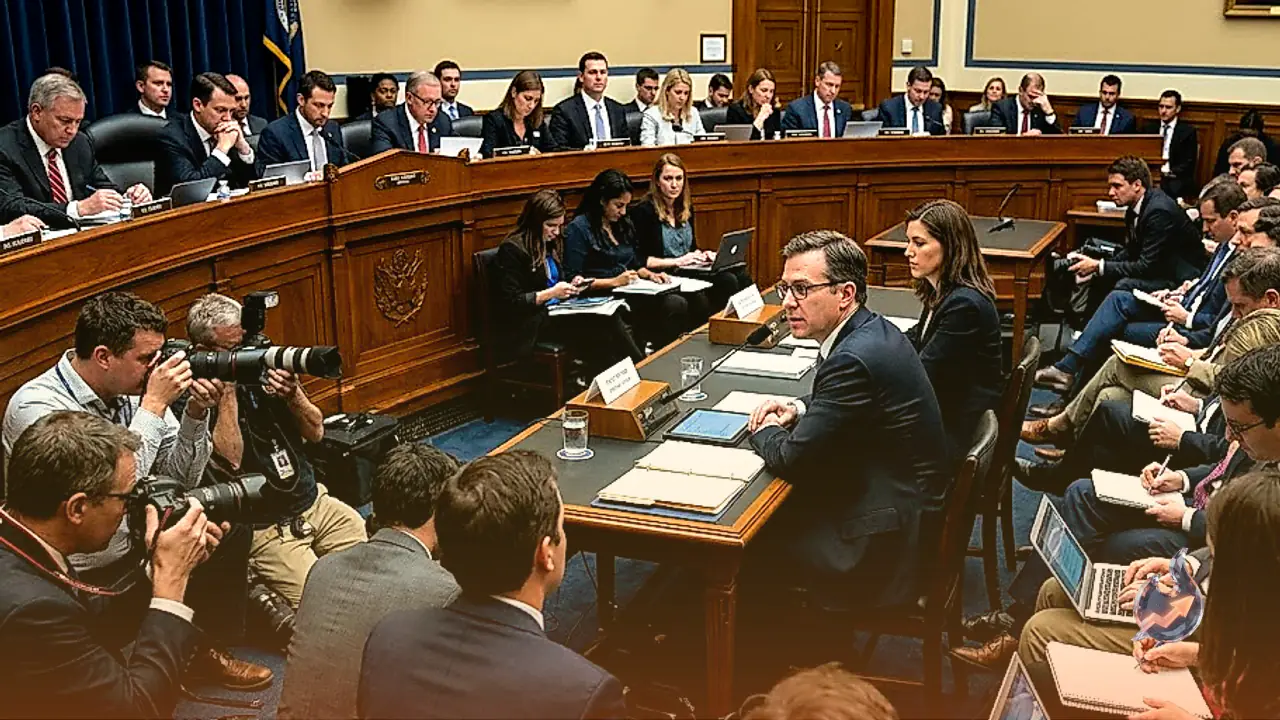
The year 2026 has brought unprecedented legal challenges for social media giants. Since March, major corporations, including YouTube and Meta, the parent company of Instagram and Facebook, have entered into settlement agreements or made substantial payouts across numerous lawsuits. The total value of these legal resolutions exceeds 17 billion dollars. Companies face widespread allegations of intentionally engineering their platforms with design features deliberately crafted to encourage compulsive, repetitive usage among young users. Furthermore, accusations of misleading the public regarding safety and privacy practices indicate that the operations of these tech platforms face intense regulatory scrutiny.
Global Momentum Toward Restricting Minors
Governments worldwide are progressively taking steps to limit minor access to online networks. Australia officially introduced a ban targeting children under 16 years of age in December 2025. Following this precedent, the United Kingdom took legislative steps toward enforcing similar restrictions. Over 20 countries, including Greece, the United Arab Emirates, and Canada, are actively exploring measures to curb social media use among adolescents. Nevertheless, regulatory frameworks vary significantly across borders, featuring differing age thresholds, varying parental consent requirements, and diverse methods for verifying user age across platforms such as Snapchat, YouTube, TikTok, Instagram, Facebook, and X.
Mental Health Statistics and Contributing Factors
Debates surrounding the psychological toll of digital platforms intensified following the 2024 publication of Jonathan Haidt's book The Anxious Generation. The author argues that social media disrupts normal social and cognitive development in youth. Potential harms cited include sleep deprivation, fragmented attention spans, compulsive addiction, feelings of isolation, constant social comparison, and intense pressures to project perfection. According to recent studies, adolescents aged 14 to 20 in 2026 face a likelihood of experiencing mental health conditions that is over 100 percent higher than peers experienced fifty years ago. Globally, estimates from 2021 indicated that 20.5 percent of young people exhibited elevated anxiety symptoms, while 25.2 percent showed heightened depression indicators.
Parallels to Tobacco Settlements and Meta Payouts
Legal actions against social media corporations draw frequent comparisons to historical litigations against the tobacco industry. In 1998, American states reached a landmark settlement with major tobacco firms to offset smoking-related healthcare expenditures, though only a fraction of those funds directly targeted youth smoking prevention. Similarly, in August 2026, Meta agreed to a 17 billion dollar settlement with multiple US states. Portions of this capital are earmarked for strengthening mental health infrastructure, community school programs, and public health awareness campaigns. Yet critics point out a lack of clear oversight to ensure funds genuinely improve youth psychological support services.
Circumvention Methods and Verification Flaws
Initial experiences in regions enforcing restrictions reveal that implementation remains exceptionally difficult. Available preliminary data indicates that roughly 61 percent of children aged 12 to 15 in Australia continue accessing social media platforms despite active prohibitions. Minors routinely bypass rules by creating fake identities, altering images, or utilizing virtual private networks. In response to such workarounds, British lawmakers have discussed proposals restricting consumer VPN usage. Age verification technologies face similar vulnerabilities, with teenagers successfully deceiving facial recognition systems through photo editing software, celebrity pictures, or verified adult family accounts, raising separate privacy concerns.
The Path Forward for Safer Digital Environments
Researchers emphasize that relying solely on bans is unlikely to resolve the youth mental health crisis effectively. Policymakers should instead mandate robust safety standards from the ground up, an approach known as safety by default. This ensures that children's accounts feature maximum privacy settings automatically enabled, hiding profiles from strangers without manual adjustments. Curbing addictive design features and algorithmic loops is equally vital, alongside promoting digital literacy and open communication within families. Ultimately, combining targeted safeguards, accessible mental health resources, and youth engagement creates a far more resilient strategy than simple prohibition.