























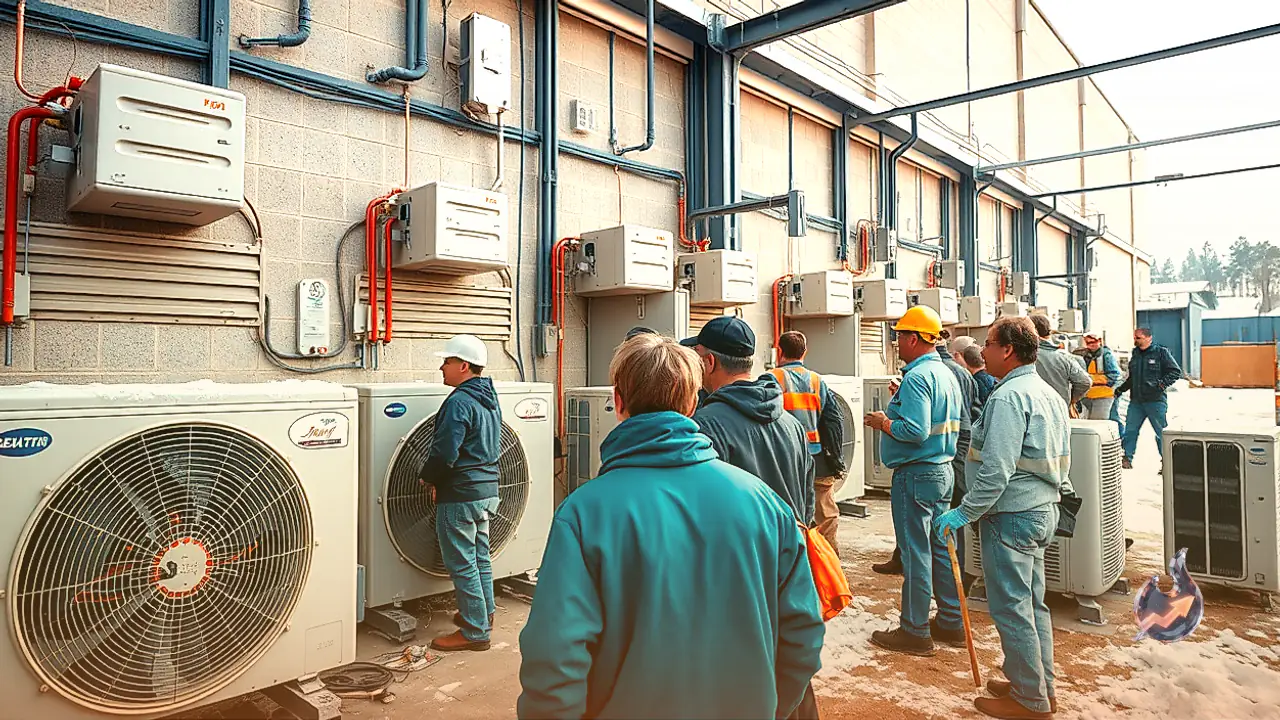

As temperatures drop, households across the country turn off their air conditioning systems, often without giving them a second thought until the heat returns. Simply powering down the machine and leaving it unattended for months can lead to serious mechanical and hygiene issues. Stagnant units frequently develop foul odours, struggle to cool rooms effectively, consume significantly more electricity, or suffer sudden component failures when restarted. Taking a few systematic maintenance measures before the cold season sets in preserves system integrity and prevents expensive repairs later on.
Deep Cleaning of Filters and Evaporator Coils
Throughout intense summer usage, airborne dust, grime, and microscopic particles accumulate inside the indoor filters and across the heat exchange coils. If the appliance is left uncleaned, the winter humidity trapped within the casing creates an ideal breeding ground for fungus and foul-smelling mildew. Consequently, when the machine is powered on months later, it circulates stale, unhealthy air and suffers from restricted airflow that cripples overall cooling efficiency.
Before touching any internal components, disconnect the main power plug from the electrical outlet to avoid safety hazards. Open the front panel of the indoor unit, slide out the mesh filters, and gently wash them using lukewarm water mixed with mild soap. Allow the filters to dry completely under indirect sunlight before reinstalling them, as moist filters accelerate fungal growth. To clear the fine dirt trapped between delicate coil fins, use a soft handheld brush or a low-suction vacuum. Similarly, inspect the outdoor condensing unit to clear away trapped dry leaves, debris, and dust deposits that could obstruct ventilation.
Running Dry Mode to Eliminate Internal Moisture
Standing water trapped within the internal chassis is one of the most destructive threats to any cooling appliance. Retained dampness causes structural rust on metallic frames, deteriorates delicate wiring, and fosters stagnant water bacteria. To purge internal moisture effectively, operate the appliance in dry mode continuously for 2 to 3 hours before turning it off for the season. This controlled run circulates air to thoroughly evaporate condensation settled on internal components.
Homeowners should also inspect the drainage pipe and drip tray to ensure all residual water flows out freely. If dirt has caused a partial blockage inside the drain line, clear it immediately to ensure complete drainage. Powering down the unit only after confirming the internal cavity is entirely dry prevents bacterial decay and eliminates the musty smell that typically plagues units after long winter breaks.
Disconnecting Power, Proper Covering, and Remote Care
Once cleaning and drying are complete, isolate the equipment from the electrical grid entirely. Switch off the dedicated circuit breaker or MCB and pull out the power cord from the wall. This protects sensitive electronic inverter circuit boards from unforeseen power surges, fluctuations, or short circuits during winter weather.
For the outdoor condenser unit, protect the body using a breathable canvas or dedicated fabric cover designed specifically for outdoor machinery. Avoid wrapping the condenser in standard plastic sheets, as non-porous plastic seals in ambient humidity and causes accelerated corrosion on metal brackets. Finally, slide open the handheld remote control and remove the batteries. Batteries left inside disused electronic devices over long intervals can leak corrosive acid, destroying battery terminals and permanently ruining the remote.