























If you've been putting off a new iPhone, Mac, or pair of AirPods, the math on waiting just changed. Apple, the rare tech giant that held the line on prices through a brutal year, is now preparing to charge you more. The signal came straight from outgoing CEO Tim Cook, and it lands at a moment when almost every other gadget maker has already pushed its prices up.
A year that rewrote the rules on tech pricing
The last twelve months have been unusually rough for hardware costs. A mix of President Trump's tariffs, global instability, and record demand for RAM has dragged prices in a direction shoppers aren't used to. Laptop makers like Acer and Dell raised prices, and so did gaming companies like Sony and Nintendo.
It flips a habit buyers have relied on for decades. Tech used to get cheaper the longer you waited. Now the opposite is true: if you didn't grab a Switch or a PlayStation at launch, you'll pay more for the same console today.
How Apple dodged the hikes, until now
Through all of this, Apple mostly refused to pass higher costs to customers. It did lean on a few quiet tactics. By scrapping some of its cheaper device tiers, the starting price for products like the Mac mini and MacBook Air technically went up, even though Apple never actually raised a price tag. Over the past year its device prices stayed flat, and it even launched fresh budget options such as the MacBook Neo, which delivers a full Mac experience for the price of an iPhone 16. Being a $4 trillion company apparently has its perks.
What Tim Cook actually said
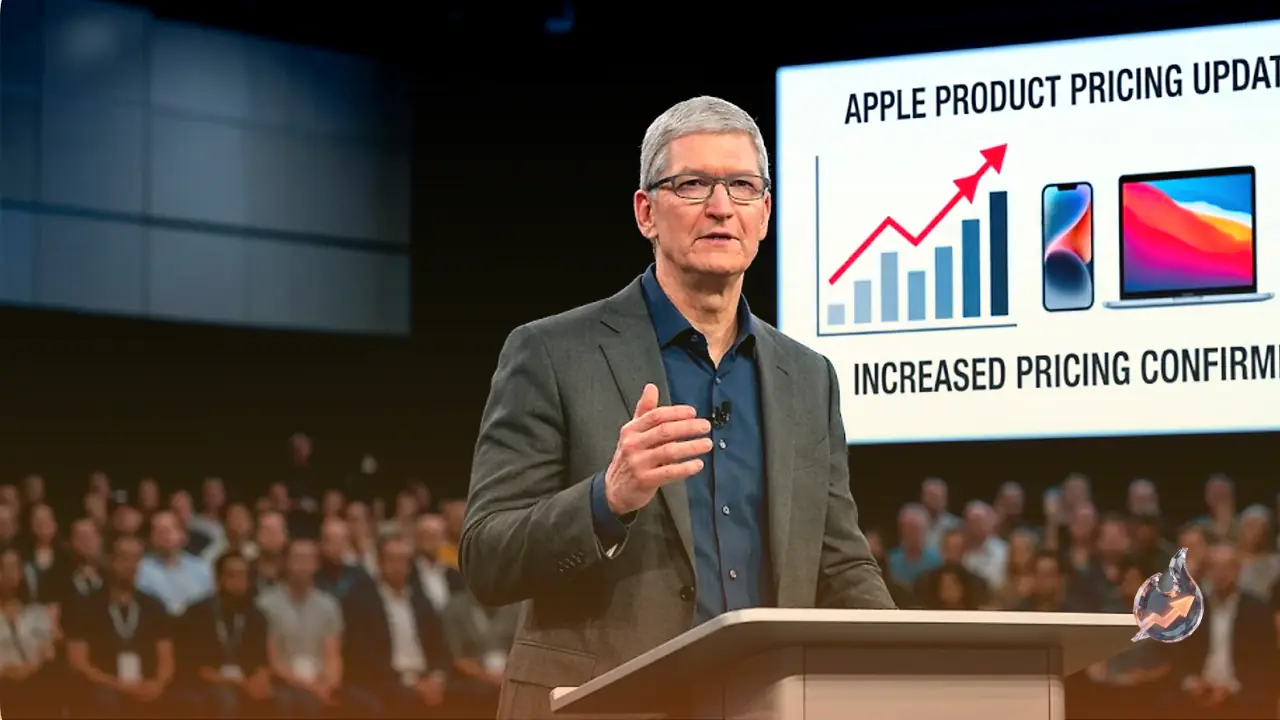
That run of stability is ending. On Wednesday night, Tim Cook confirmed the shift directly. "Unfortunately, price increases are unavoidable," he said. "We're doing our best to mitigate the huge increases that are being passed to us, and we've been trying to shield our customers from the increases, but the situation has become unsustainable." In plain terms, Apple products are about to cost more.
Cook pointed to shortages of both RAM and storage chips as the main culprits. "There's less supply at a time when consumers want devices and the memory guys are passing along huge price increases," he said. He added an unsettling note about the scale of it: "I've never seen anything like it in any area in over 40 years."
Beyond those quotes, hard details are thin. There's no word yet on which products will get more expensive, or exactly when. To hold on to its current profits and absorb the hit from pricier RAM and CPUs, Apple will likely need to raise prices substantially. The practical takeaway is blunt: open Apple's online store, look at the MSRPs, and assume they will probably never be lower than they are right now.
Should you buy now to beat the increase?
Timing a tech purchase is a lot like timing the stock market. You can make your best bet and hope you caught the low, only for a huge sale to show up the next day and make your deal look weak. Wait instead, and prices might just keep creeping up. There are no guarantees left.
Still, a few educated guesses are possible. Cook is a calculated operator, and even as he prepares to hand the reins to John Ternus, he wants Apple's valuation to keep climbing. The likeliest scenario is that the hikes aren't immediate. They'll probably arrive with Apple's next hardware cycle, which the company is all but certain to unveil in the fall. That could mean the iPhone 18 costs more than the iPhone 17, or the Apple Watch Series 12 costs more than the Series 11. The "iPhone Fold" has no predecessor to measure against, but it may also end up pricier than Apple first intended. If that's the plan, neither Wall Street nor the rest of us will be shocked when the new lineup carries bigger numbers.
The smart play for buyers
If you're determined to buy a new Apple device the moment it's announced, brace for a higher bill. But if your real goal is the best possible price, the better move is to buy sooner rather than later. A jump before the fall looks unlikely, yet Apple could choose to push hikes through well before then. So pick the device you actually want instead of fixating on hitting one specific price. Lean on price comparison tools to scout the deals, and if something is sitting at a relatively low price, grab it now.
The old assumption that last year's model gets cheaper once the new one lands no longer holds. If the iPhone 18 launches $200 above the iPhone 17, there's no longer the usual pressure to discount the older phone.
Why the timing works in your favor
There's a silver lining on the calendar. Next week is Amazon's Prime Day, which has stretched out enough that it might as well be called Prime Week, and early Apple deals are already worth a look. A strong discount on the AirPods Pro 3 has already come and gone at Amazon, though you can still find them $70 off at Best Buy. Solid deals on the AirPods 4 are still around too, in both the standard and active noise cancellation versions.
It's worth watching next week for discounts across Apple's range, including Macs, iPads, and AirPods. Nothing is promised on exactly what gets marked down, but two things are certain: Amazon is running a sale, and Apple intends to raise prices at some point. Right now, more than usual, when you buy matters as much as what you buy.