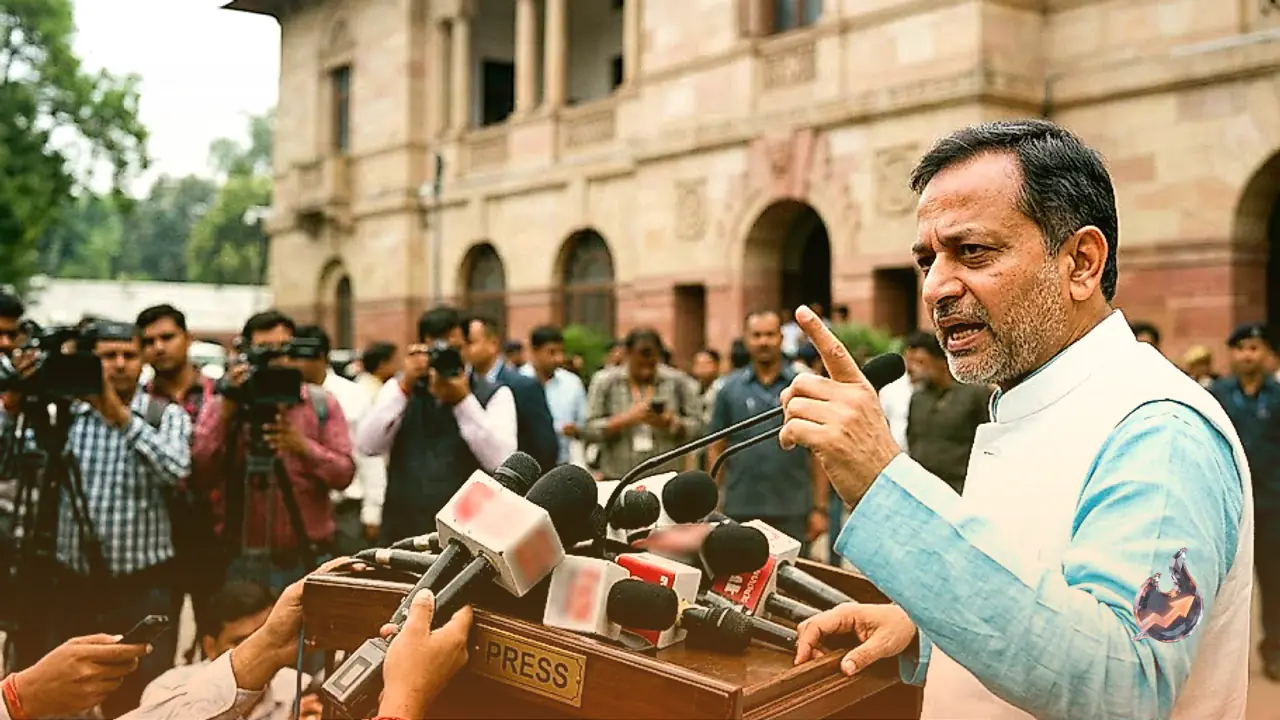




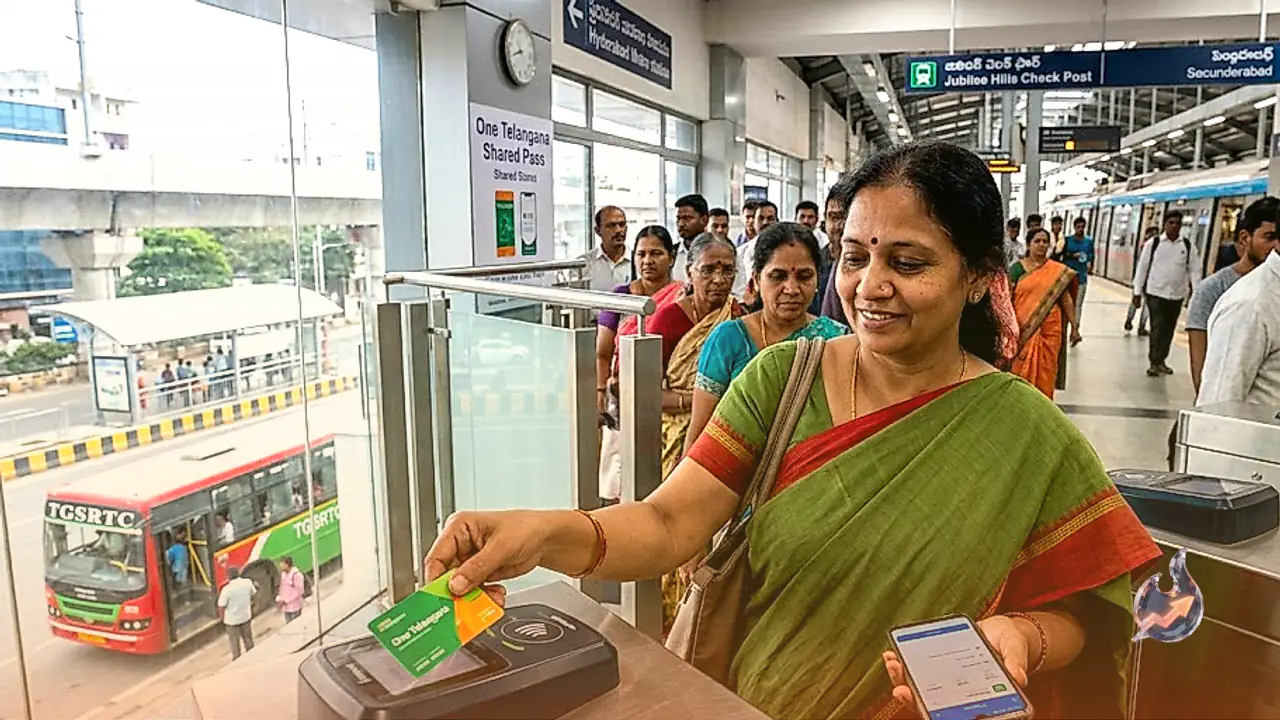














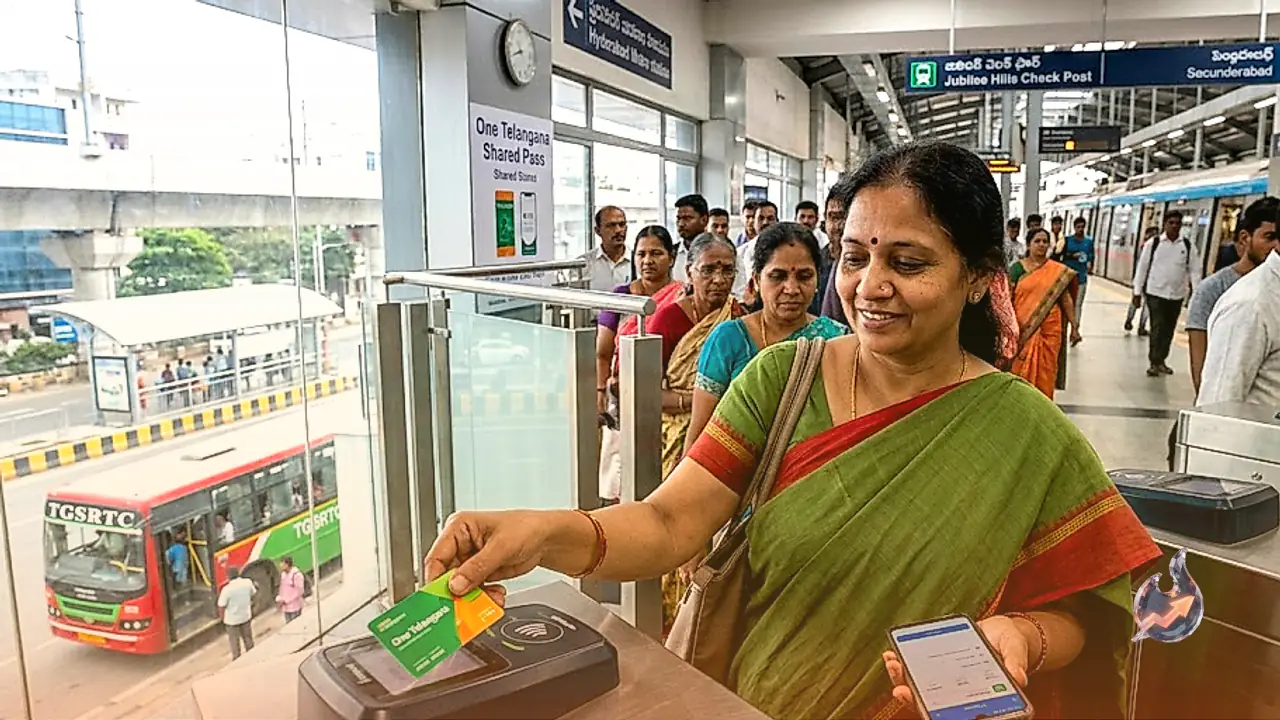

In an effort to eliminate fragmented urban travel and simplify daily transfers, the Telangana government has introduced an integrated transit mechanism connecting suburban roads with rapid rail corridors. The initiative allows residents to navigate both the metro rail network and state-run city buses using a single unified permit, sparing thousands from standing in successive ticketing queues. The formal rollout took place at Praja Bhavan, presided over by Deputy Chief Minister Mallu Bhatti Vikramark along with Transport Minister Ponnam Prabhakar and senior transit executives. Authorities intend for this multimodal bridge to curb vehicular congestion and lessen emissions across metropolitan thoroughfares.
Tiered Common Pass Framework and Pricing
Jointly formulated by the state administration, TGSRTC, and Hyderabad Metro Rail Limited, the interoperable framework offers both daily and monthly subscription alternatives tailored to varying transit patterns. Commuters moving across town for short-term tasks can secure a single-day pass priced at 400 rupees. Within this aggregate amount, 300 rupees covers unlimited rail movements while 100 rupees handles surface bus commutes.
For regular office-goers and frequent travelers, a comprehensive monthly arrangement is available at 8,500 rupees. This package divides expenditures by allocating 7,000 rupees to metro operations and 1,500 rupees to the road transport corporation. The smart cards are purchasable at booking counters across all rail terminals. When picking up a pass for the first time, individuals must provide a refundable security deposit of 100 rupees, which is fully returned whenever the physical card is surrendered.
Geographic Jurisdiction and Service Inclusions
Officials have delineated the functional boundaries of this shared arrangement, making it valid on all standard suburban buses and rapid transit trains operating inside the Outer Ring Road perimeter. The lone exception to this network-wide integration is the premium Pushpak air-conditioned airport shuttle route, which remains on a separate fare structure. Apart from this specialized corridor, riders are free to interchange between road and rail lines without friction.
Paperless Ticketing via Dedicated Mobile Platform
To eliminate manual ticketing friction and overcome recurring shortages of small currency denominations, transit authorities simultaneously rolled out the ‘Mi Ticket’ mobile app. Through this digital utility, passengers can select boarding locations and scheduled destinations directly from handheld screens. Upon completing the digital transaction, the system generates an active dynamic QR credential that can be presented to bus conductors for electronic scanning, doing away with manual cash collections.
Digital Weekly Commuter Pass
Complementing individual journey booking, transport managers also introduced an exclusive 600-rupee weekly transit pass accessible entirely through the app interface. This virtual pass bypasses conventional physical slips, instantly populating a dynamic code within the smartphone screen. Cardholders gain unrestricted access to eligible urban buses across a consecutive seven-day window. Once the active period elapses, subscribers can process renewals instantly inside the application.
Leadership Demonstration to Build Public Confidence
Seeking to encourage commuter migration to shared transit, cabinet leaders scheduled a joint demonstration ride across both interconnected systems. The Deputy Chief Minister procured daily passes for his colleagues ahead of the exercise. Transport Minister Ponnam Prabhakar said, “Tomorrow morning at 10 AM, we will start our journey from Begumpet metro station with the common pass and then complete the onward journey by RTC bus.”
Auto Rickshaw Fare Restructuring After Ten Years
Coinciding with the multimodal integration, regulators updated metered three-wheeler tariffs, marking the first rate revision since 2014. Under the revised schedule, the initial minimum flag-down rate is established at 30 rupees for the opening 1.6 kilometers. Beyond that threshold, every successive kilometer incurs a 14-rupee charge. Ancillary metrics include a waiting fee of 75 paise per minute and luggage handling charges set at 50 paise. For journeys undertaken during night hours spanning 11 PM to 5 AM, drivers are authorized to collect 1.5 times the standard fare structure.