


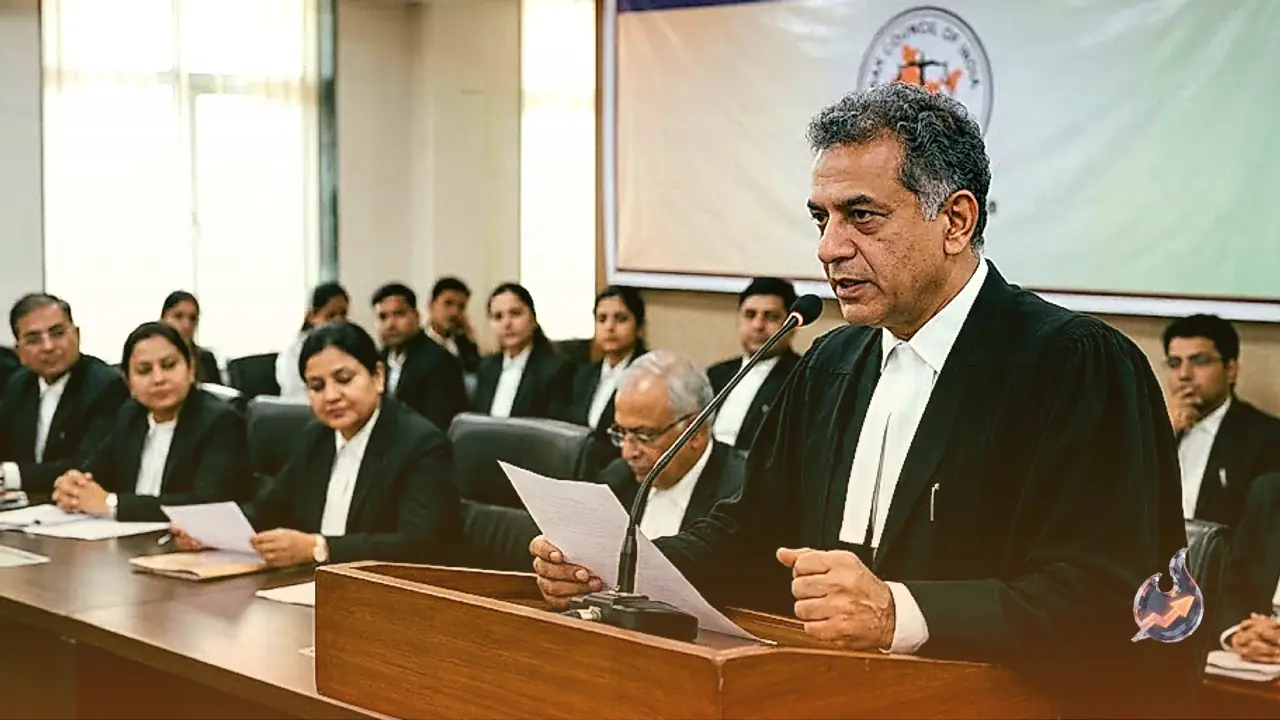
















Law graduates from the 2026 batch of the National Academy of Legal Studies and Research (NALSAR) University of Law in Hyderabad have received major relief after the Bar Council of India (BCI) officially rescinded its earlier directive halting their professional advocate enrollment across state bar councils. Following instructions issued under BCI Chairman Manan Kumar Mishra, the regulatory body decided to drop all proposed disciplinary actions against the graduating class. The council clarified that after reviewing the facts, it became evident that the vast majority of students had no intention of participating in any campaign aimed at disrupting the university's annual convocation ceremony where Chief Justice of India (CJI) Surya Kant was designated as chief guest.
BCI Review and Official Guidance for Law Graduates
The decision to restore enrollment eligibility followed extensive feedback gathered from senior advocates, bar council members, law students, and the general public. Upon examining the campus developments, the BCI concluded that the graduating 2026 batch had no direct role in organizing any disturbance, agitation, or institutional breakdown. The regulatory council conveyed its best wishes to the law graduates for their future professional endeavors, reminding them that once enrolled, advocates serve as essential officers within the nation's administration of justice.
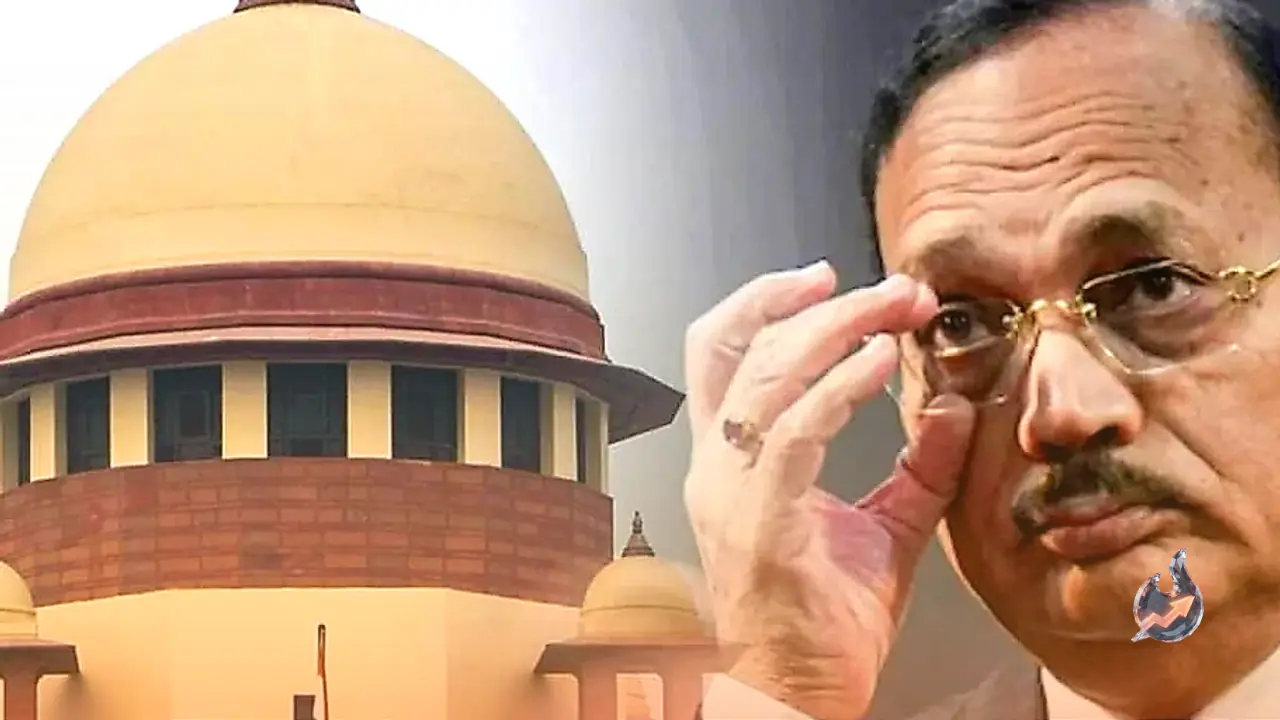
While recognizing the democratic right of students to hold independent views, the BCI highlighted the imperative of preserving institutional respect. The council noted that the Supreme Court of India and the office of the Chief Justice represent foundational constitutional pillars of national pride. Expressing disagreement with judicial rulings or public measures is a normal feature of democratic discourse; however, subjecting constitutional authorities to public mockery risks exacerbating conflicts rather than resolving them constructively. In light of these considerations, the BCI confirmed that no further restrictive proceedings would be pursued against the 2026 NALSAR graduating batch.
Roots of the Convocation Chief Guest Dispute
The controversy originally originated when approximately 70 students from NALSAR's 2026 graduating class authored a formal representation addressed to the university Vice Chancellor, Registrar, faculty members, and administrative officers. The letter requested the administration to reconsider its decision to invite CJI Surya Kant as the main speaker for the 2026 convocation. Although NALSAR maintains an established tradition of hosting the sitting Chief Justice of India for its convocation addresses, the protesting students maintained that constitutional accountability and academic independence must be upheld, arguing that hosting the CJI under prevailing circumstances diverged from those principles.
Student objections focused primarily on nationwide developments regarding the NEET examination controversy alongside police actions connected to recent public demonstrations organized by the Cockroach Janata Party (CJP) at Jantar Mantar. What began as a letter signed by 70 students quickly gathered broader campus support. By late July, around 380 to 450 students across subsequent academic batches spanning 2027 through 2031 had added their signatures to the representation.
Judicial Proceedings and Final Resolution
The student representation was also influenced by judicial remarks made during Supreme Court proceedings. Specifically, while hearing a petition filed against police action on student demonstrators during the CJP march, CJI Surya Kant observed to the petitioners, "Don't waste our time." This courtroom exchange became a focal point of discussion among legal academia and student bodies regarding judicial oversight and public accountability.
With the BCI's updated decision, all administrative restrictions obstructing the professional registration of NALSAR 2026 law graduates have been removed. The graduating students are now permitted to enroll with their respective state bar councils to commence legal practice without delay. Following communications shared by BCI Chairman Manan Kumar Mishra on his official X account, the administrative deadlock surrounding the university's graduating class stands resolved.