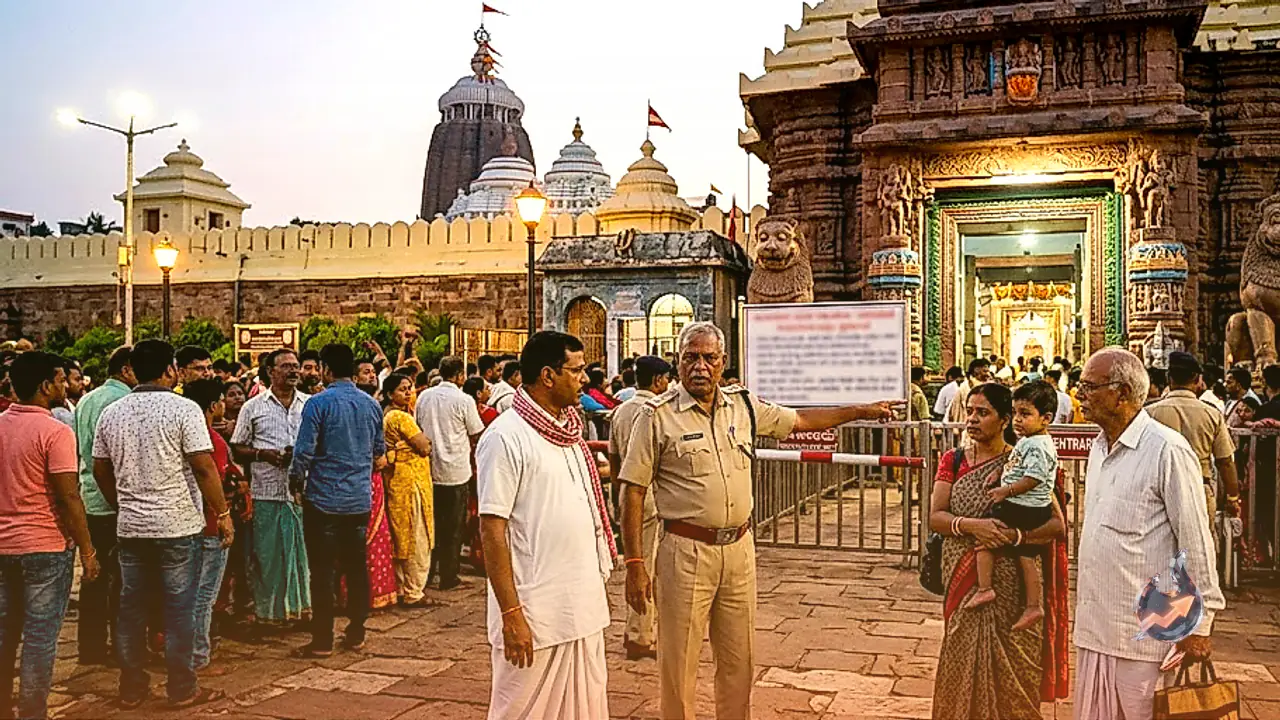





















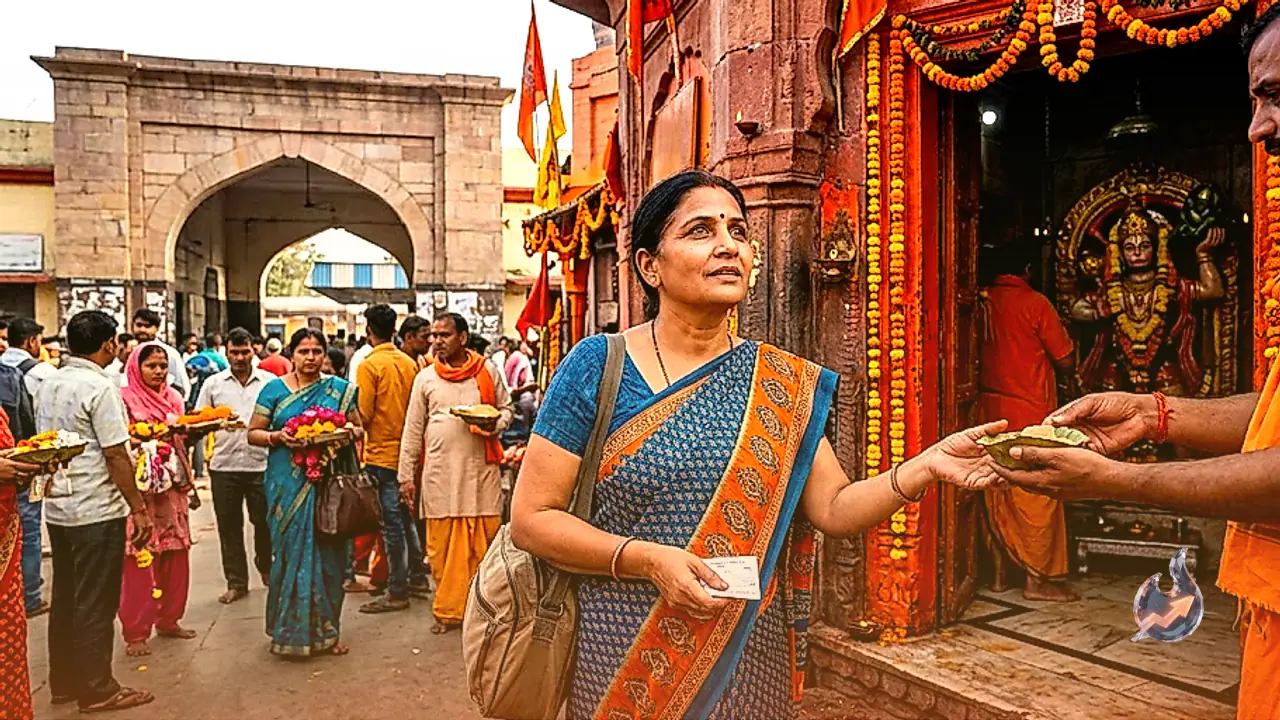

Stepping out of the train station in the historic city of Ambala, travelers are immediately greeted by an overwhelming atmosphere of devotion and heritage. Positioned directly outside the gates of Ambala City Railway Station, the Shri Hanuman Temple has stood as a monumental pillar of public faith for more than two hundred years. One of the most distinctive aspects of this sacred shrine is that passengers disembarking from trains routinely make it a point to bow their heads before Lord Hanuman prior to continuing their journeys. Beyond the commuting public, the temple draws a steady stream of local residents as well as pilgrims traveling from neighboring regions like Punjab and Himachal Pradesh.
A Two-Century-Old Center of Faith Outside Ambala Railway Station
Located right near the primary exit of the Ambala City Railway Station, this ancient shrine preserves more than two centuries of rich spiritual tradition. For generations, believers have held the firm conviction that any devotee who presents a prayer with genuine sincerity at this altar sees their wishes fulfilled. This unwavering trust has bound families to the shrine across decades. Upon the fulfillment of their solemn vows, many worshippers organize grand community feasts known as bhandaras, serving meals to saints, visitors, and the needy to express their gratitude to Lord Hanuman.
The Tradition of Offering Chola and the Unique Blessing of Cloves and Cardamom
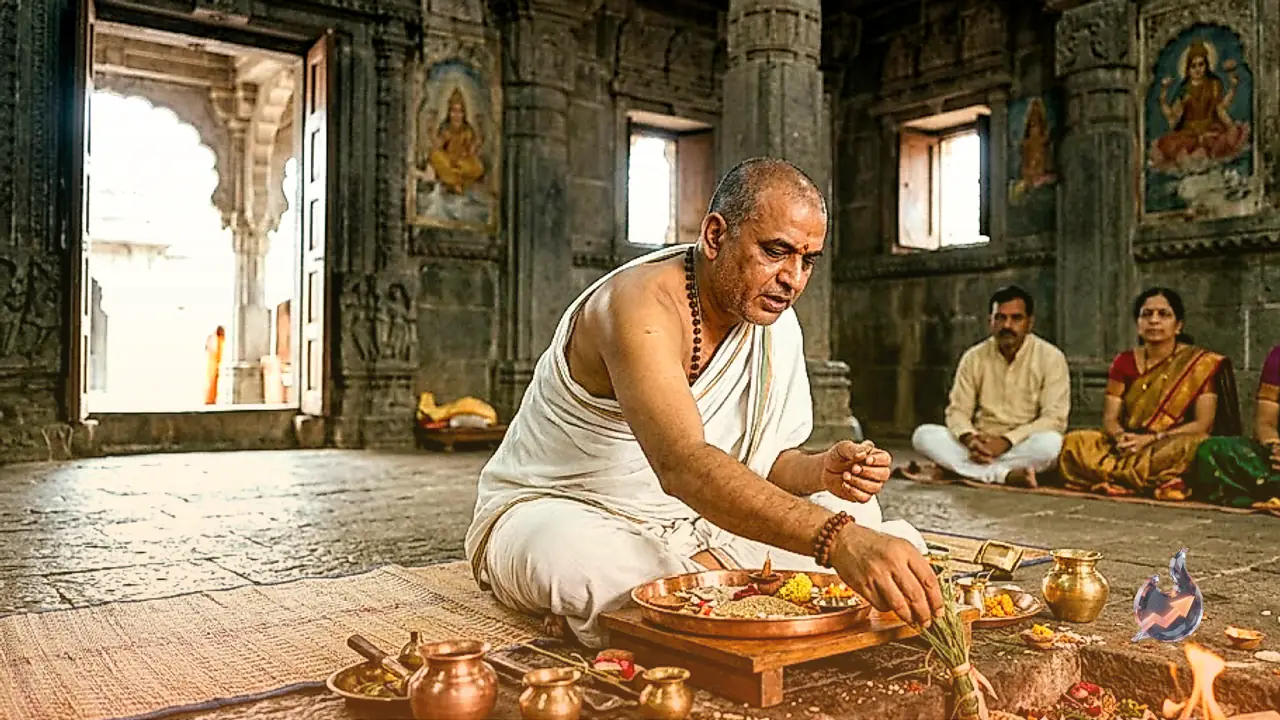
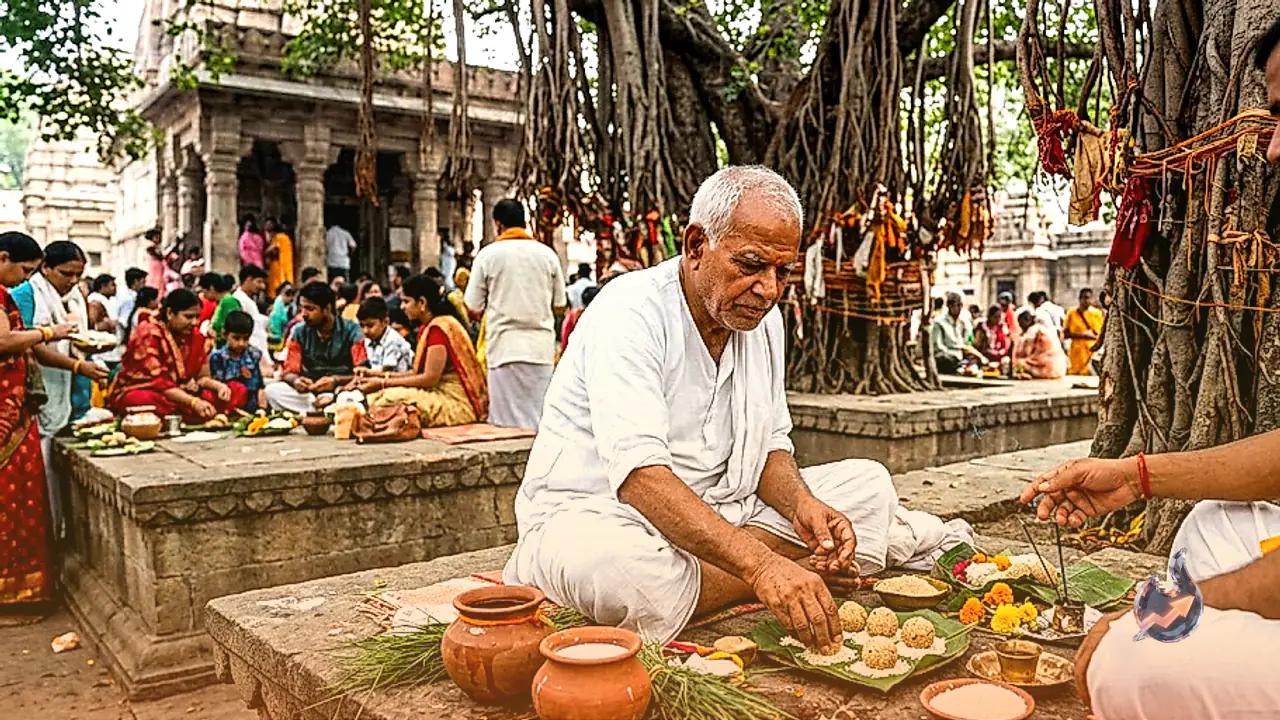
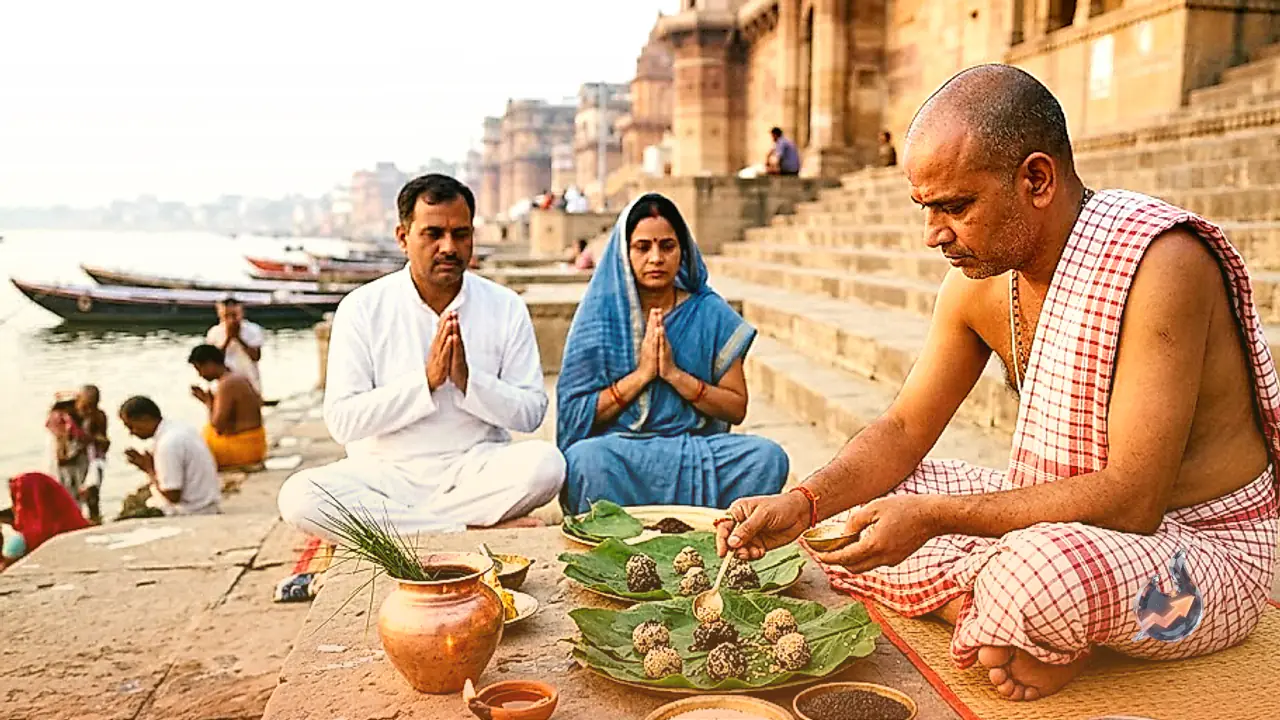
The daily religious observances at the temple feature several unique rituals rooted in antiquity. Devotees routinely offer a sacred vermilion cloth or paste, known as Chola, to Lord Hanuman as a gesture of deep reverence. Alongside this offering, traditional items such as jaggery mixed with roasted gram and sweet boondi are presented as holy food offerings. A particularly distinct custom involves offering cloves and cardamom during the rituals. According to temple caretakers and local organizers, the cloves and cardamom offered at the deity's feet are sanctified through prayers and then handed back to worshippers as blessed prasad to take home for health and prosperity.
Ramayana Murals and Ancient Artwork Adorning the Temple Walls
Reflecting on the antiquity and historical architecture of the site, temple caretaker Padam Khanna notes that the sanctuary dates back well over two hundred years. He explains that countless passengers passing through the Ambala station choose to begin their local journeys only after seeking blessings at the shrine. The internal structure and artistic embellishments of the temple bear clear witness to its historical origins. Sacred artwork portraying prominent episodes from the ancient epic Ramayana adorns the inner walls. Furthermore, inscriptions of the holy name 'Shri Ram' across the masonry create a deeply serene environment for every visiting devotee.
Special Tuesday and Saturday Congregations and Grand Hanuman Janmotsav Celebrations
While the temple experiences a steady flow of worshippers throughout the week, the atmosphere grows exceptionally vibrant on Tuesdays and Saturdays. On these two holy days, long queues of devotees form starting from early morning. Caretaker Padam Khanna shares that due to the massive influx of visitors on these days, queues frequently extend late into the evening, sometimes lasting until 10 PM. Devotees wait patiently in line while reciting prayers and offering Chola, sweet boondi, and jaggery-gram to the deity.
During the annual celebration of Hanuman Janmotsav, the entire temple complex transforms into a grand festive spectacle. The precinct is adorned with vibrant saffron flags, while devotional hymns and enthusiastic chants of 'Jai Shri Ram' echo throughout the surrounding neighborhood. On this special occasion, worshippers collect sanctified saffron flags from the temple premises to proudly display atop their own homes.
Preserving Historical and Cultural Identity in a Fast-Paced Modern Era
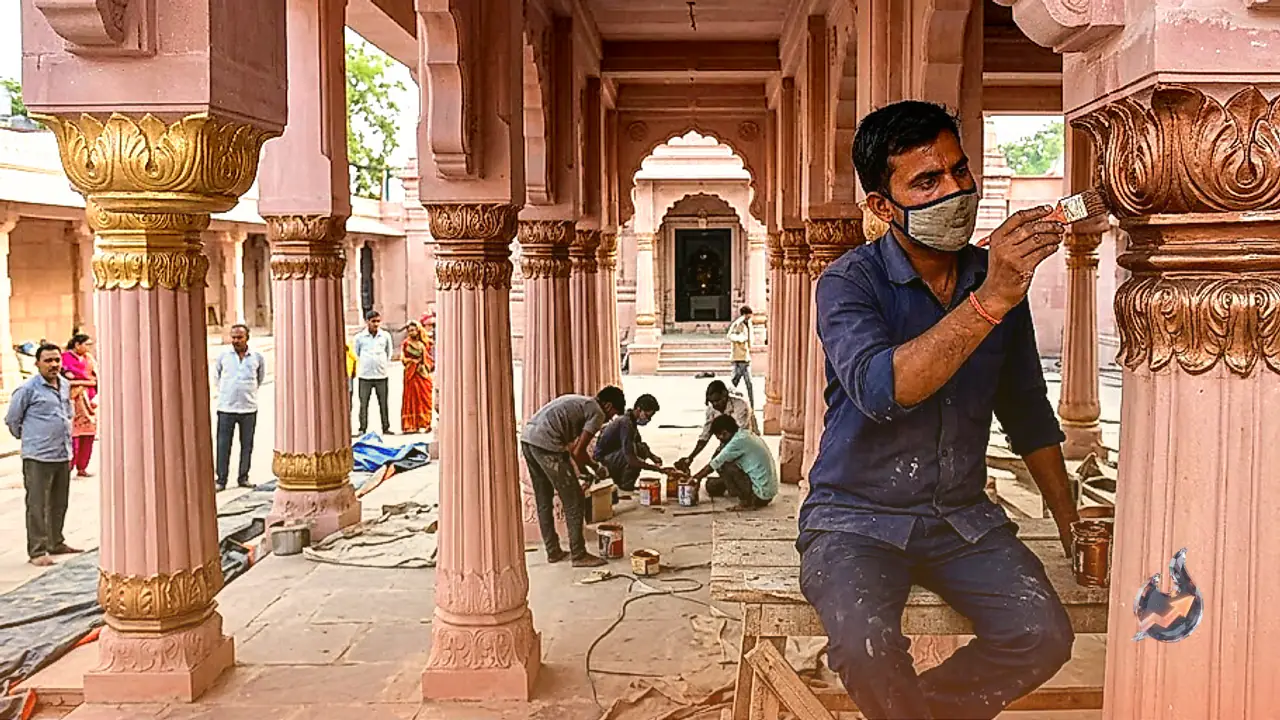
Even as Ambala continues to modernize with high-rise structures, busy thoroughfares, and a fast-paced lifestyle, the spiritual sanctity of this station-side Hanuman temple remains completely intact. It stands not merely as a place of worship, but as an irreplaceable element of Ambala's cultural and historical legacy. Pausing for a few moments outside the station to seek divine blessings before moving forward remains a living tradition that continues unbroken to this day.