
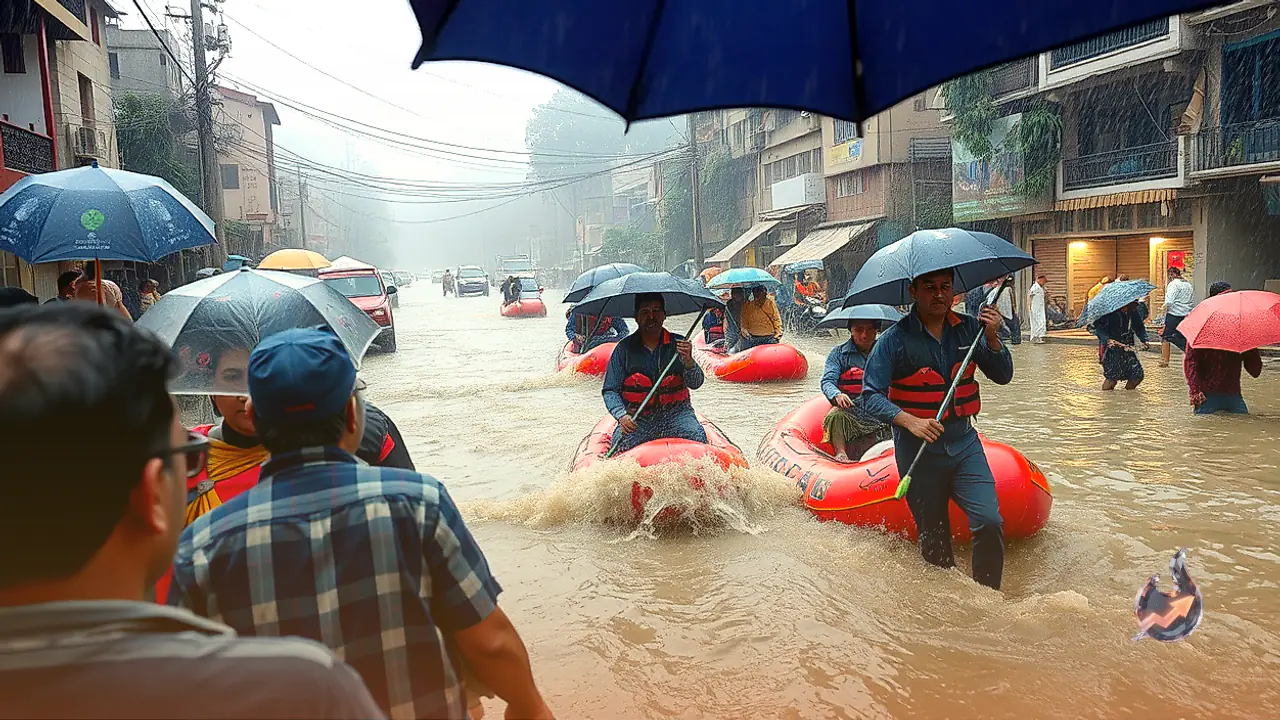
















The climate warnings issued by meteorologists months in advance are now manifesting into harsh realities across various regions. The weather phenomenon known as El Nino has begun showing its severe impacts, triggering concerns over soaring temperatures, acute drinking water shortages, and drought-like conditions. While several parts of the country experienced adequate rainfall, states like Maharashtra and Telangana recorded significantly lower precipitation than normal during the monsoon season. Acknowledging the gravity of the situation, the leadership in Telangana has stepped up to address the unfolding crisis.
Impending Water Scarcity in Telangana
Telangana Chief Minister A. Revanth Reddy issued a stern warning, stating that depleting water levels in reservoirs and surging electricity demand are pushing the state toward an unprecedented El Nino crisis. He cautioned that the upcoming 9 to 10 months could prove to be exceptionally difficult for the region. To safeguard drinking water supplies, the Chief Minister urged farmers to postpone the sowing of the Yasangi or Rabi crop and appealed to the general public to exercise strict caution while using water resources. Following a review meeting with cabinet ministers regarding the El Nino situation, CM Reddy emphasized that pressure on the state water infrastructure is mounting steadily.
Highlighting the seasonal deficit, the Chief Minister reported that the state received 23 percent less rainfall than normal during the monsoon months. This shortfall has severely impacted water availability in storage reservoirs, turning the management of drinking water, irrigation supplies, and fodder for livestock into a massive challenge for the months ahead. According to CM Reddy, reservoirs in the Krishna basin currently hold 72 percent less water compared to the same period last year. Providing further details on the state water reserves, he noted that while normal years see about 462 TMC of water available by this time, current levels have plummeted to roughly 200 TMC.
Current Status of Water Resources
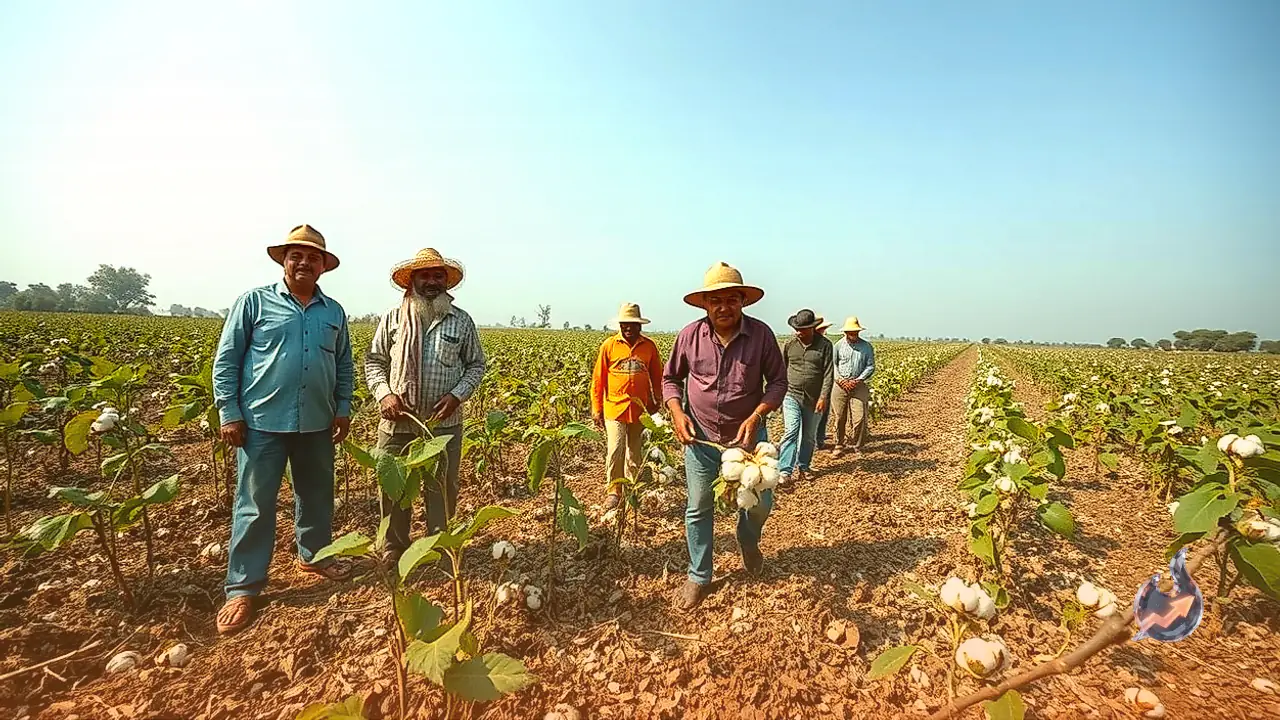
CM Revanth Reddy stated that no single reservoir currently holds enough water to fulfill both drinking and irrigation demands simultaneously. The state government bears the crucial responsibility of ensuring drinking water supply to approximately 24,000 villages, which requires prioritizing available reserves strictly based on necessity. Despite administrative efforts, the Chief Minister warned that roughly 10 lakh acres under the Vanakalam or Kharif crop face potential damage. With about 20 days remaining before the harvest of monsoon crops, the government is procuring electricity at prevailing market rates to save the standing crops in fields.
The Chief Minister appealed to the farming community to use irrigation water judiciously. He stressed that alongside drinking water, proper arrangements must be secured for livestock water and fodder to prevent the risk of widespread cattle mortality. The soaring electricity demand has added another layer of complexity to the crisis. CM Reddy revealed that power demand, which normally hovers around 15,000 megawatts in October, has spiked dramatically to 20,003 megawatts. This represents a surge of roughly 5,000 megawatts, driven primarily by the intensive operation of nearly 30 lakh agricultural pump sets across the state.
Describing the weather conditions, the Chief Minister pointed out that October is witnessing scorching heat resembling March temperatures, which has significantly driven up domestic power consumption. He called upon citizens to conserve electricity and avoid wasteful practices such as using hose pipes to wash vehicles. To combat these challenges, CM Reddy announced that the state government is formulating an action plan under the Mahatma Gandhi National Rural Employment Guarantee Act to repair and restore tanks, lakes, and ponds.
Furthermore, the state administration has formally requested financial assistance from the central government for farmers who have suffered crop losses and those unable to undertake sowing in the upcoming agricultural season. CM Reddy announced that Deputy Chief Minister Mallu Bhatti Vikramarka will convene an all-party meeting after Dusshera to brief political representatives on the gravity of the situation. Following this, an all-party delegation headed by the Chief Minister will travel to Delhi to meet the Union Home Minister and other central ministers, seeking necessary administrative and financial support from the center.
Addressing the global scale of the phenomenon, CM Reddy noted that El Nino is being felt worldwide due to ongoing global warming. He referenced United Nations warnings indicating that El Nino could impact people across 100 countries, bringing roughly one billion individuals under its direct or indirect influence. Drawing a parallel between this crisis and the COVID-19 pandemic, CM Reddy asserted that concerted collective efforts are essential to overcome the challenge. He appealed to political parties, the media, and citizens to rise above partisan politics and support the government so that no individual is left behind during this adversity.
Emphasizing the core strategy of resource conservation, the Chief Minister declared that saving water and saving electricity must become the guiding motto for everyone. To boost public awareness, the administration plans to run dedicated campaigns through cultural troupes. Prominent film actor Vijay Deverakonda has already appealed to the public regarding the El Nino issue, and the government intends to enlist the support of other film stars, athletes, and artists to strengthen the outreach campaign.