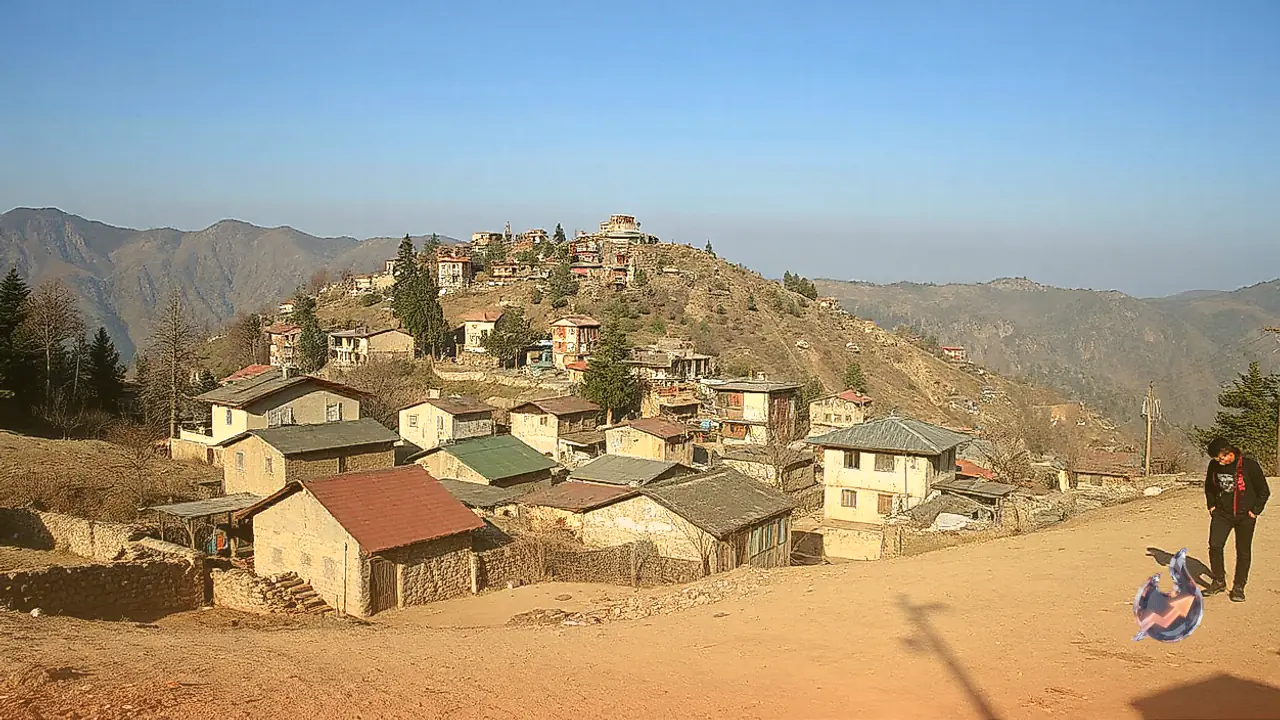

While Himachal Pradesh is dotted with numerous picturesque settlements across its majestic mountains, Dharamkot possesses a charm entirely of its own. Situated just uphill from Mcleodganj, this quaint village is surrounded by towering deodar trees, winding mountain trails, and cozy little cafes. The atmosphere here feels distinctly different from an ordinary hill village, largely due to the steady influx of international travelers, particularly young visitors arriving from Israel. Because of this unique cultural blend and popularity, Dharamkot is widely referred to by many as 'Mini Israel in the Himalayas'.
What Makes Dharamkot So Popular?
Dharamkot has maintained its reputation as a favored destination for Israeli travelers over many years. It is a common tradition for young adults in Israel to embark on extended journeys and travel abroad, including to India, immediately after completing their mandatory military service. A significant number of these travelers choose to spend several weeks or even months residing in Dharamkot. Over time, the village has firmly established itself as one of their most beloved retreats away from home.
Walking through the quiet lanes of the village, visitors will frequently notice signboards written in Hebrew outside various local shops and cafes. Several eating establishments also feature authentic dishes like falafel, hummus, shakshuka, and pita bread prominently on their menus. The presence of a local Chabad House further highlights this distinct cultural footprint. However, Dharamkot is by no means restricted solely to Israeli visitors, as the village regularly welcomes tourists from all across India and various other parts of the world.
Slow Living Amidst Cafes and Mountains
Exploring the pathways of Dharamkot offers a uniquely relaxing experience for anyone seeking tranquility. The area features numerous small cafes, homestays, and guesthouses where people love to sit for hours, sipping coffee while gazing at the surrounding peaks. In certain spots, visitors can enjoy live acoustic music, while elsewhere, travelers are spotted quietly engrossed in reading books or working on their laptops.
This relaxed environment particularly appeals to individuals looking to escape the hustle and bustle of their demanding daily routines for a brief period. For those with a deep interest in yoga and meditation, Dharamkot serves as an ideal sanctuary. Renowned institutions such as Tushita Meditation Centre and Dhamma Sikhara are situated right here, though participating in their programs requires prior inquiry and formal registration.
Trekking Trails and Nearby Sightseeing
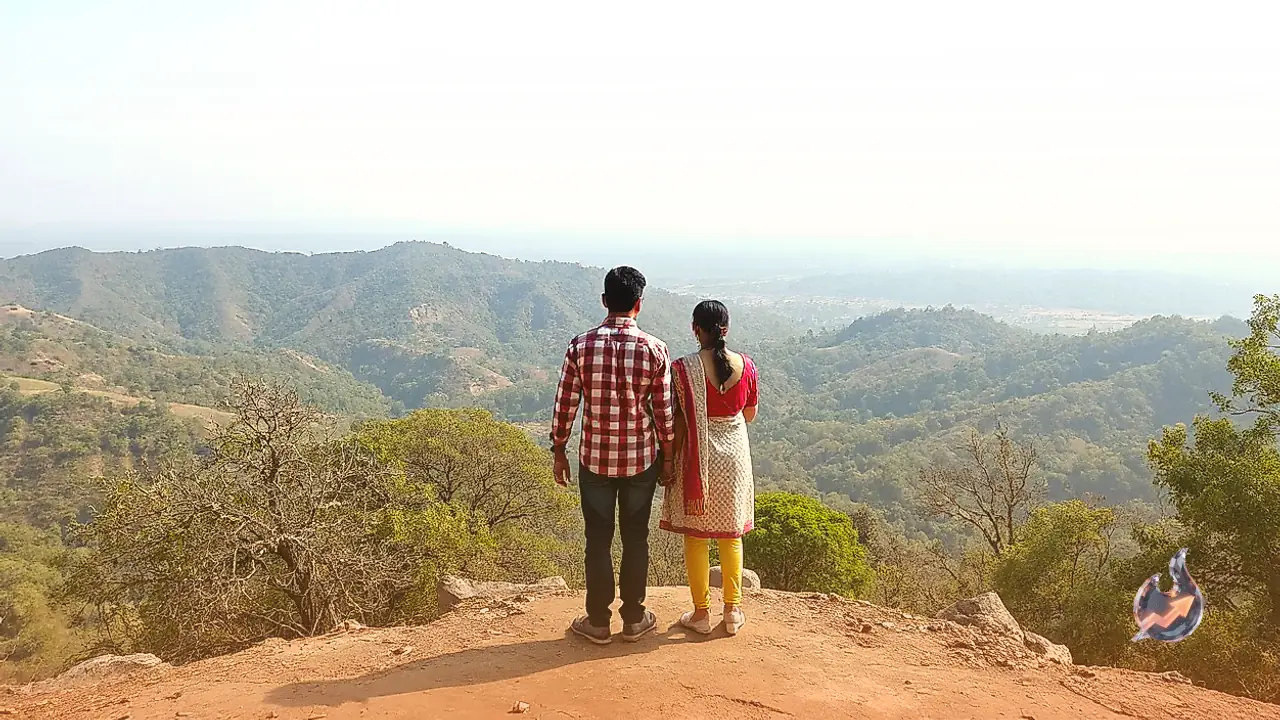
For visitors arriving in Dharamkot with an appetite for adventure and trekking, the popular trail to Triund makes for an exceptional addition to the itinerary. The trek route officially begins near the Galu Devi temple located just above the village. Winding its way through dense forests of deodar and oak trees, the path gradually opens up to breathtaking views of the majestic Dhauladhar mountain ranges. It is always advisable to start the trek early in the morning, and travelers must ensure they check local weather updates, trail conditions, and applicable local permits beforehand.
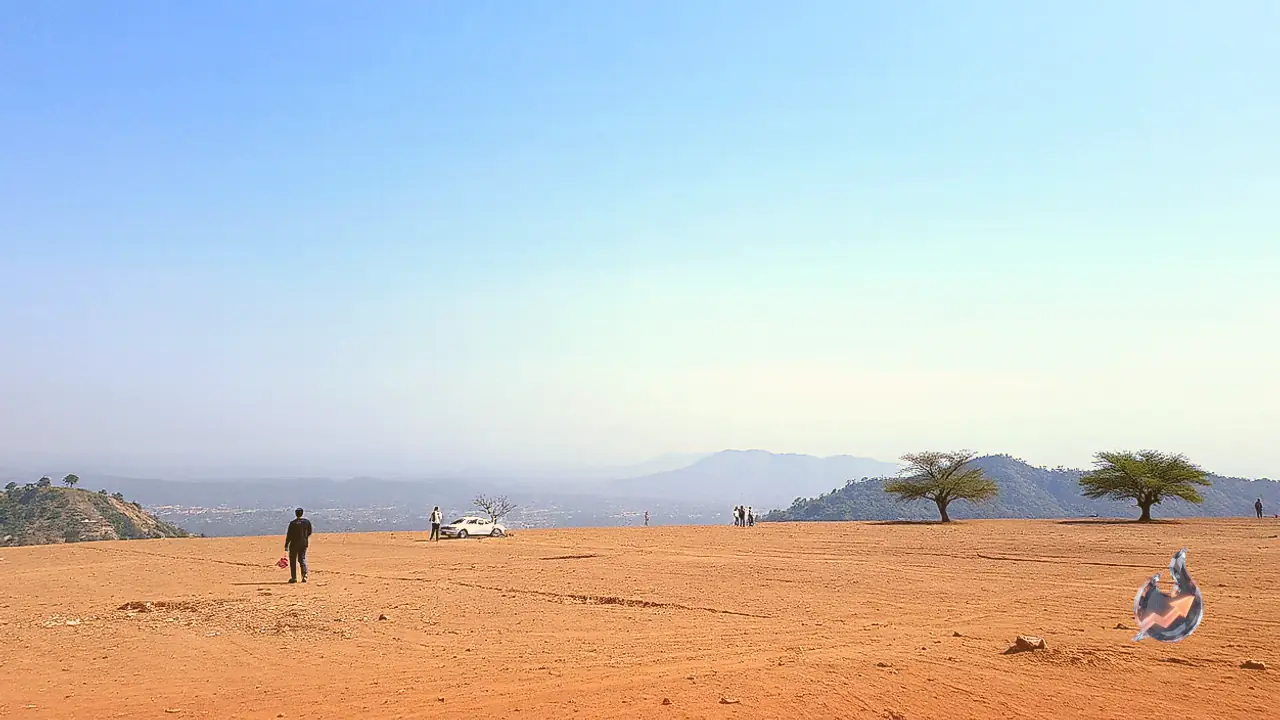
Dharamkot also serves as a convenient base to easily reach nearby locations like Mcleodganj and Bhagsu Nag. Mcleodganj offers a vibrant display of Tibetan culture, ancient monasteries, and bustling local markets, while the scenic Bhagsu Waterfall is easily accessible via a short walk. Travelers who have ample time to spare should also consider visiting Nadi village, which treats onlookers to spectacular panoramas of the mountains and the expansive Kangra valley.
Geographically, Dharamkot is perched directly above Mcleodganj in the Kangra district of Himachal Pradesh. Regular bus services to Dharamshala operate from major cities like Delhi and Chandigarh, from where visitors can hire a taxi via Mcleodganj to reach Dharamkot. For rail travelers, Pathankot serves as the nearest major railway station, while the Gaggal airport provides a convenient option for those preferring air travel.
The optimal window of time to visit Dharamkot falls between the months of March to June and September to November. During the monsoon season, heavy rainfall frequently causes disruptions, making mountain trails and trekking activities quite challenging and hazardous.
Ultimately, the true appeal of Dharamkot extends far beyond its famous nickname. The harmonious presence of travelers from diverse global backgrounds, cozy mountainside cafes, spiritual meditation centers, and stunning surrounding treks give this destination a character entirely of its own. For anyone traveling through Himachal Pradesh in search of a destination that combines natural mountain beauty with enriching cultural experiences, Dharamkot deserves a prominent place on the travel checklist.