























Most people who travel to Deoghar for the Baidyanath darshan head straight home once the temple visit is done. But just 65 to 70 kilometres away, no more than one and a half to two hours by road, lies Dumka, a city that offers an entirely different kind of reward. As the sub-capital of Jharkhand and the administrative capital of Santhal Pargana, Dumka brings together religious shrines, centuries-old temples, natural landscapes and newer attractions that collectively draw thousands of visitors every year. For those willing to extend their trip, it is the part of the journey that tends to surprise the most.
Basukinath Dham: The Temple That Completes the Pilgrimage
Baba Basukinath Dham, situated about 45 kilometres from Deoghar, is the religious centrepiece of the Dumka region and a site many pilgrims consider non-negotiable. The belief embedded in local tradition is clear and longstanding: a devotee's visit to Baba Baidyanath is not considered spiritually complete until they have also sought the blessings of Lord Shiva at Basukinath. This conviction draws a steady stream of pilgrims from Deoghar toward Basukinath, and during the months of Sawan and Bhadra the numbers swell to lakhs of devotees. The temple carries a history stretching back hundreds of years, and the devotional atmosphere that fills the air around it has a quality that is difficult to replicate elsewhere.
Masanjore Dam: A Hill-Station Mood on the Mayurakshi River
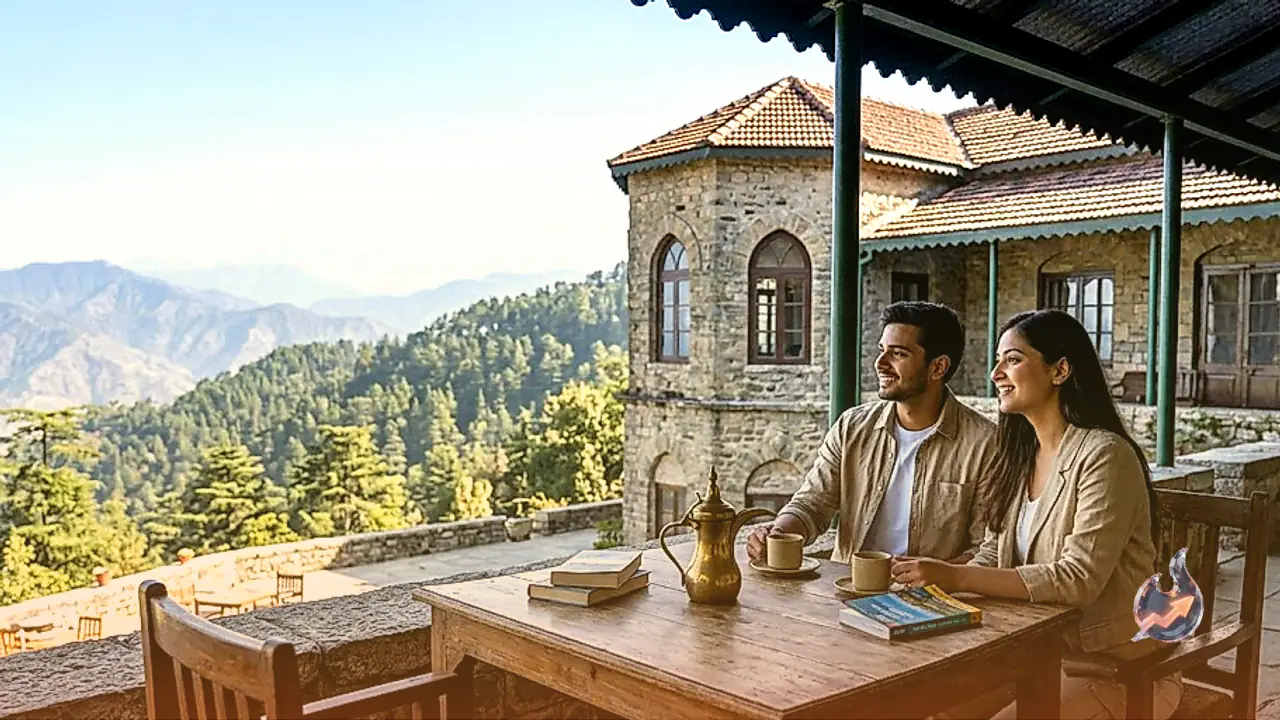
Masanjore Dam, about 85 kilometres from Deoghar, rises across the Mayurakshi River and has earned itself two names over the years. Its second and perhaps more evocative name is the Canadian Dam, a reference to the fact that the government of Canada provided support during its construction. The dam is encircled by high hills, and the combination of towering terrain, wide stretches of water and thick belts of greenery creates a setting that is among the most photographed in this part of Jharkhand. During the monsoon, the whole landscape shifts in mood and begins to feel like a genuine hill station. Tourists who want to linger have the option of staying in the cottages built near the dam, making it possible to absorb the scenery slowly and without rush.
Tatloi Hot Spring: Where the Forest Stays Warm Throughout the Year
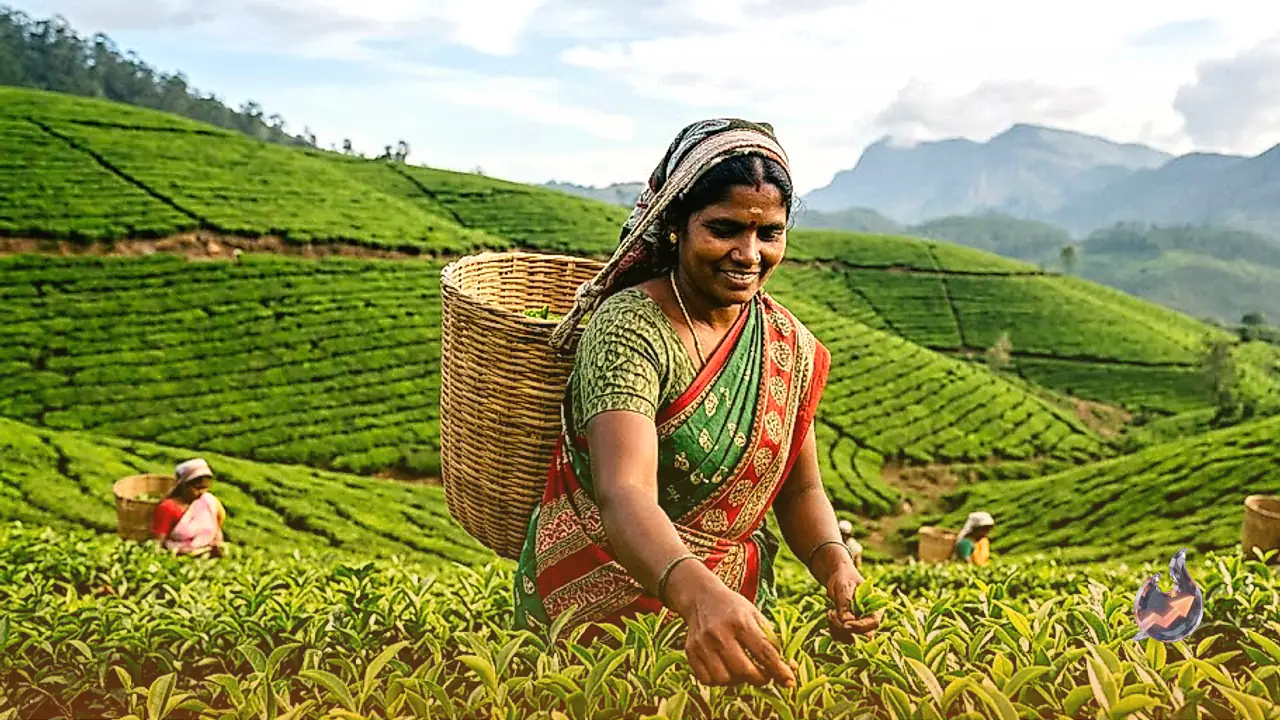
About 55 kilometres from Deoghar, the Tatloi hot water spring lies inside dense forest and hilly terrain, quietly doing something that takes first-time visitors by surprise. Its water stays warm in every month of the year, with no seasonal variation. Locals have maintained for generations that bathing in this naturally heated spring brings relief from various skin ailments, and that belief continues to pull visitors who are seeking both a remedy and an unusual experience in nature. Winter is when Tatloi is at its busiest, as the cool forest air makes the warmth of the water feel especially welcome. The contrast between the surrounding wild landscape and the steaming spring is precisely what makes the place memorable.
Maluti: The Village That Once Had 108 Temples
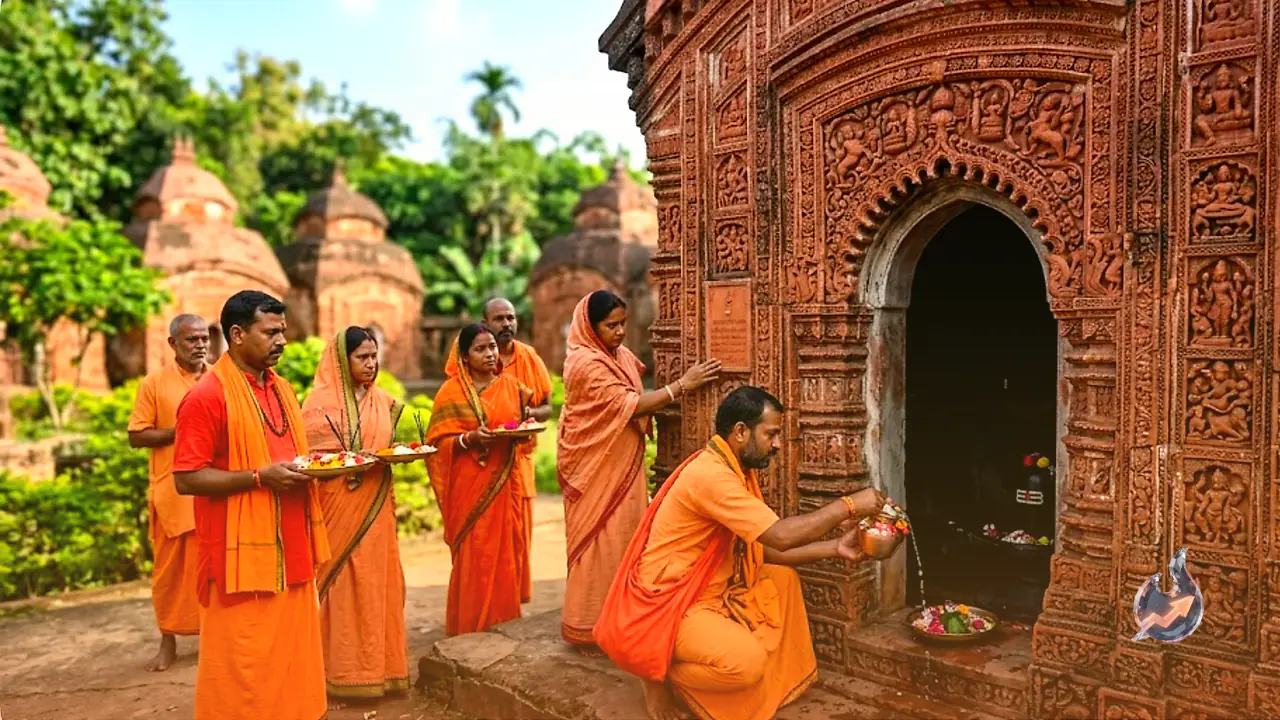
For travellers drawn to history, ancient craft or forgotten architecture, Maluti village, about 75 kilometres from Deoghar, is a genuinely rare discovery. The village has earned national recognition for its collection of ancient terracotta temples, a concentration of heritage found in very few places across the country. Local tradition holds that Maluti once housed as many as 108 such temples, and a striking number of them remain standing today, each still carrying traces of the skill and devotion poured into its original creation. The carvings and sculptures on the temple walls draw from both Bengali and Santhal artistic traditions, making Maluti a place where two distinct cultural streams have converged over centuries in stone and fired clay. Among the historical heritage sites of Jharkhand, Maluti holds a position of particular distinction.
Selfie Bridge and Srishti Pahad Park: The New Crowd-Pullers
Near Masanjore Dam, the Selfie Bridge has established itself as one of the most visited spots in the area, especially among younger travellers and families. During the monsoon season the dam provides a dramatic backdrop, and the bridge in the foreground creates a setting that lends itself to photographs that have spread widely across social media. Evenings at the bridge attract visitors who come specifically for the sight of the sun going down behind the water, which many find genuinely striking. Weekends and public holidays consistently bring large groups here, all making the most of the scenery and the opportunity to take pictures.
Srishti Pahad Park in Dumka, about 80 kilometres from Deoghar, offers a different kind of outing that suits families particularly well. The park has been developed across a hillside, and visitors are greeted immediately by an expansive view, cool breezes moving through the trees and greenery spread in every direction. When the rains arrive, the entire hillside deepens into vivid green and the park's visual appeal grows considerably. Children's play facilities, comfortable seating areas, selfie points and marked walking paths have all been built into the space, making it a well-rounded destination for a day out regardless of age or preference.