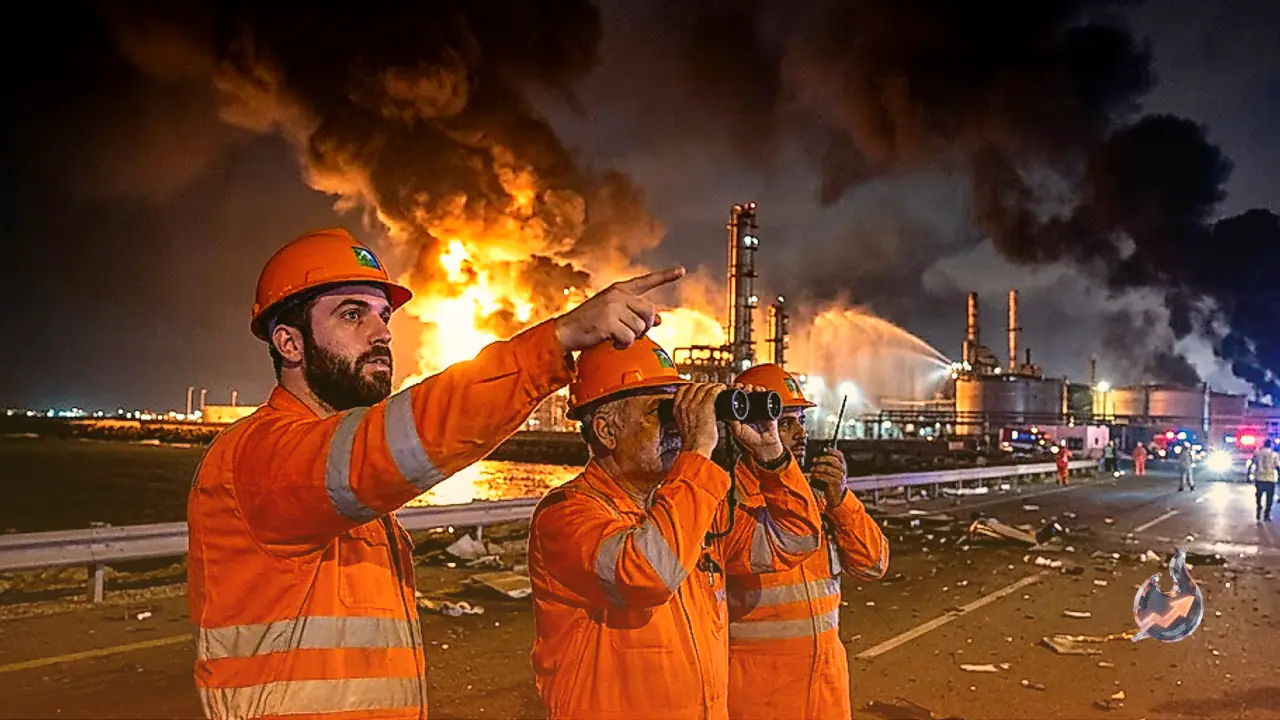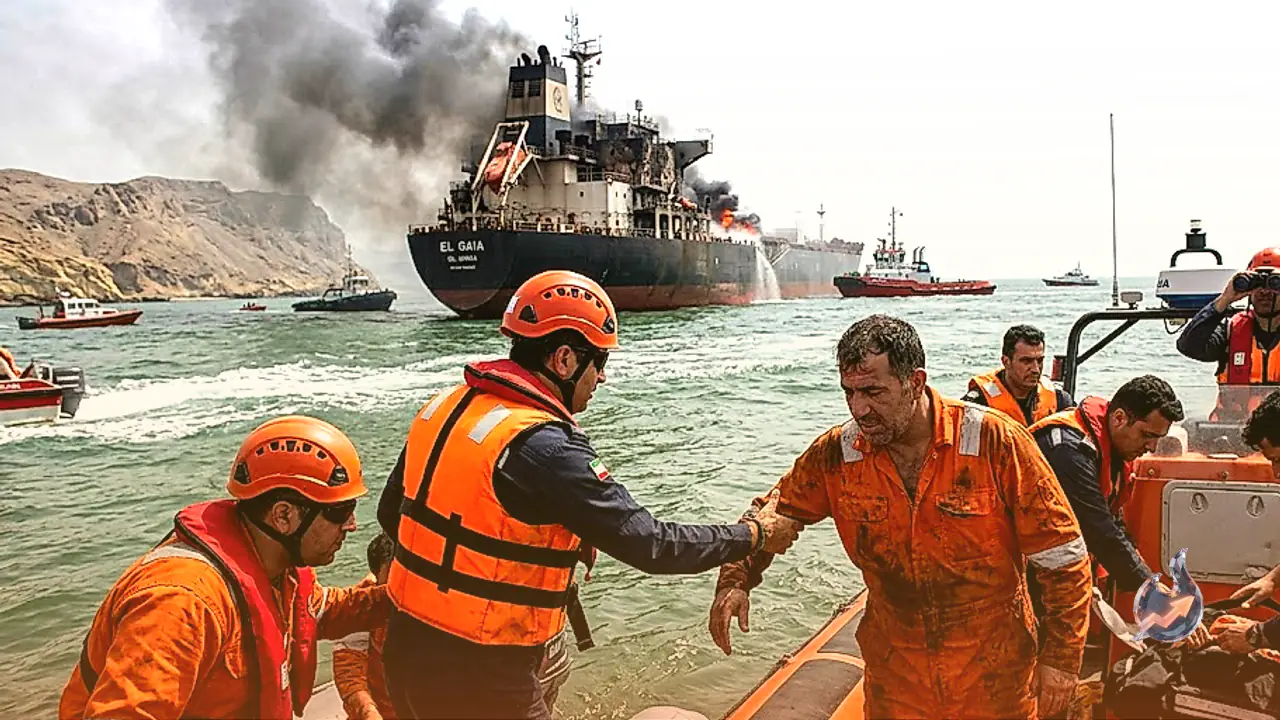























A lethal escalation of violence has shattered tranquility in southern Lebanon after Israeli forces launched a series of targeted airstrikes across border settlements, resulting in one fatality and injuring 12 others in the town of Tibnin. The renewed military offensive coincided with Israel's first formal civilian evacuation directive in over a month, ordering residents out of the nearby town of Mansouri. These aggressive maneuvers unfolded precisely as diplomatic representatives from both belligerent nations convened in Rome for United States sponsored negotiations intended to salvage a fragile ceasefire framework. Despite ongoing high-level diplomatic engagements, battlefield tensions erupted as military authorities asserted that their operations responded directly to breach actions attributed to Hezbollah forces operating near the border region.
Devastation in Tibnin and Heavy Bombardment Across Mansouri
The deadliest impact of Wednesday afternoon's military operations occurred in Tibnin, where munitions struck the roof structure of a cemetery prayer hall. Local medical reports confirmed that one individual lost their life while 12 others sustained varying degrees of injuries during the bombardment. Simultaneously, airstrikes rained down on the town of Mansouri, located further west near the Mediterranean coastline. Municipal leadership in Mansouri, headed by Mayor Haidar Madihli, outlined the extent of destruction that hit the town's outskirts. According to municipal observations, Israeli warplanes launched four distinct aerial strikes targeting residential structures and private villas situated within the Ghazaleh neighborhood, causing extensive structural destruction across the residential sector.
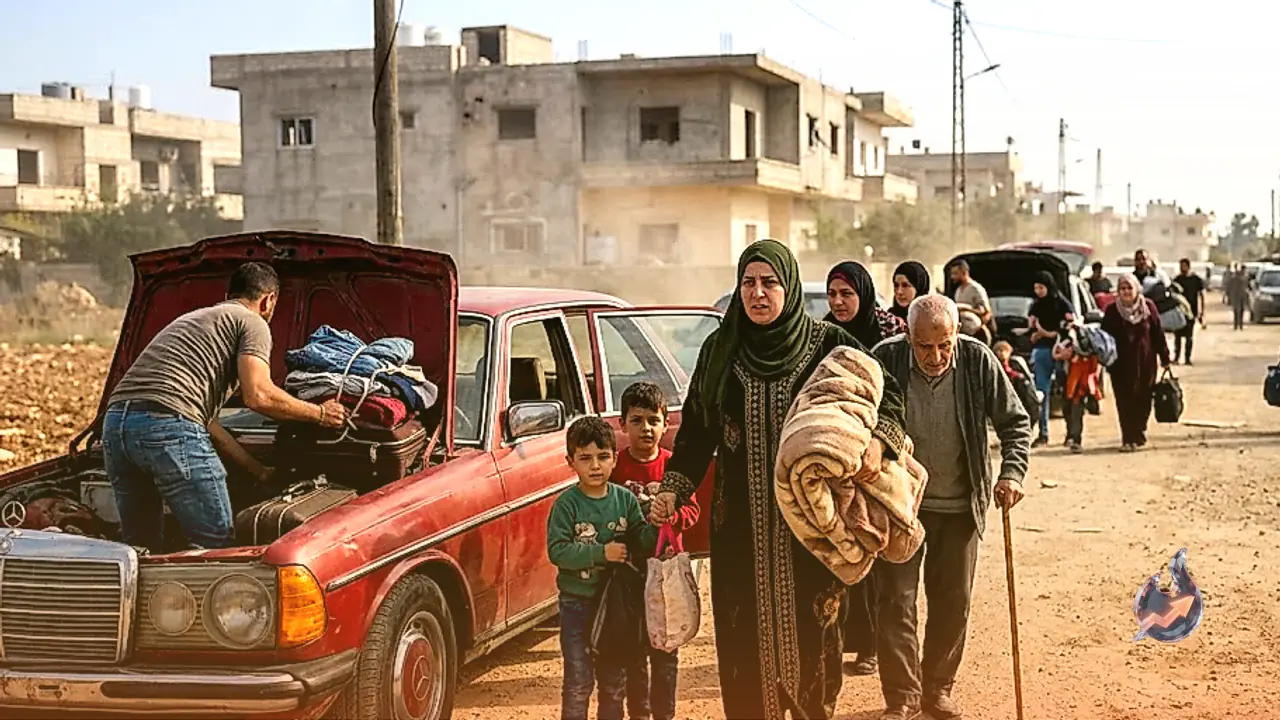
The swift bombardment sparked an immediate flight of remaining local populations. Mayor Haidar Madihli detailed how alarmed families scrambled to pack their essential personal belongings into motor vehicles, fleeing northward along coastal roads toward Tyre, which stands as the largest urban center in southern Lebanon. The mayor noted a dramatic decline in the town's resident population over recent weeks. Following the declaration of a ceasefire on June 19, approximately 120 displaced families had initially returned to reclaim their homes in Mansouri. However, that number steadily dwindled as recurring military strikes eroded security in the perimeter. In the days immediately preceding Wednesday's attack, only 40 to 50 families remained inside Mansouri, and that remaining contingent has now been largely forced out by renewed shelling.
Evacuation Directives and Security Zone Disagreements
Wednesday's escalation commenced when an Arabic-language military spokesperson issued an urgent public warning directing all occupants of Mansouri to abandon their homes ahead of imminent forceful military action. Approximately 30 minutes following that public directive, precision airstrikes commenced over the designated target areas. This order represented the very first formal military evacuation demand issued for southern Lebanon since June 14, a date when authorities instructed populations across 29 towns and villages to evacuate their communities amidst heavy fighting.
Military officials framed the offensive operations as a direct response to persistent ceasefire violations carried out by Iran-backed Hezbollah combatants. Elaborating on the rationale behind the operation, an Israeli military source stated that displaced Lebanese civilians had recently re-entered Mansouri under the direct facilitation of the Lebanese army. The source claimed that Lebanese armed forces established an unauthorized military checkpoint within the area, violating previously negotiated terms. Israel maintains that Mansouri falls directly inside its self-declared security zone, an occupied territorial strip extending 10 kilometers (six miles) deep along the Lebanese side of the international border. Military sources asserted that active armed presence within this buffer zone endangered non-combatant populations and necessitated rapid defensive interventions.
Parallel Rome Diplomacy and the Disarmament Deadlock
The sudden outbreak of combat operations created a tense backdrop for diplomatic delegates gathered in Rome, where US officials hosted talks with Israeli and Lebanese negotiators to preserve peace protocols. Discussions centered on implementing a trilateral agreement established in late June between Israel, Lebanon, and the United States. Under that structural roadmap, Israeli forces agreed to execute a gradual, phased withdrawal from occupied territories in southern Lebanon, contingent upon the full disarmament of Hezbollah militia units operating in the south.
Progress under the trilateral framework achieved a tangible milestone two weeks ago when Israeli troops completed a withdrawal from the border village of Zawtar al-Gharbiyeh. That pullback allowed units of the regular Lebanese army to deploy into the area as part of an initial pilot zone designed to test security transition protocols. However, broader implementation faces severe political friction. Hezbollah leadership publicly rejected key tenets of the arrangement, declaring that any provisions mandating the group's complete disarmament as a prerequisite for Israeli territorial withdrawal crossed all red lines. In the aftermath of Wednesday's strikes, Hezbollah maintained complete silence, refraining from issuing official public comments regarding the air attacks or evacuation commands.
Humanitarian Reintegration Trends and Ongoing Displacement
The sudden resurgence of military action threatens to derail broader humanitarian recovery initiatives across the nation. Information released by the United Nations office for humanitarian coordination indicates that more than 820,000 internally displaced persons across Lebanon had begun returning to their original hometowns and villages as overall combat intensity decreased following previous agreements. Families had begun rebuilding damaged homes and restoring basic agricultural routines in areas deemed safe from immediate cross-border fire.
Despite those mass return efforts, humanitarian agencies emphasize that the crisis remains profound. Approximately 360,000 individuals remain displaced throughout Lebanon, unable to return to heavily damaged or militarized border communities. Among those uprooted citizens, roughly 26,000 people continue to rely on government-administered emergency shelters for basic housing, food, and daily necessities. The fresh strikes in Mansouri and Tibnin demonstrate how quickly fragile return patterns can shatter, forcing civilian populations back into flight and compounding the logistical burdens on humanitarian support systems.
Broader Chronology and Total Human Toll of the Conflict
The current cycle of devastating warfare erupted on March 2, when Lebanon became directly embroiled in broader regional hostilities involving Israel, the United States, and Iran. That escalation began when Hezbollah launched barrage attacks using rockets into Israeli territory, explicitly claiming retaliation for a targeted military strike that resulted in the death of Iran's supreme leader. In response to the rocket offensive, Israeli forces initiated an intensive air bombardment campaign targeting infrastructure across Lebanon while simultaneously launching ground incursions to seize significant portions of southern Lebanese territory.
The human cost of the months-long war has reached catastrophic proportions. Official mortality tallies compiled by the Lebanese health ministry document that at least 4,333 individuals have lost their lives in Lebanon since hostilities commenced on March 2. That casualty count includes 392 women and 253 children who were killed during bombardment operations. Even after the official announcement of a ceasefire, violence has continued to claim lives; the health ministry recorded 353 deaths occurring since the peace agreement was declared. On the Israeli side of the conflict, official state accounts confirm that 38 Israeli soldiers and four civilians have been killed in combat operations and cross-border attacks across both sides of the frontier.