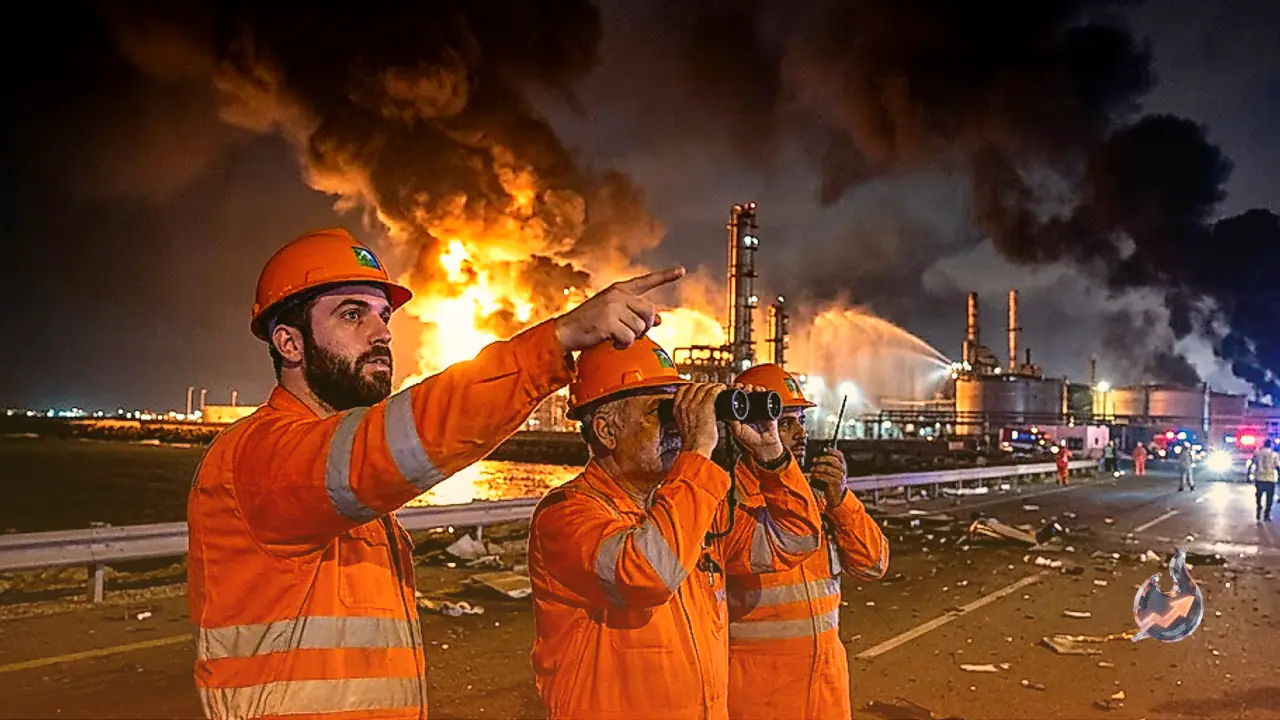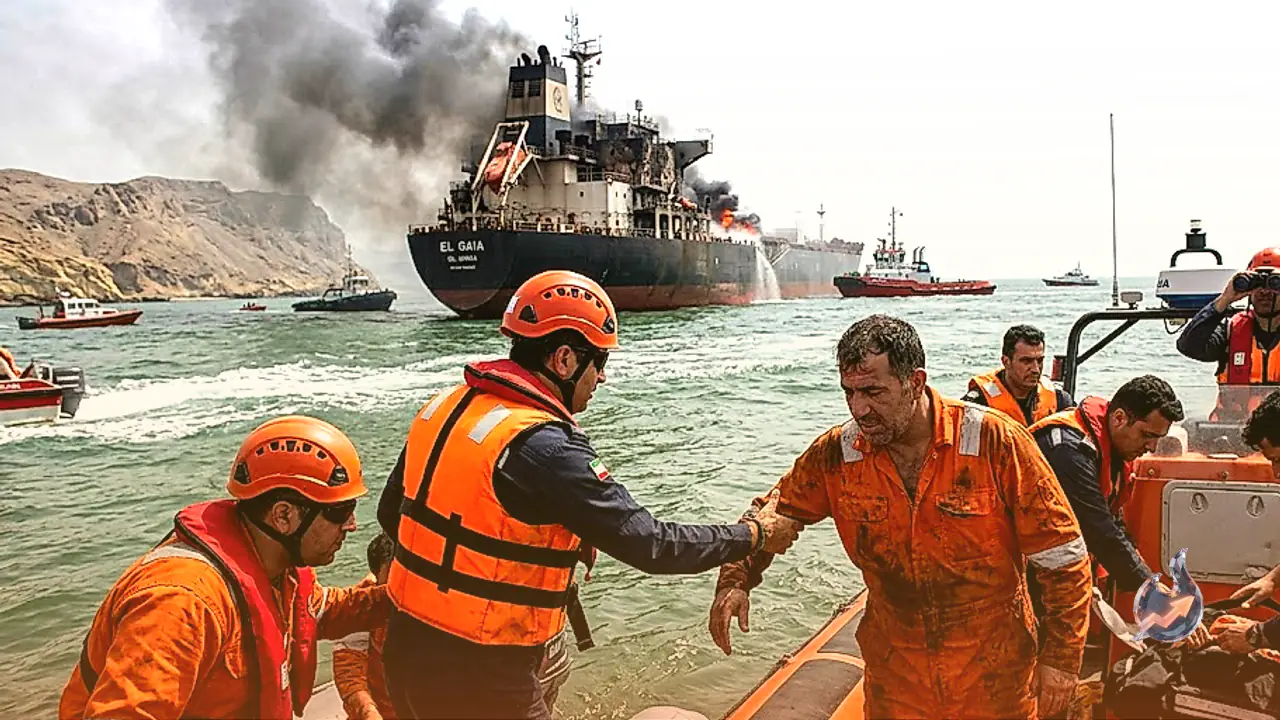








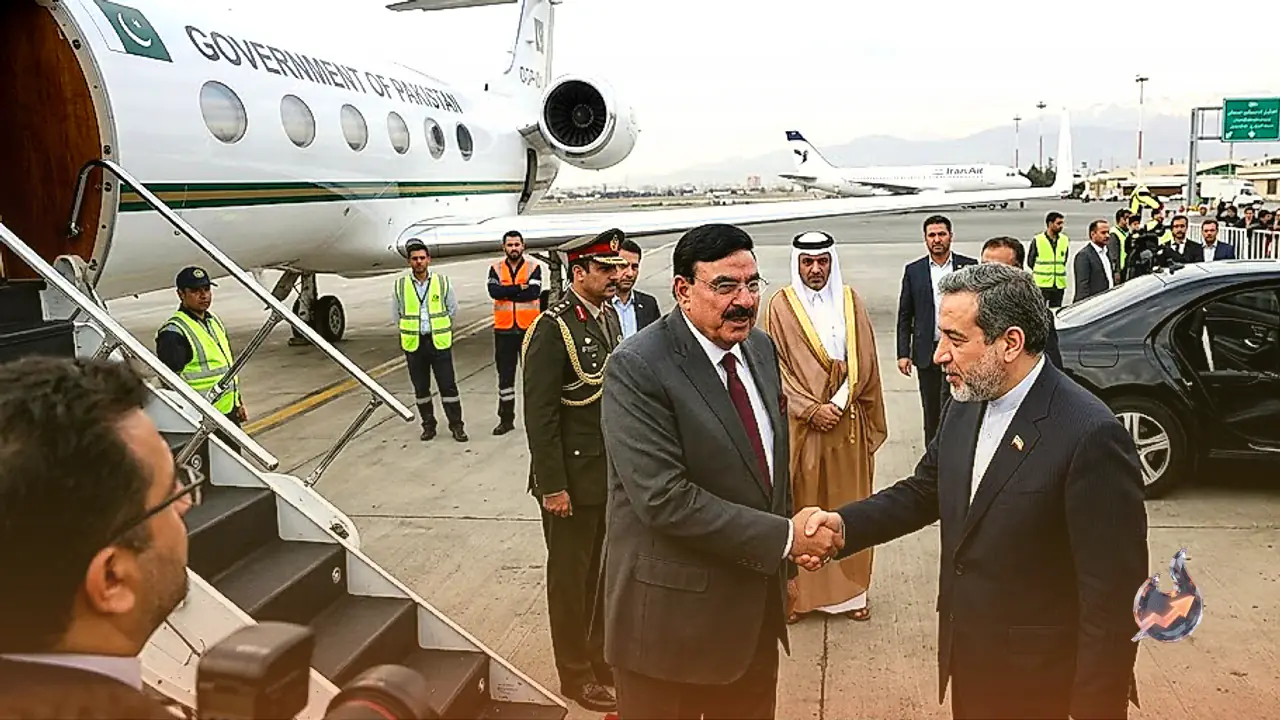














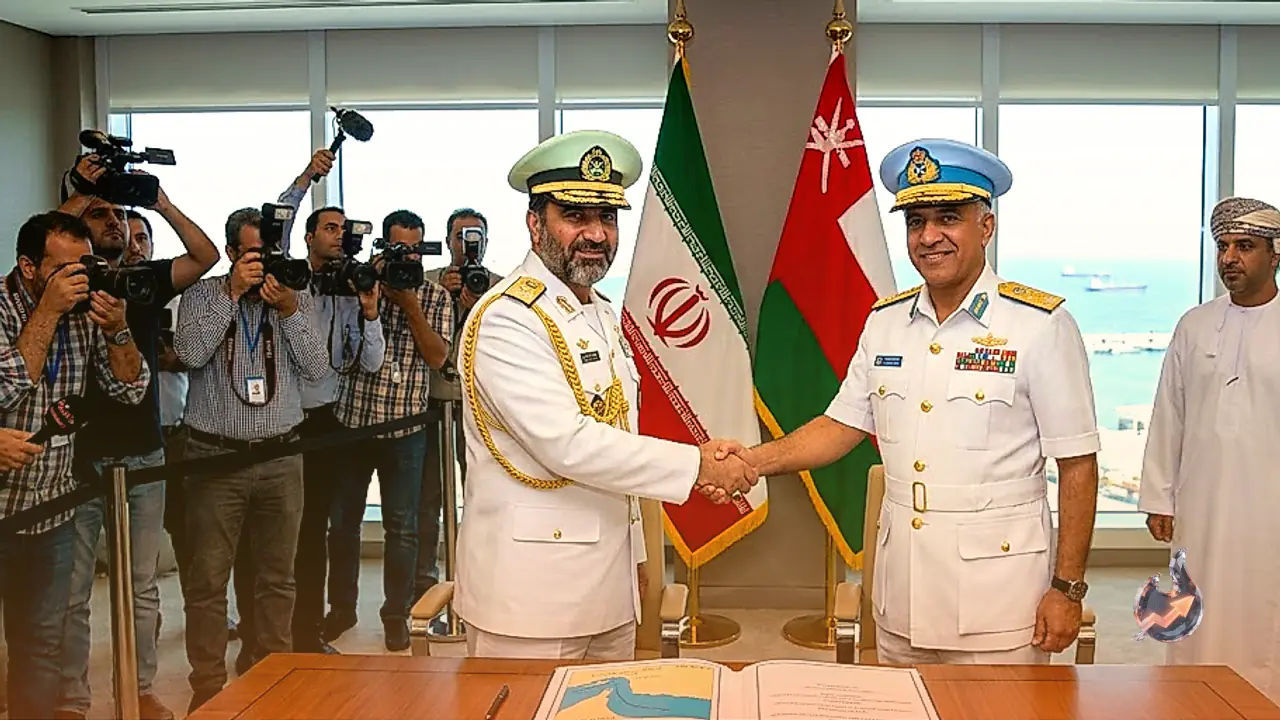

A potential breakthrough has emerged in the ongoing maritime standoff surrounding the Strait of Hormuz, as Iranian authorities announced an agreement with neighboring Oman regarding a dedicated navigation route for commercial vessels. The strategic waterway, which serves as one of the world's most critical energy transit choke points, has remained largely impassable following escalating military confrontations in the Middle East. Officials indicated that negotiations between Tehran and Muscat have reached their concluding stages, identifying specific coordinates aimed at restoring limited maritime traffic.
Agreement Reached on Geographical Coordinates
Foreign Ministry spokesman Esmaeil Baqaei confirmed that Iran and Oman have finalized the technical aspects of the proposed transit corridor. The arrangement establishes defined geographical coordinates designed to facilitate safer passage for ships attempting to navigate through the Gulf. Baqaei noted that while the deal is in its final phase, the establishment of this designated route alone will not provide a comprehensive guarantee of safe navigation across the entire waterway. Iranian representatives stressed that broader regional stability depends heavily on resolving underlying military and economic pressures.
Impact of US Blockade and Security Concerns
Iranian officials maintain that the primary factors disrupting maritime traffic stem from ongoing operations by the United States. According to official Iranian statements, the naval blockade imposed on Iran's ports, along with continued military postures in regional waters, directly undermines commercial shipping safety. The United States government has not issued an official response to the bilateral arrangement between Oman and Iran. Tensions escalated significantly in late February following joint military strikes launched against Iranian targets by the US and Israel, prompting Iran to restrict access through the vital maritime pass.
Global Energy Market Instability
The operational freeze in the Strait of Hormuz carries immense consequences for international energy trade. Historically, approximately 20 percent of the world's daily petroleum consumption and liquefied natural gas (LNG) shipments transit through this narrow passage between the Gulf of Oman and the Persian Gulf. Since shipping routes were disrupted, global crude oil benchmarks have experienced sharp volatility, creating anxiety across international commodity markets and impacting energy-dependent economies worldwide.
Washington's Warnings and Divergent Diplomatic Stances
The announcement follows stern warnings from US President Donald Trump, who publicly declared that Iran would face severe military consequences if access to the Strait of Hormuz was not restored promptly. While senior officials in Washington suggested that indirect discussions mediated by regional partners had advanced sufficiently to allow shipments to resume in the near future, Iranian leaders firmly repudiated claims of direct engagement. Tehran reiterated that it is not conducting bilateral negotiations with the US government and holds no intention of doing so, relying strictly on regional mediation through Oman to manage maritime arrangements.