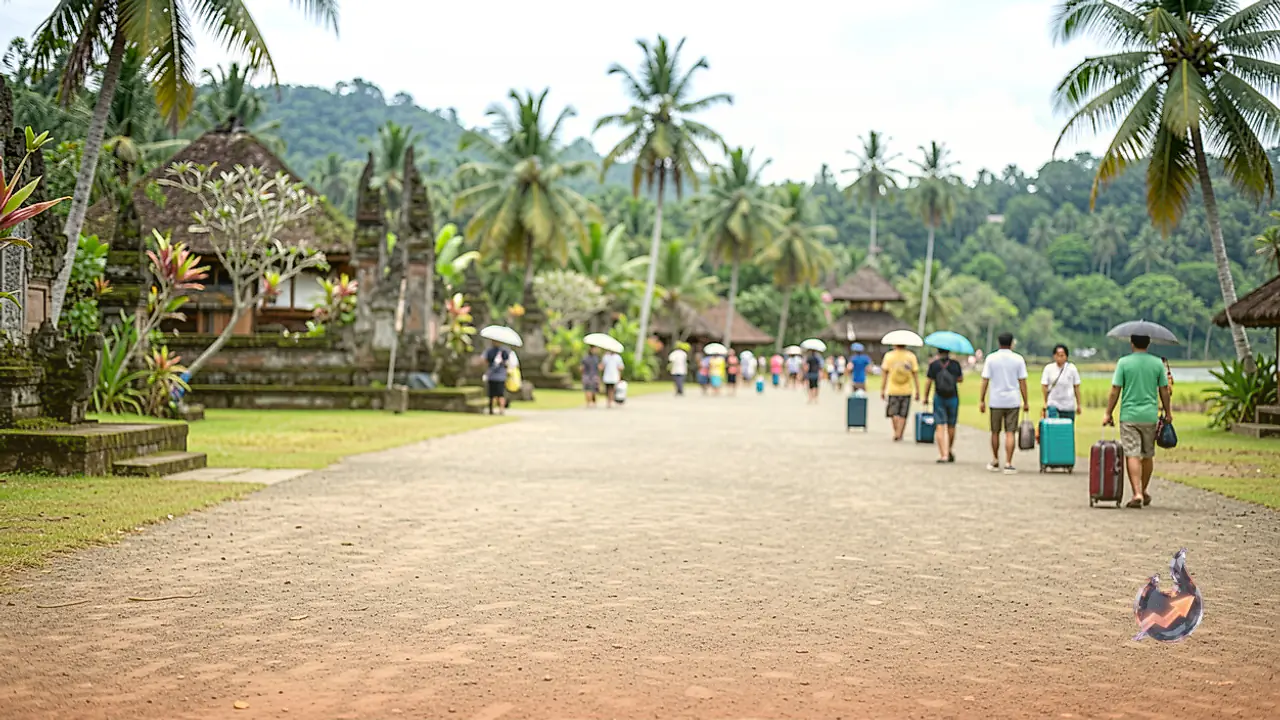
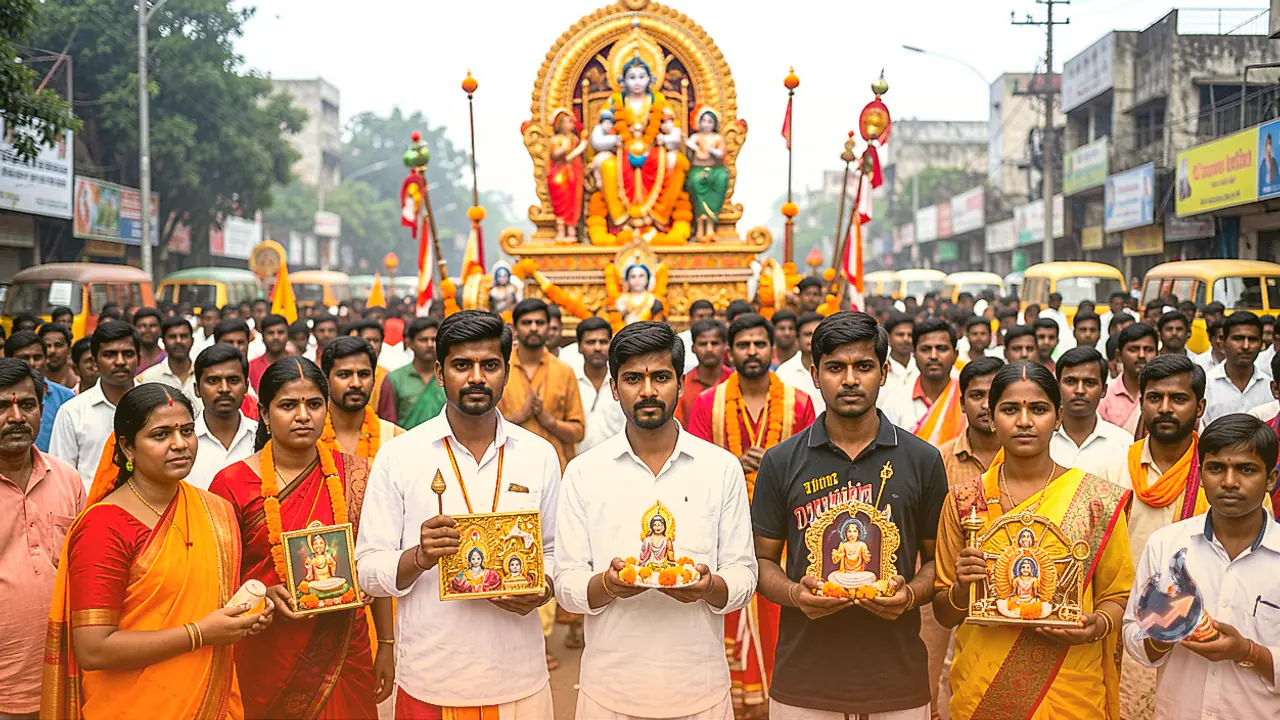

















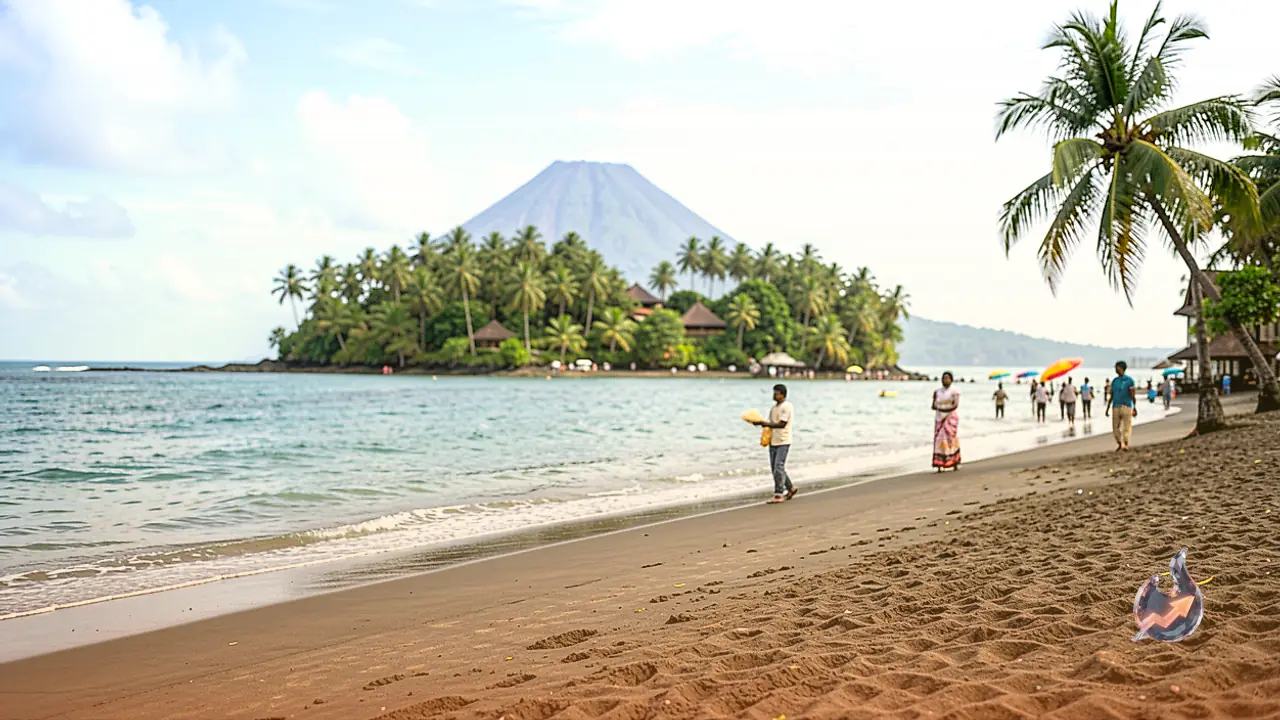

While Indonesia is widely known as the country with the largest Muslim population in the world, Bali stands out as a unique island separated from the Indonesian mainland where nearly 90 percent of the residents follow Hinduism. The local Hindu community has preserved its age-old civilization, culture, and religious traditions for centuries. Traditional family shrines are built outside every home, and thousands of temples trace their origins back hundreds of years, earning Bali the title of the Island of the Gods. Travelers from all over the globe frequently visit this destination, and many honeymooners choose it for its breathtaking natural scenery. Those planning a trip from India to Bali can find a complete breakdown of estimated expenses and recommended locations right here.
Geographical Background and History
The island of Bali is geographically distinct from the main territory of Indonesia, situated in Southeast Asia among the Sunda Islands. To the west, the Bali Strait separates it from the primary mainland of Java, while the vast Indian Ocean borders it to the south. Formed by volcanic activity, the island features high mountain ranges right through its center. The distance between the Andaman and Nicobar Islands and Bali is approximately 3000 kilometers. In earlier times, travelers from India embarked on journeys to Bali and Indonesia from Kolkata or Madras, utilizing steamers that took anywhere from 5 to 10 days to reach the main Indonesian ports.
Flight Connectivity and Routes
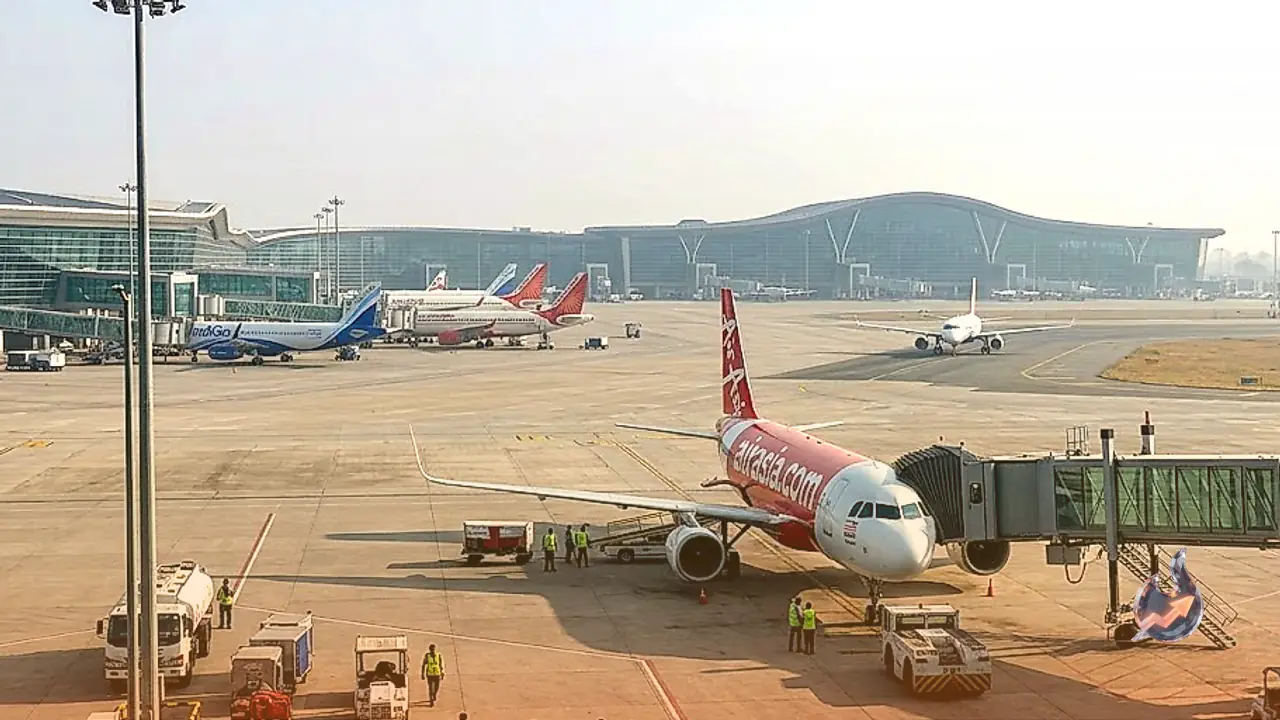
Modern travel relies on aviation rather than maritime voyages. Traveling to Bali is convenient from major Indian cities including New Delhi, Bengaluru, Mumbai, and Chennai. Direct flights operate daily from New Delhi. The capital city of Denpasar houses the Ngurah Rai International Airport. A second facility, Lombok Airport, operates flights from India only on rare occasions. A direct flight from India takes roughly 7 hours. Many travelers choose to route their journey through Malaysia or Singapore because both hubs offer frequent direct flights and potential cost savings. Some travelers fly into the Indonesian capital of Jakarta before taking a connecting flight to Bali, though this adds distance since the aerial separation between Jakarta and Bali spans about 1000 kilometers.
Estimated Flight and Accommodation Expenses
Booking a direct one-way flight from any airport in India to Bali costs an average of 15000 to 20000 rupees, bringing the total round-trip airfare to between 30000 and 40000 rupees. Promotional airline discounts can occasionally lower these ticket prices. Researching connecting flights through Malaysia or Singapore can also yield further savings. Decent hotels in Bali are available for around 1500 rupees per night, while mid-range accommodations generally cost between 2000 and 3000 rupees. Couples traveling together can secure excellent hotel rooms for about 1500 rupees per person daily.
Food and Local Transportation Budgets
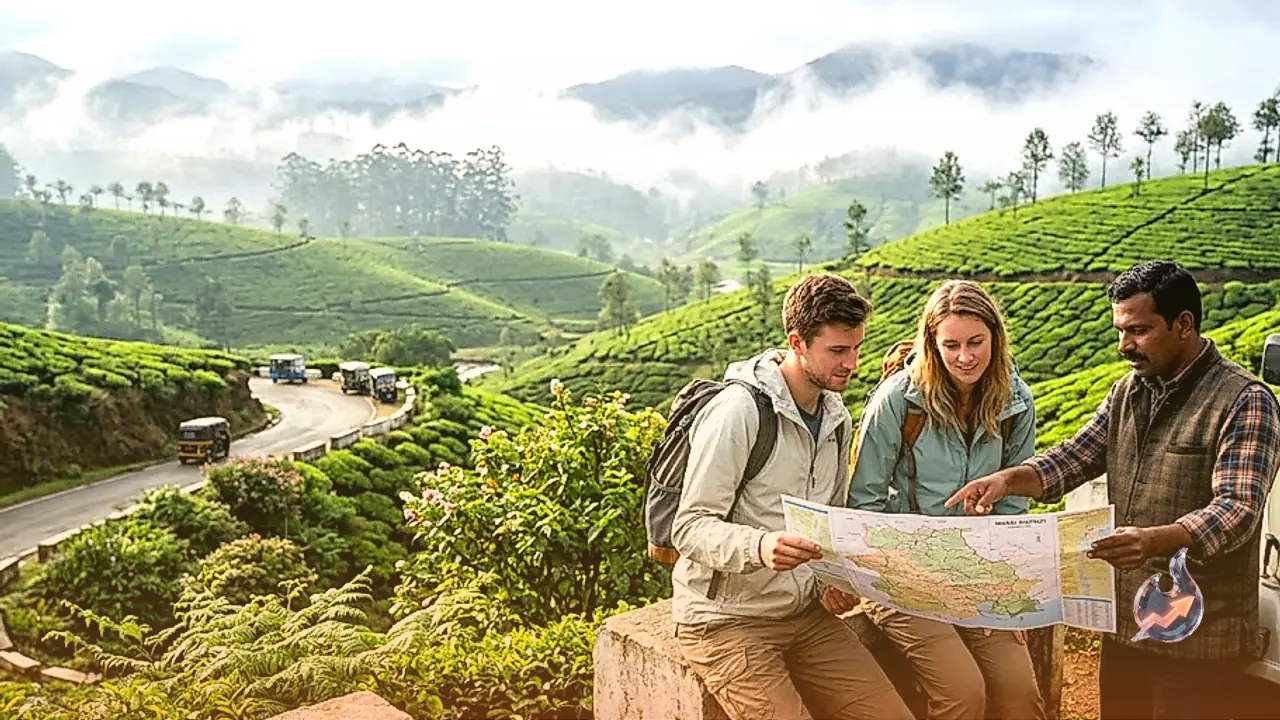
Daily food expenses will amount to a minimum of 500 rupees per person. A standard 4-night itinerary spanning five days requires an estimated hotel expenditure of 10000 rupees and a food budget of 5000 rupees per traveler. Hiring a taxi or car with a driver for four days of sightseeing in Bali incurs a daily rate of approximately 500000 to 700000 Indonesian rupiah, which converts to roughly 3000 Indian rupees per day. Consequently, transportation over five days totals about 15000 rupees.
Total Trip Cost and UNESCO Heritage Sites
Adding up the estimated expenses—35000 rupees for flights, 10000 rupees for lodging, 5000 rupees for meals, and 15000 rupees for local transit—brings the baseline trip cost to roughly 65000 rupees. Traveling in pairs can reduce per-person overhead slightly. Factoring in shopping and incidental purchases, a normal 4-night getaway typically runs between 70000 and 80000 rupees, though actual spending remains entirely flexible. Beyond basic logistics, Bali features renowned global landmarks. The Jatiluwih Rice Terrace is listed as a UNESCO World Heritage Site, offering visitors a tranquil trekking experience amid lush greenery, while its traditional subak irrigation system serves as a remarkable centuries-old cooperative agricultural model. Additionally, the Ulun Danu Beratan Temple in Bedugul is another UNESCO-recognized site that appears to float upon the calm waters of Lake Beratan, earning fame for its unique traditional architecture.
Recommended Four-Day Itinerary
During a four-day stay, tourists can spend their first day exploring the famous Monkey Forest in Ubud, the Tegalalang Rice Terrace, and the local art market. The second day offers opportunities to visit Mount Batur or the Uluwatu Temple to enjoy a traditional Kecak dance performance. Day three can be dedicated to touring the famous Tanah Lot and the Ulun Danu Beratan Temple in Bedugul. Finally, the fourth day can be spent unwinding on the scenic beaches of Nusa Dua or Seminyak. Combining rich cultural heritage with stunning natural wonders, Bali delivers a memorable experience for every visitor.