






















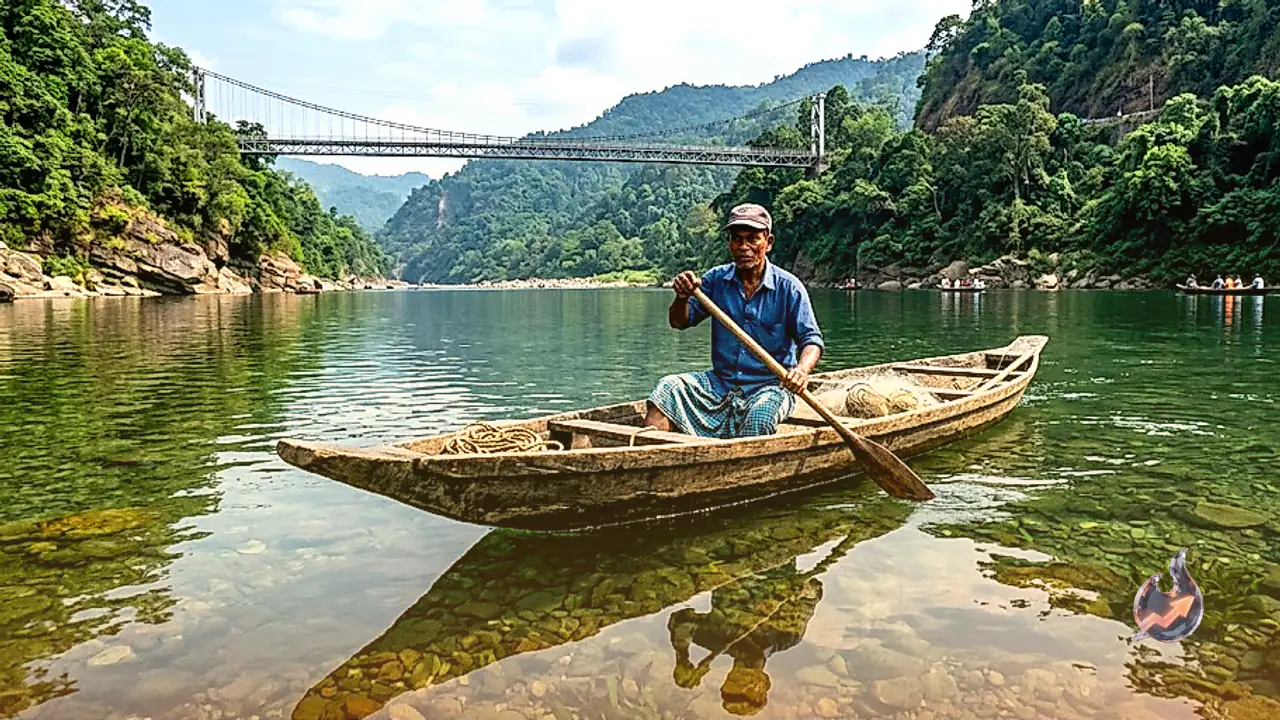

While river systems across many parts of India face relentless environmental pressure and darkening waters, the Umngot River in Meghalaya stands out as a striking symbol of natural purity. Widely recognized as the cleanest river in the country and commonly referred to as the Dawki River, its surface is remarkably tranquil and immaculate. Cruising along its stream gives visitors the surreal visual sensation of gliding directly across transparent glass rather than open water.
Pristine Depths That Reveal Underwater Life and Riverbeds
The defining feature of the Umngot River is its exceptional clarity, which allows observers on boats to see straight through to the riverbed without descending into the water. Smooth pebbles, rock formations, and aquatic creatures moving along the bottom are visible with sharp definition. For travelers, watching this unpolluted water flow creates a deeply calming, therapeutic atmosphere away from urban chaos. Preserving this rare ecological condition requires strict responsibility from visitors, who are urged never to discard trash, plastics, or waste into the river or its surroundings.
A Sharp Contrast With Nationwide River Quality
The pristine reality of the Umngot stands in dramatic opposition to the national river monitoring records compiled by the Central Pollution Control Board. Assessments across 271 distinct rivers identified 296 polluted stretches, revealing that approximately 43% of the monitored river reaches in India fail to satisfy safe water quality benchmarks. Untreated municipal sewage remains the predominant driver behind this widespread contamination, with upwards of 60% of urban wastewater draining straight into rivers without proper treatment. Hazardous industrial waste discharges and agricultural runoff further compound this widespread river degradation.
Optimal Visiting Windows and Travel Routes
Travelers seeking to experience the Umngot River at its most breathtaking should plan their visit between November and April. During these dry, pleasant months, the current calms and the water achieves its peak crystal-like clarity, ensuring optimal conditions for leisurely boat tours. By contrast, the monsoon season stirs up silt and swells water levels, eliminating water visibility and bringing recreational boating to a complete halt.
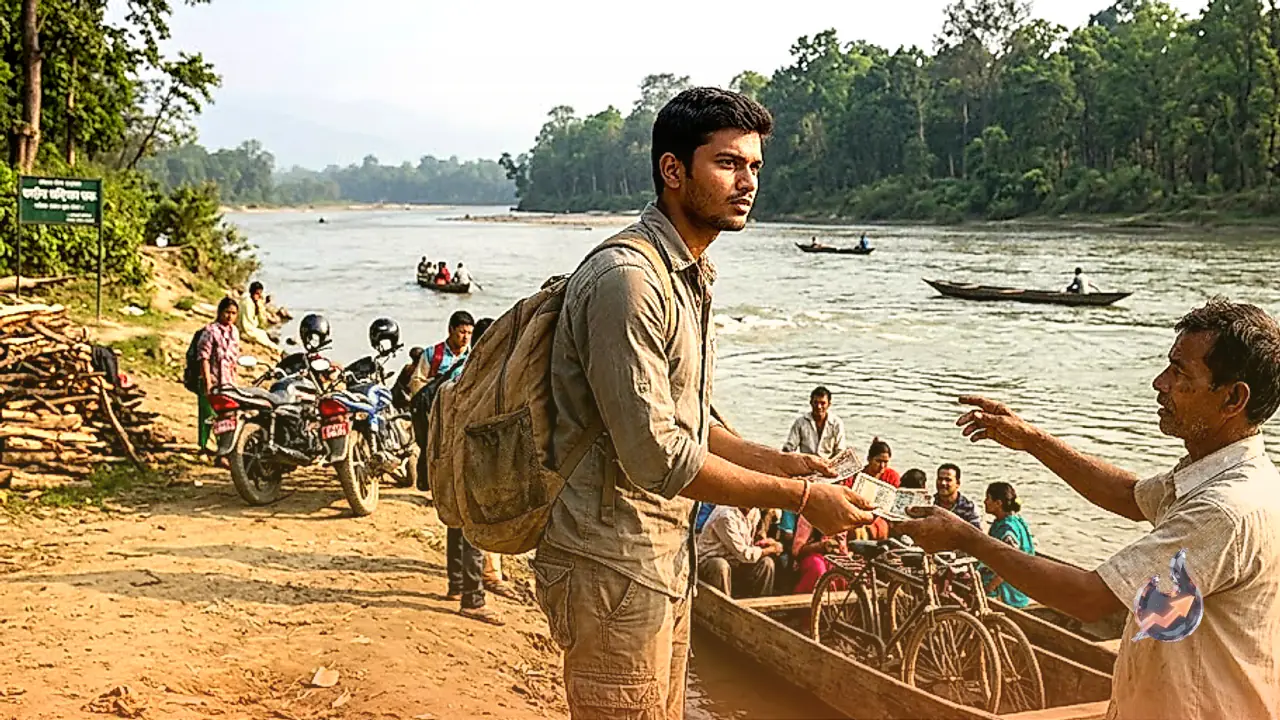
Geographically, the river flows past the town of Dawki close to the India-Bangladesh border, situated roughly 95 kilometers from Meghalaya's state capital, Shillong. Visitors can reach Guwahati or Shillong by train or air before embarking on a scenic road journey by hired cab to reach Dawki. Because the primary suspension bridge sector in Dawki often draws large gatherings of sightseers, travelers looking for a quieter, equally pristine stretch of the river can drive 8 kilometers farther along the riverbank to the scenic village of Shnongpdeng to board local boats in peace.