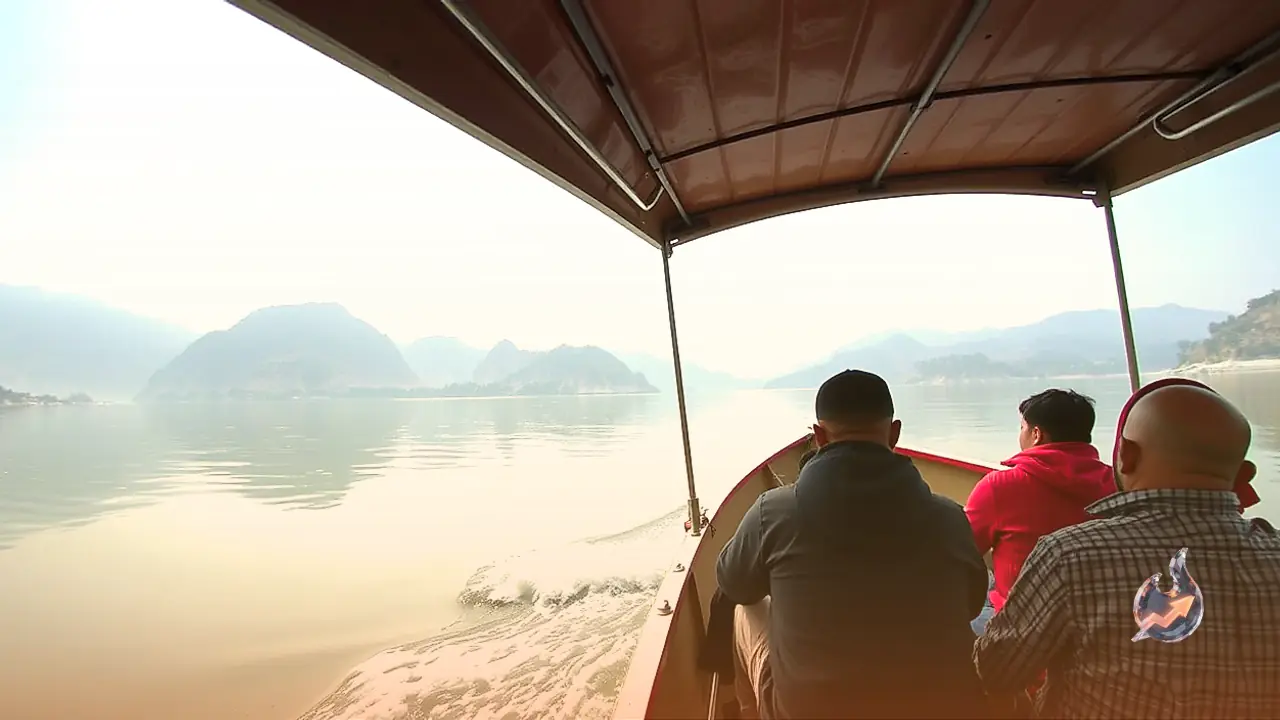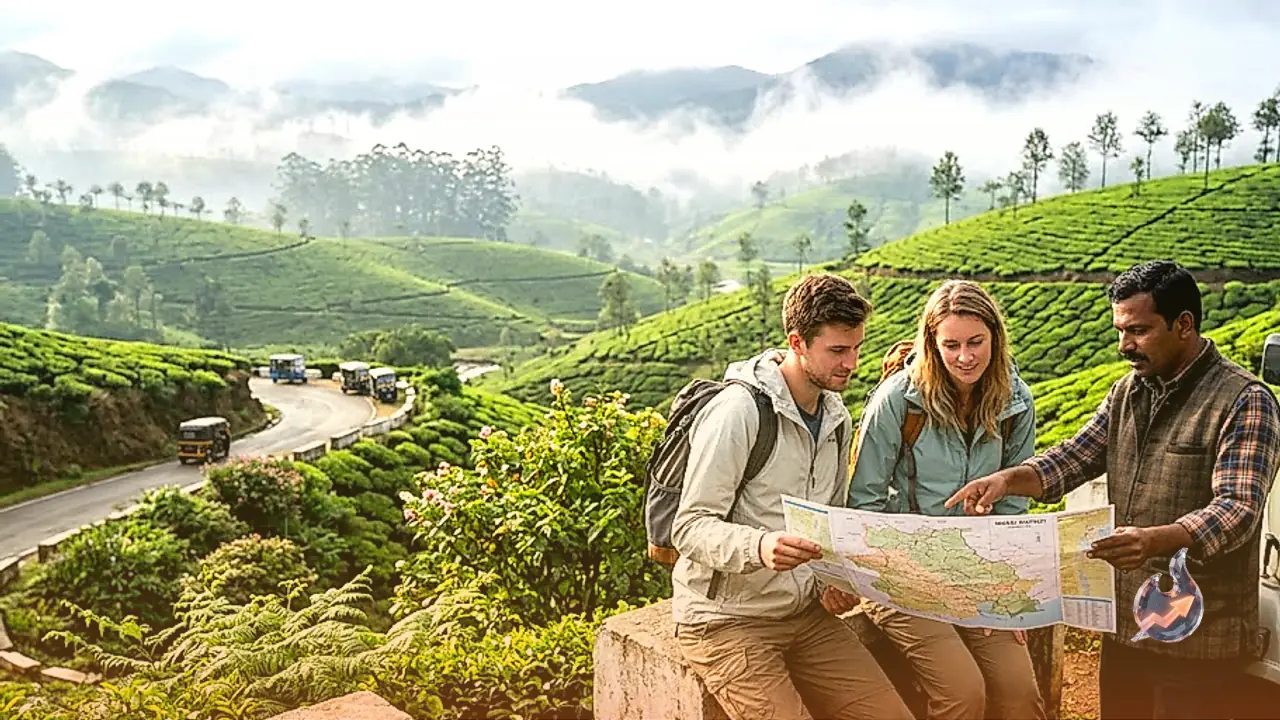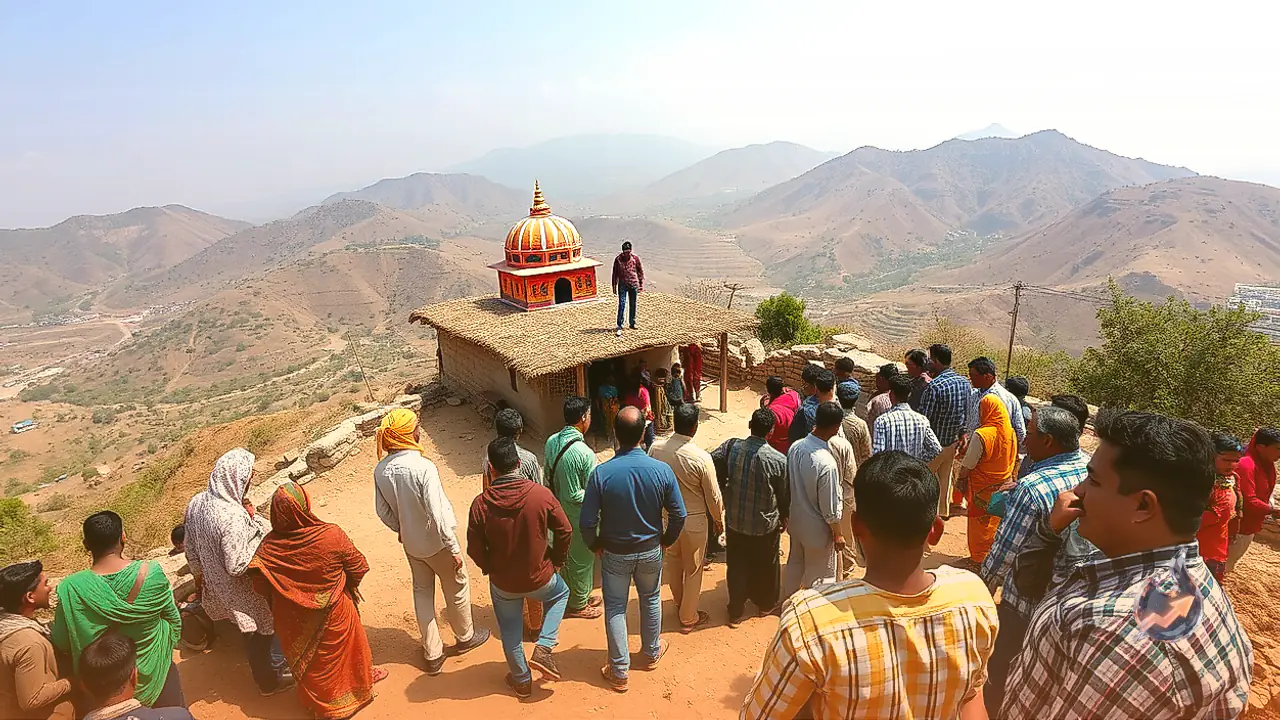




















Known widely as the Shimla of Rajasthan, the hill station of Mount Abu draws heavy monsoon crowds every year for its lush, misty valleys. But tucked away from the usual sightseeing routes are a handful of spots that most visitors never discover, simply because barely anyone knows they exist. Several of these places can only be reached on foot, via trekking trails and rugged hill paths, yet the views waiting at the end feel nothing short of heavenly.
The Nakki Lake to Sunset Point trail
Starting at Nakki Lake and cutting through the Mount Abu Sanctuary, this natural path leads all the way to Sunset Point. The trek covers roughly 3 kilometres of walking through the hills, and along the way, visitors pass through dense greenery and get glimpses of local wildlife, making it a favourite stretch for anyone who wants to experience the monsoon landscape up close rather than from a car window.
Table Rock View Point's flat summit
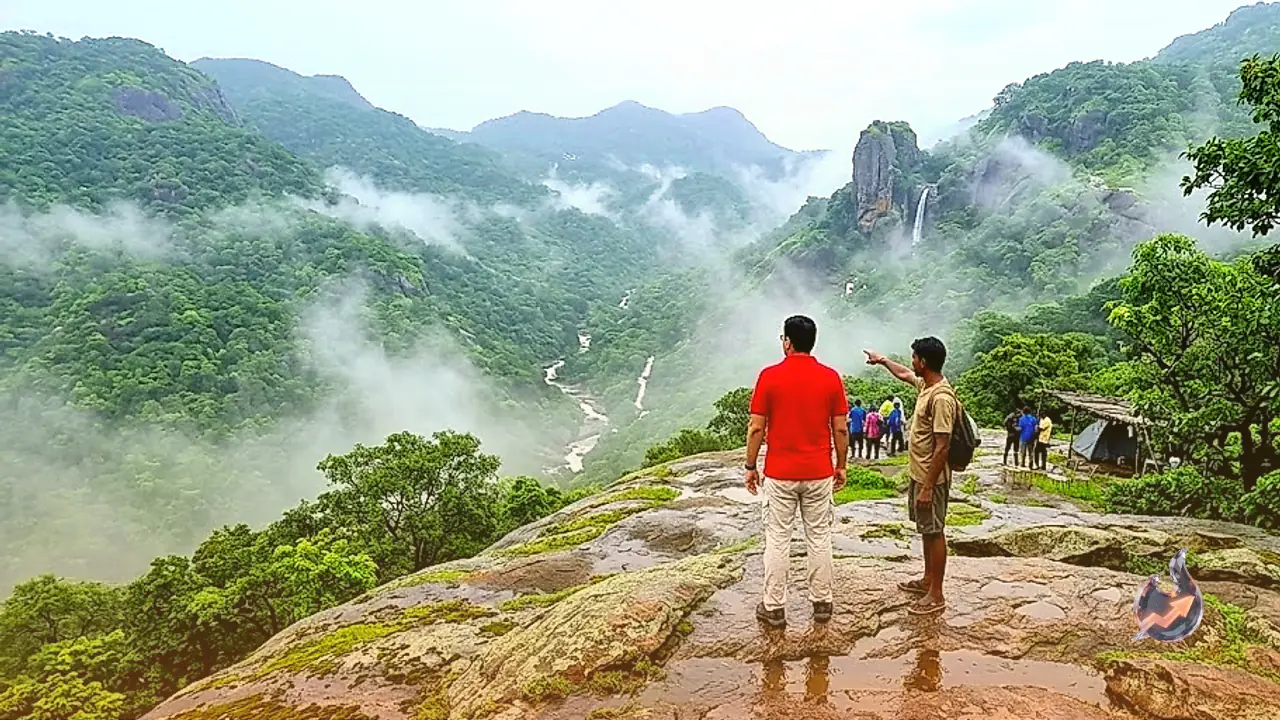
Table Rock View Point sits atop a hill and is, true to its name, remarkably flat, almost like a giant table. From here, the Aravalli hills stretch out below in what feels like a sky view. Reaching this spot requires a trekking guide, since the path is not an easy one, and once there, visitors can go beyond just sightseeing by camping at the location, turning a day trip into an overnight experience.
The Gaumukh trek and its religious significance
The Gaumukh trek at Mount Abu leads to the Gaumukh temple, one of the region's well known religious sites. Getting there means descending around 750 steps through the Aravalli hills. Just before the temple, a natural water source flows continuously from a statue shaped like a cow's face, or gaumukh, which is believed to be the reason the temple carries this name. The site is also said to have been the place of penance and the ashram of Vashistha, described as Lord Ram's family guru, giving the trek both spiritual weight and scenic beauty.
The quiet waterfall at Salgaon
A water source exists at Salgaon in Mount Abu, and during the rains it turns into a scenic waterfall. Surrounded on all sides by the Aravalli hills and thick forest, the spot offers a close, almost immersive brush with nature. Because it can only be reached by trekking on foot, very few people make the journey here, which is exactly what makes it feel so peaceful and undisturbed compared to the more crowded tourist spots nearby.
The old forest trail near Anadara Point
Near Anadara Point lies a natural trail that opens up beautiful monsoon views across Mount Abu's wildlife zone. Among jungle trekkers, this is considered an old and well known route. During the rainy season, the trail offers sweeping views of the lush green Aravalli valleys. Visitors here can soak in the calm as well as enjoy photography. To enter, trekkers need to pay a forest fee to the forest department for permission, and having a trained guide along is essential, so there is no risk of losing the way inside the jungle.
What ties all five spots together is that most of them demand some preparation beforehand, whether that is a stretch of walking, a trekking guide, or forest department permission. That is precisely why these places have stayed off the regular tourist map and largely untouched, and why anyone who does make the trek during the monsoon comes away with a sense of greenery and calm that is hard to find at Mount Abu's more crowded viewpoints.