


















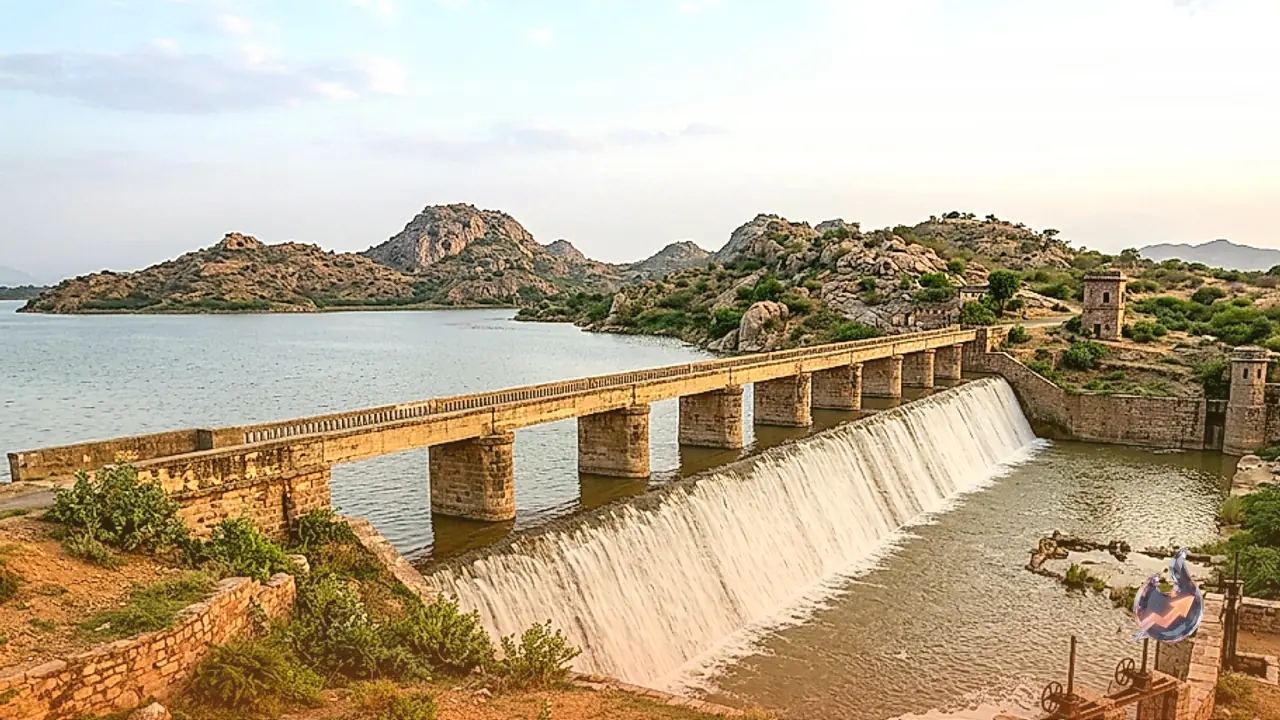

Nestled in Pali district, the Sardar Samand Dam stands as far more than just a water retention structure; it is an enduring monument to Marwar’s historic royal vision and sustainable water management. Recognized as the second largest reservoir in Western Rajasthan, this nearly 119-year-old engineering feature continues to captivate visitors with its scenic terrain and deep heritage roots. Constructed during the era of British rule, the sheer scale and practical utility of the dam left foreign administrators astonished at the time. Today, the lake fulfills a dual role as a crucial irrigation lifeline for local farmers and a serene destination for heritage tourism.
Construction Journey Between 1899 and 1906
The history of this impressive water body traces back to 1899, when initial construction commenced under the Marwar princely state. It required seven years of continuous planning and dedicated effort before the structure reached completion in 1906. Maharaja Sardar Singh of Marwar commissioned the reservoir to counter drought conditions and strengthen long term water security in the region, leading to the dam being named Sardar Samand in his honour. During an era when India was under British administration, colonial officials were deeply impressed by the Marwar regime's foresight, officially and informally dubbing the reservoir the Water Tank of Marwar.
Location, Catchment Basin, and Storage Specifications
Geographically positioned roughly 20 kilometres from the Pali district headquarters, the dam lies nestled within picturesque hill valleys. Owing to its natural surroundings, the reservoir has historically served as the primary water collection hub for the surrounding countryside.
A defining characteristic of the Sardar Samand Dam is its complete reliance on natural rainwater flowing into its catchment area, rather than feeding from artificial canal networks. Technically, the reservoir has a total storage capacity of 3,200 MCFT, with a maximum gauge height reaching 25 feet. When the dam reaches its full capacity during good rainfall years, it dramatically recharges the regional water table across nearby villages.
Agricultural Support and Ecological Sanctuary
In the agrarian belt of Marwar, where farming and livestock rearing form the mainstay of rural livelihoods, the Sardar Samand Dam remains an invaluable asset. It supplies essential irrigation water for fields while ensuring drinking supplies for livestock throughout dry periods. The sustained recharge of groundwater ensures that agricultural wells across neighboring villages maintain reliable levels year round.
During the monsoon season, as fresh rainfall refills the expansive reservoir, the area undergoes a vibrant ecological transformation. The peaceful atmosphere and surrounding green cover attract diverse species of native and migratory birds, turning the dam into a favorite destination for birdwatchers and naturalists.
Heritage Hospitality and Sunset Vistas
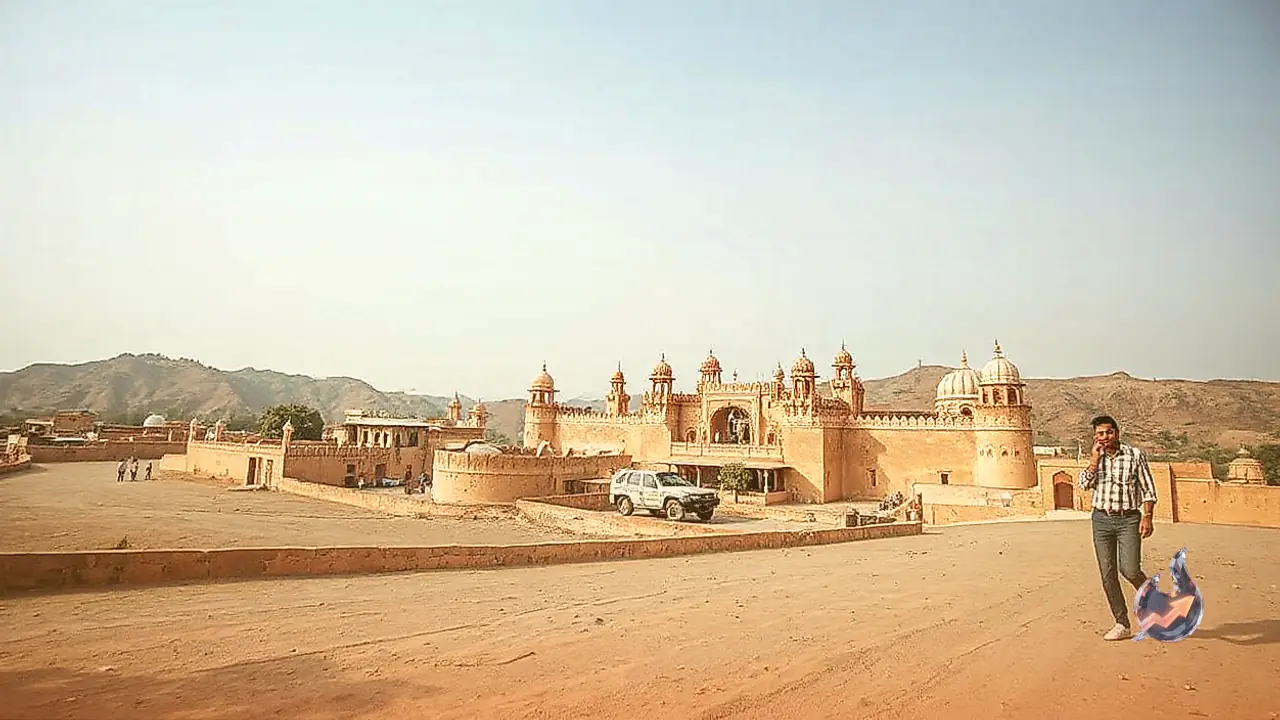
Beyond its agricultural and hydrologic significance, Sardar Samand Dam has evolved into a noted weekend getaway for travelers. Situated on a hill overlooking the reservoir, an original royal palace operates as a premium heritage hotel. The management and preservation of this historic property are actively overseen by members of the royal family of Jodhpur and Marwar.
Framed against the backdrop of the Aravali foothills, the lake offers breathtaking evening views. As the sun sets, casting golden reflections across the water, tourists and photography enthusiasts gather to take in the landscape, making it a prominent landmark in Rajasthan’s tourism map.