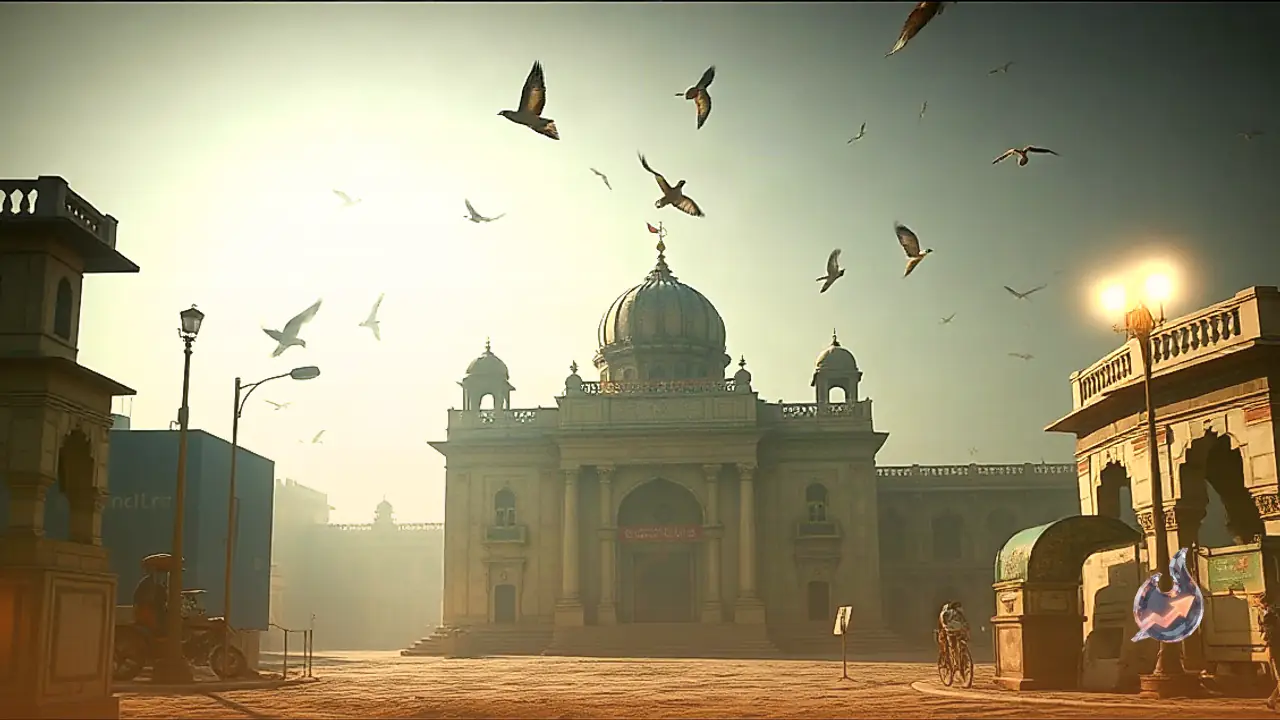
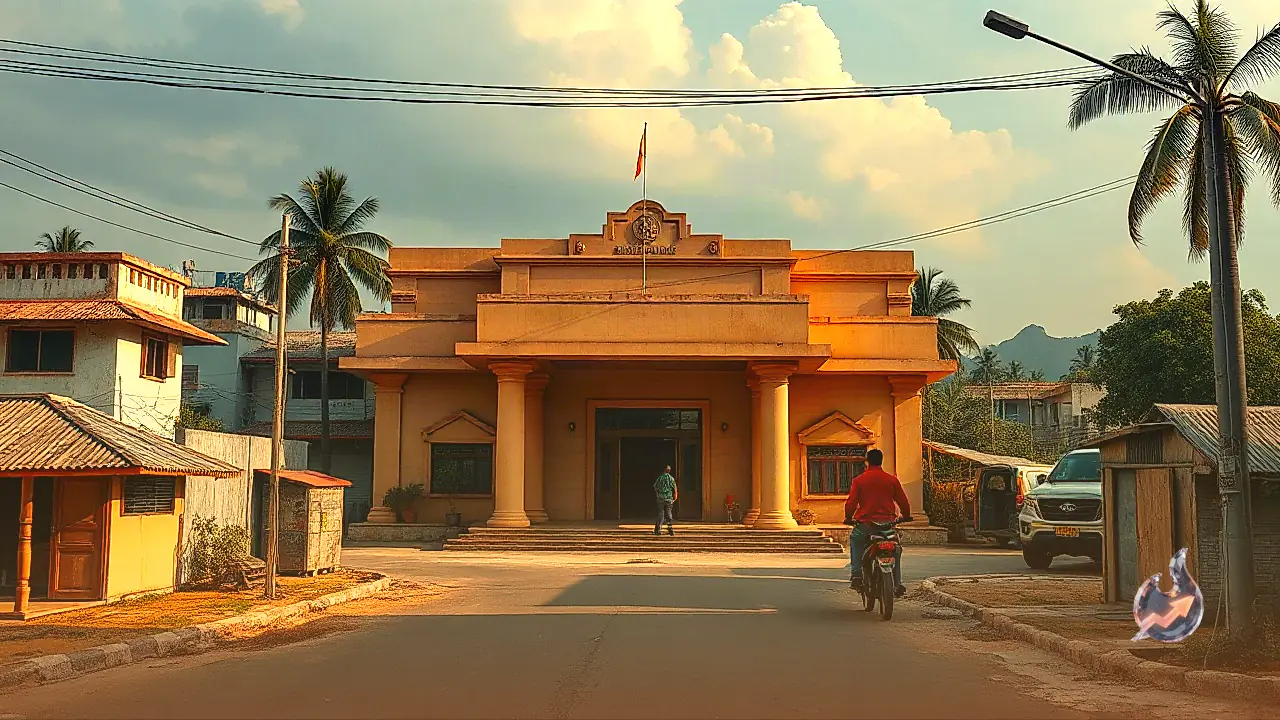
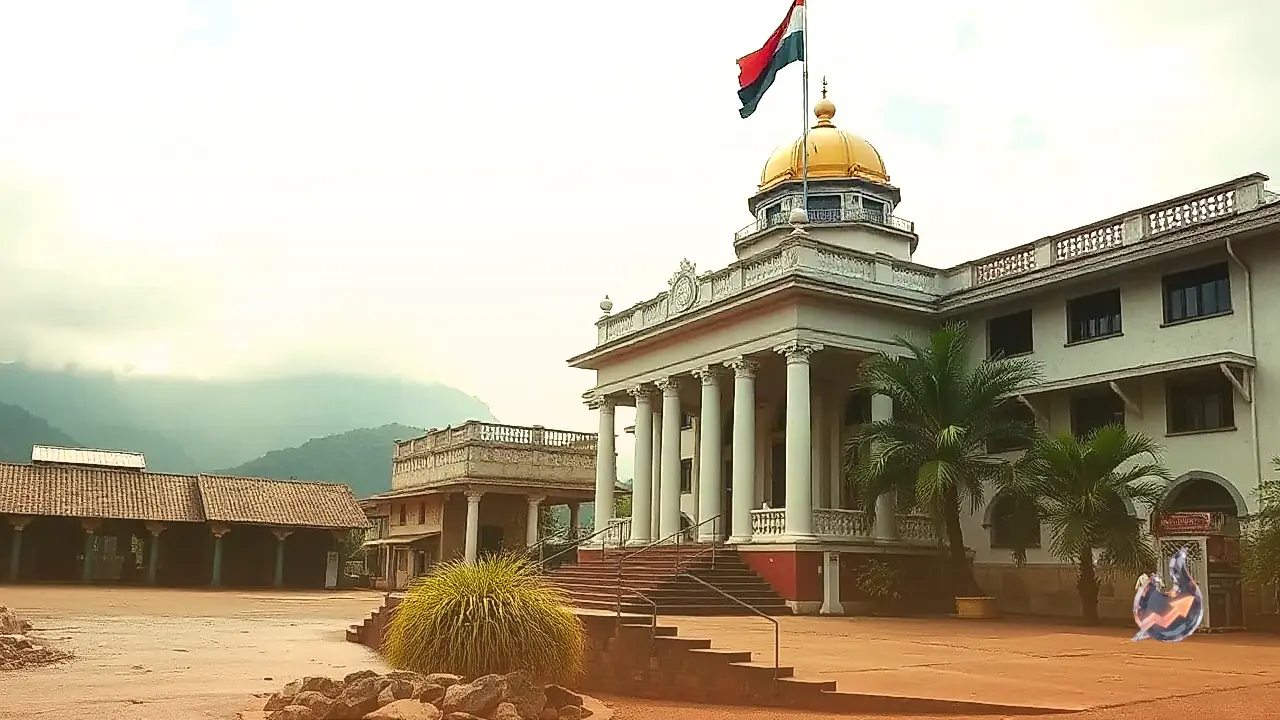















Renowned globally as the City of Lakes, Udaipur in Rajasthan is celebrated for its majestic heritage and regal architecture. However, located approximately 50 kilometers away from the main city center lies an extraordinary historical site whose appeal extends far beyond conventional stone craftsmanship. Situated along the banks of Jaisamand Lake—the largest freshwater lake in Rajasthan—stands an ancient palace that draws visitors not merely for its architectural splendor, but for the deeply emotional and tragic romantic saga bound to its walls. Known locally as the Ruthee Rani Mahal, or the Palace of the Displeased Queen, this site continues to intrigue every traveler eager to uncover a 300-year-old story of royal pride and unspoken grief.
Construction of Jaisamand Lake and Hawa Mahal: The 1685–1691 Heritage Era
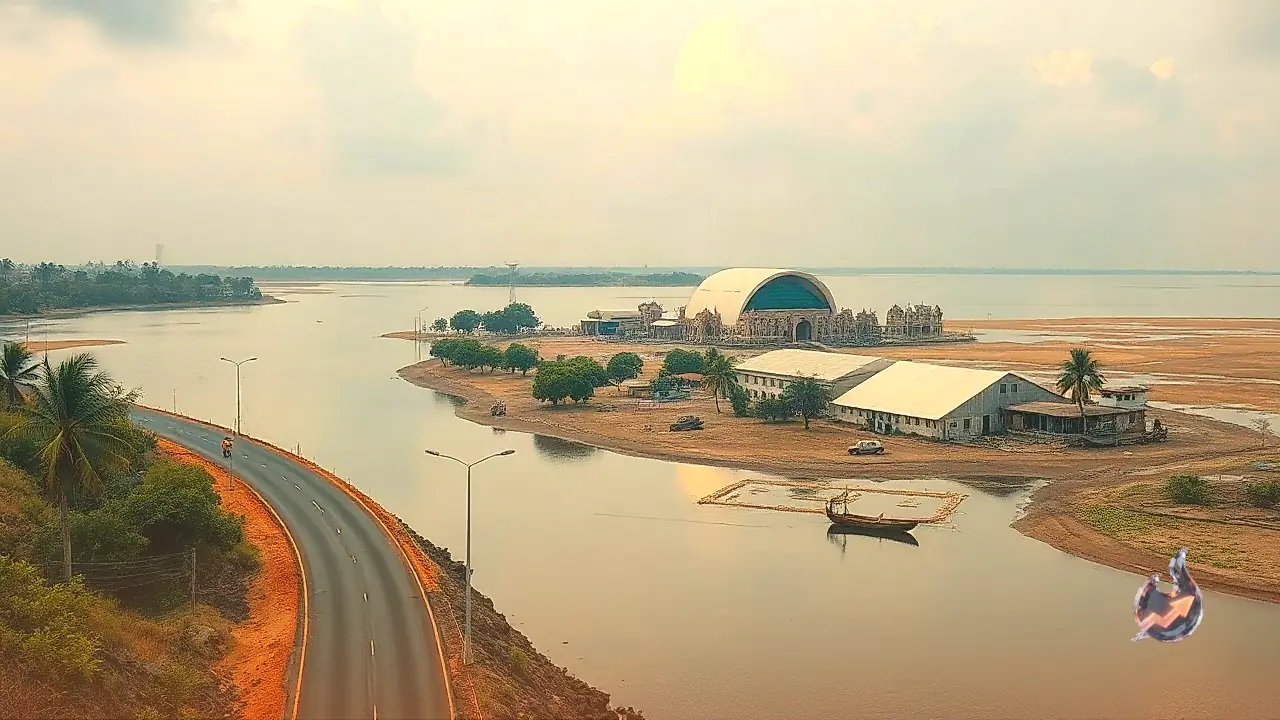
According to historical records and experts on Mewar heritage, the foundations of this entire complex were laid during the late 17th century. Maharana Jai Singh, the visionary ruler of Mewar, commissioned and completed the construction of Jaisamand Lake between the years 1685 and 1691 to harvest local water resources. Alongside the creation of this vast water body, a grand lakeside palace was erected right on the shoreline. Simultaneously, two striking and elegant pavilions were built atop the adjacent hill overlooking the expanse of the lake.
Nestled amidst the scenic backdrop of the Aravalli mountain range, these hilltop structures were specifically designed to capture the cool, invigorating breezes that continuously swept through the elevated terrain from all four directions. Due to this natural airflow, the hill pavilions eventually earned the popular moniker of Hawa Mahal. Surrounded by the raw natural beauty of the Aravallis, the entire complex remains a fine testament to traditional Mewar architectural brilliance and sophisticated water management systems of the era.
A Wedding Night Delay and Eternal Resentment: How the Palace Earned Its Name
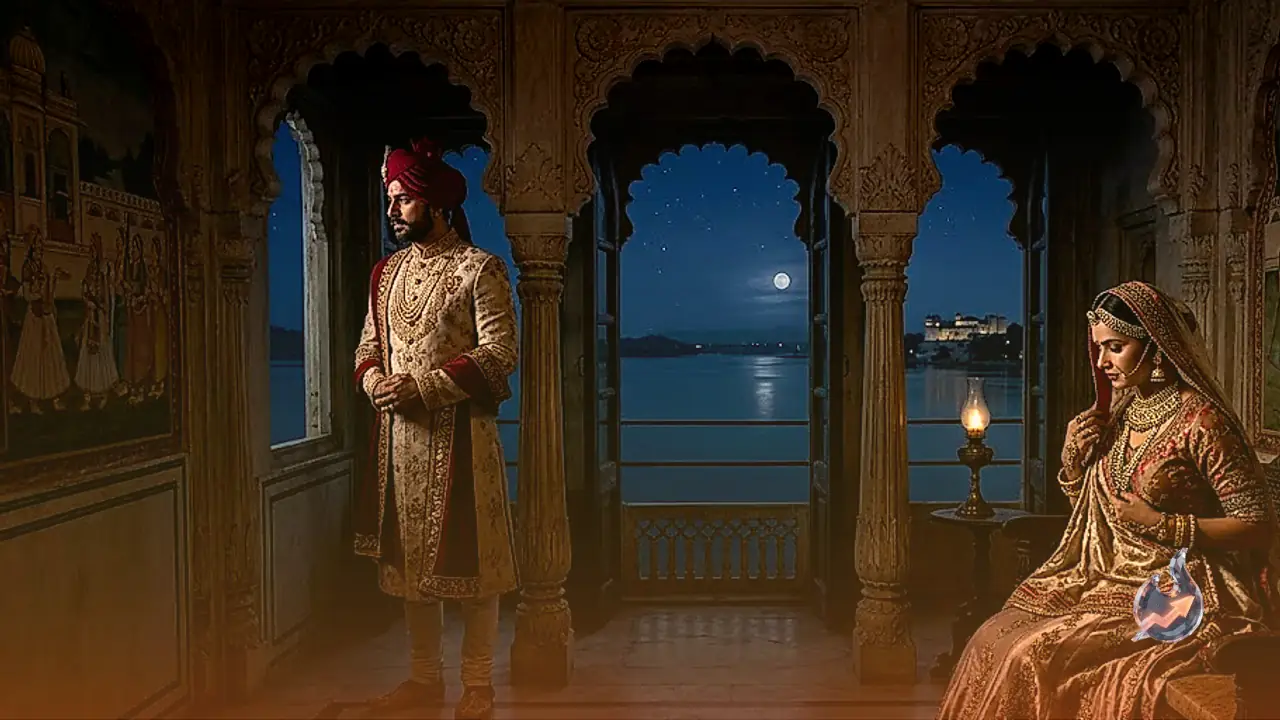
While the architectural layout of the site holds significant historical merit, its true fame stems from a poignant human story. Local accounts and historians record that Maharana Jai Singh married Princess Kamladevi, who belonged to the noble Parmar dynasty of Bijolia. On their wedding night, an unexpected and critical administrative crisis demanded the immediate attention of the Maharana. Bound by his duties as ruler, Maharana Jai Singh became absorbed in urgent state affairs, which delayed his arrival at the royal quarters until very late in the evening.
Deeply hurt and offended by this delay on her wedding night, Princess Kamladevi took the Maharana's late arrival as a severe personal slight. Refusing to compromise her self-respect, the queen immediately abandoned the primary royal palace in Udaipur and relocated to the isolated residence built on the banks of Jaisamand Lake. Though political conditions in Mewar shifted over the passing years, Queen Kamladevi's displeasure remained unyielding. She spent a substantial portion of her remaining life residing within this lakeside retreat, vowing never to set foot inside the main royal palace again. Over time, her permanent isolation and unresolved resentment gave the structure its legendary name, Ruthee Rani Mahal.
Monsoon Splendor and the Enduring Legacy of Mewar History
In contemporary times, this historic palace serves as a captivating destination for historians, photography enthusiasts, and travelers from around the globe. The serene environment of Jaisamand Lake, combined with the rolling green slopes of the Aravalli hills and the weathered archways of the palace, offers visitors an immersive journey into Mewar's golden historic past.
The natural appeal of the site undergoes a dramatic transformation during the monsoon season. As heavy rains fill Jaisamand Lake to its maximum capacity, the mirror-like water surface reflects the ancient structure against the backdrop of lush greenery, elevating its visual beauty manifold. The ambient cool climate during this period makes visiting the palace a memorable experience.
A Unique Blend of History and Folklore for Global Tourists
Tourism experts highlight that most travelers visiting Jaisamand do not restrict their itinerary to the natural scenery of the lake alone. Exploring the historic corridors of the Ruthee Rani Mahal is considered an essential highlight of the regional tour. The seamless integration of documented history and generational folklore provides this destination with a distinct identity compared to other tourist spots across Rajasthan.
Both domestic and international tourists visiting Udaipur flock to the site to capture its timeless architecture on camera while listening to local storytellers narrate Princess Kamladevi's tale of pride and detachment. Standing as a silent guardian of Mewar's historic pride and an unfulfilled love story, the palace silently preserves over three centuries of heritage along the quiet waters of Jaisamand.