


















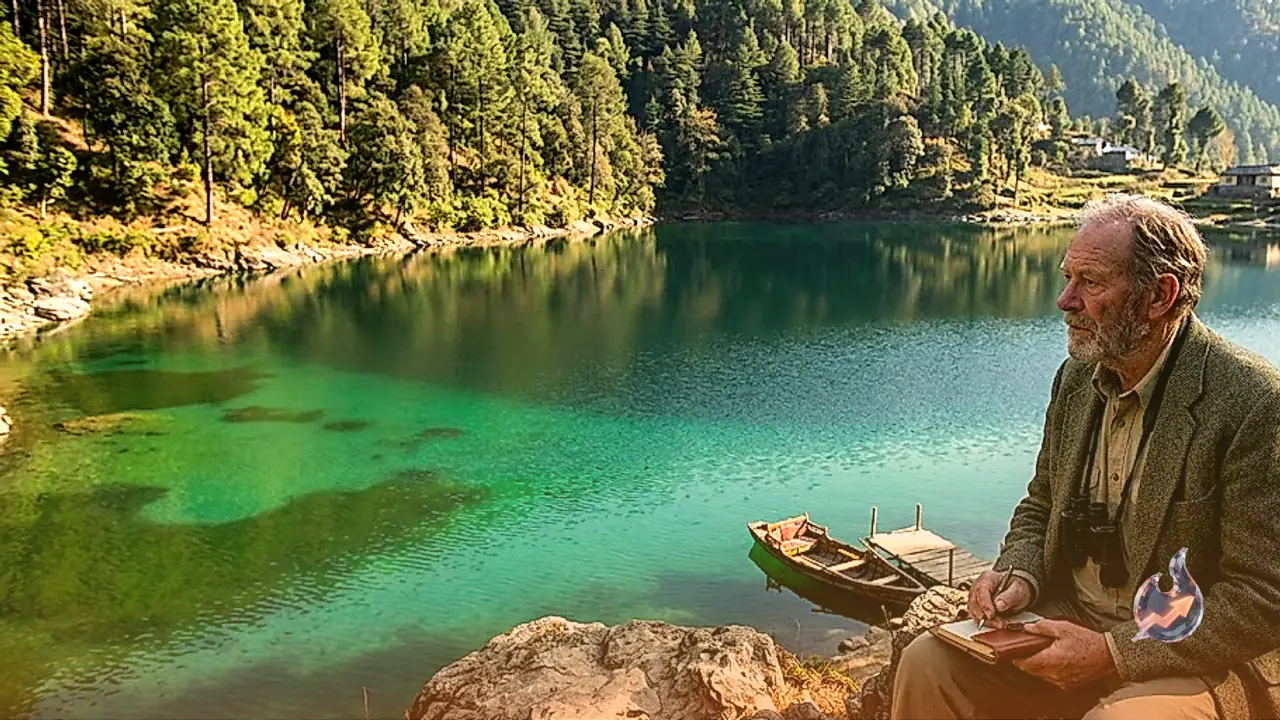

Travelers heading to the popular hill station of Nainital in Uttarakhand often seek quiet, pristine spots away from the crowded central town area. Nestled amidst towering mountains approximately 12 kilometers from the district headquarters, Khurpatal Lake serves as an enchanting destination for such solitude seekers. The natural charm of this entire belt reaches its peak during the monsoon season. Dense green foliage covering the hills after rains, misty clouds hanging low over the peaks, and the serene waters of the lake offer visitors a deeply refreshing experience. Consequently, Khurpatal has consistently remained a prime attraction for nature enthusiasts and peaceful vacationers.
Scientific and Natural Factors Behind the Changing Colors of the Lake
The most fascinating characteristic of Khurpatal is the recurring phenomenon of its changing water colors. Local residents and tourists frequently observe that the lake displays shades ranging from deep green to light green and occasionally other distinct hues. According to environmental experts and researchers, this optical transformation is not an mystical event but rather the outcome of natural and physical processes. The color of the lake water is directly influenced by weather conditions, the intensity of sunlight, the shadows cast by surrounding forest vegetation, and the chemical or organic composition of the water itself. Additionally, freshwater flowing into the lake from surrounding slopes during the rainy season alters both its transparency and visual tone.
A key factor responsible for these color variations is the presence of diverse algal species living within the lake. When sunlight penetrates the water surface and interacts with these algae, light reflection and biological reactions cause the water to exhibit different colors depending on the angle of view. Factors such as total algal concentration, water depth, ambient temperature, and sunlight duration collectively drive this process. Furthermore, during March and April, the lake water takes on a distinct light green hue. In this spring period, blossoms from nearby pine trees and surrounding flora fall onto the water, modifying the surface reflection. Thus, a combination of season, sunlight, and botanical elements endows Khurpatal with its ever-changing appearance.
Local Myths and Traditional Beliefs Linked to Color Shifts
Beyond scientific reasoning, several traditional beliefs and folklore surround the color variations of Khurpatal among local communities. For generations, residents have associated the changing shades of the lake with predictions about future events. According to local traditions, if the lake water turns a light reddish shade, it is viewed as an omen portending upcoming disasters or natural calamities. Conversely, when the water turns a soft light green, it is celebrated as a herald of prosperity, happiness, and good fortune for the region. Although these traditional beliefs lack empirical or scientific validation, they continue to add an aura of mystery that sparks immense curiosity among visiting tourists.
Geographical Contours and the Origins of the Name Khurpatal
The naming of Khurpatal is deeply rooted in its peculiar geographical shape and local heritage. Information shared by long-time residents indicates that when viewed from the elevated slopes of the surrounding hills, the outline of the lake resembles the shape of a cow's hoof. In the local dialect, a hoof is referred to as a "Khur", which led to the waterbody being named Khurpatal. Encircled by lush green mountains, the lake presents a picture-postcard view when seen from a distance. Its tranquil surroundings, cool mountain breezes, and picturesque landscape give it a unique identity among tourist destinations around Nainital.
Historical Association with Renowned Hunter and Author Jim Corbett
The significance of Khurpatal extends into historical lore through its connection with the famous hunter and naturalist writer Jim Corbett. Historical accounts reveal that Corbett was deeply fond of the peaceful atmosphere and unspoiled natural scenery of this hilly pocket. Whenever his travels took him toward Ramnagar, he made it a point to halt at this scenic lake to spend time in quiet reflection. References to Khurpatal are also found in Jim Corbett's autobiography, further enhancing the historical heritage of the site. His writings indicate that the lake has been a beloved retreat for nature lovers since the British era.
Monsoon Transformation and Appeal for Photographers
The arrival of the monsoon brings a dramatic transformation to the entire landscape of Khurpatal. Rains nourish the forest canopy, turning the surrounding hillsides vivid green, while clouds float gently right above the lake surface. Rainwater streaming down from the higher ridges revitalizes the reservoir, refreshing its clarity and altering the play of light on the water. During this season, every corner of Khurpatal exudes scenic charm, making it a compelling spot for casual travelers and photography enthusiasts alike, who flock here to capture the misty mountain views.
Environmental Preservation Concerns and Responsible Tourism
While the rising popularity of Khurpatal brings tourism to the area, local residents have voiced growing concern regarding the ecological preservation of the lake environment. Residents emphasize that adequate measures must be implemented to safeguard the lake and its fragile surrounding ecosystem. The influx of visitors places increased environmental pressure on the region. Maintaining absolute cleanliness in and around the lake, preventing plastic pollution and littering, and protecting the surrounding forests are deemed critical. Local stakeholders stress that only responsible tourism practices can preserve Khurpatal's pristine beauty and unique heritage for future generations.