



















The famous Pindari Glacier trekking route, located amidst the majestic high Himalayas in the Bageshwar district of Uttarakhand, has officially been closed for the winter season starting November 15. Authorities have suspended all trekking and tourist activities in the region due to deteriorating weather conditions, heavy snowfall, and freezing temperatures. Trekkers and adventure enthusiasts hoping to explore this iconic Himalayan trail will now have to wait until next spring. If weather conditions remain favorable, the route is scheduled to reopen to tourists from April 15, 2027.
Severe Winter Conditions and Safety Considerations
By mid-November, temperatures across the higher reaches of the Kumaon Himalayas plunge dramatically below freezing point. Severe cold spells combined with heavy snow accumulation make the narrow mountain paths treacherous and prone to extreme slipperiness. Unpredictable high-altitude weather patterns, sudden blizzards, and dense fog further compound the hazards for long-distance hikers.
To eliminate safety risks and protect tourists from potential casualties or getting stranded in isolated regions, local authorities enforce a routine seasonal closure every year from November 15. The trail remains strictly out of bounds through the winter months until the arrival of warmer weather allows for safe passage starting around mid-April.
The Scenic Journey from Kapkot to Zero Point
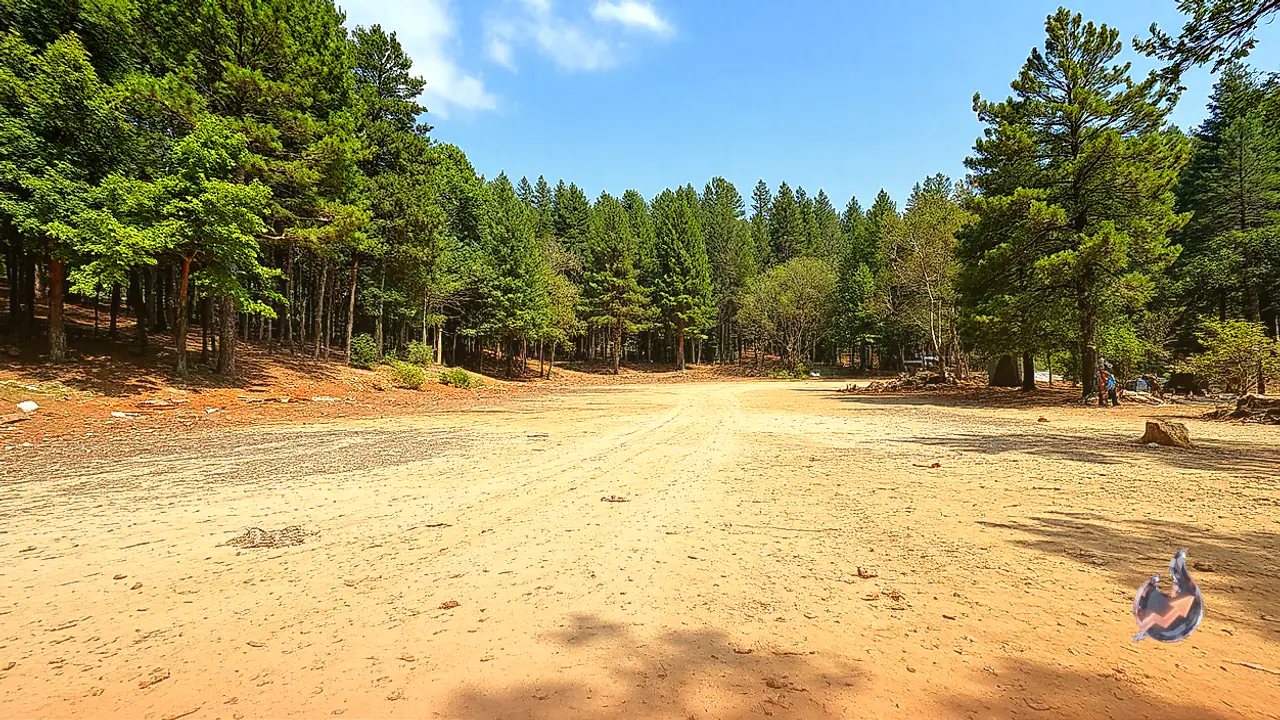
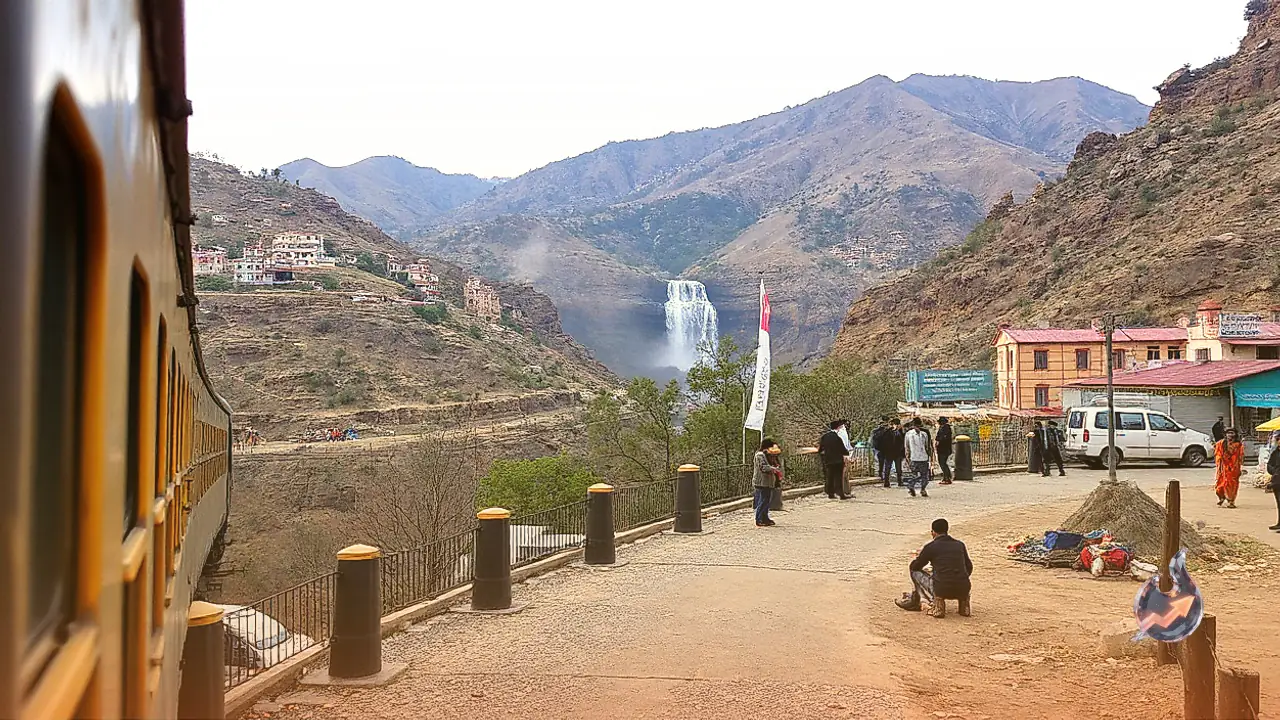
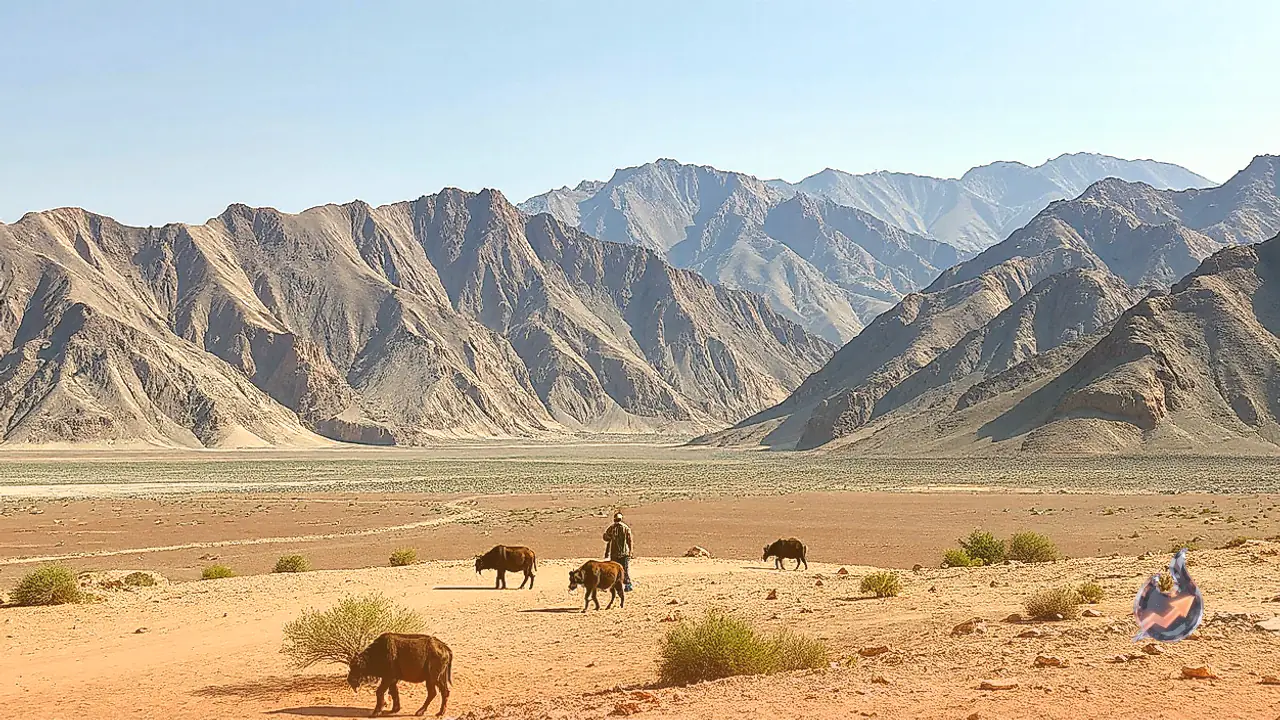
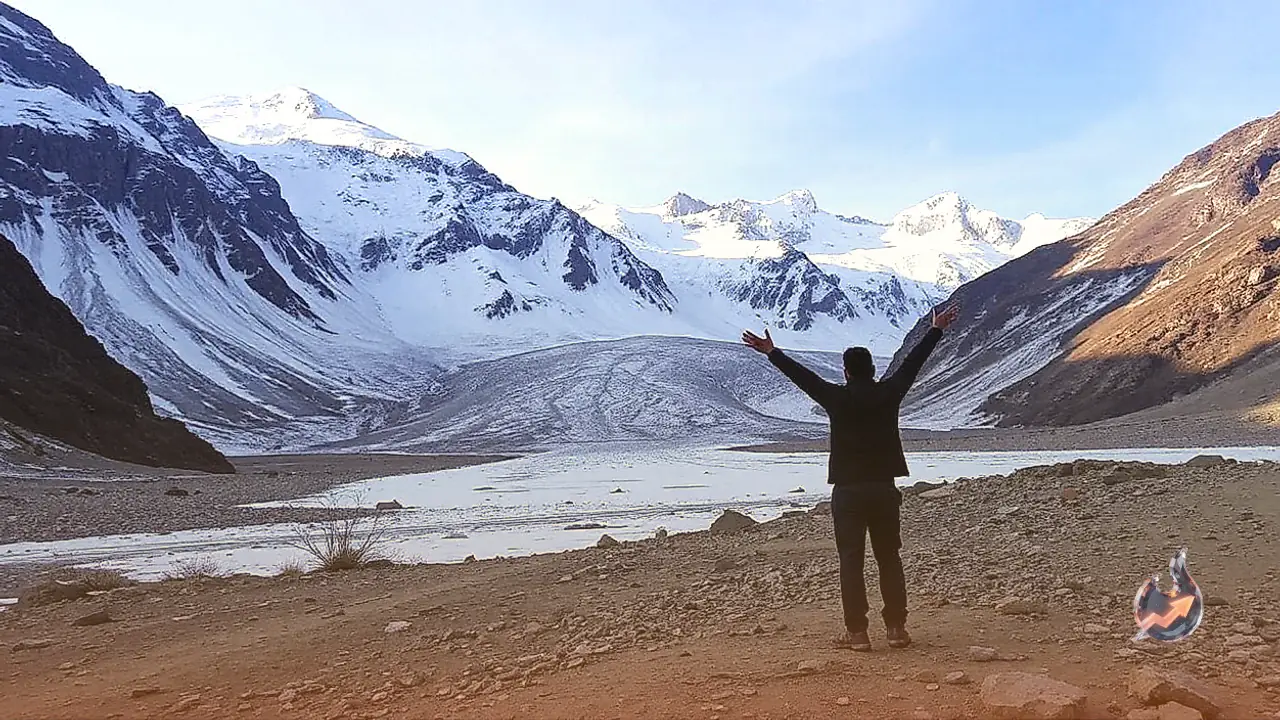
Renowned as one of Uttarakhand's premier adventure destinations, the Pindari Glacier trek attracts thousands of domestic and international visitors each year. The route showcases a pristine landscape featuring snow-capped Himalayan peaks, dense alpine forests, roaring mountain rivers, and lush high-altitude meadows known as bugyals.
The journey begins from the Kapkot block in Bageshwar district. Visitors travel by road through Saung and Kharkiya before reaching Khati, which serves as the final inhabited village and the primary base camp of the trek. Beyond Khati, the road ends and the foot trek commences. Hikers navigate through dense forests and rugged terrain, halting at key intermediate camps such as Dwali and Phurkia before ultimately reaching the Zero Point of Pindari Glacier, where they get up-close views of the massive ice formations and surrounding peaks.
Mandatory Registration and Safety Protocols for Next Season
When the trekking season resumes on April 15, 2027, strict entry protocols will be enforced by the Uttarakhand Forest Department. All visiting tourists and trekkers will be required to register at designated eco-tourism centers prior to setting out on the trail. This registration process ensures a comprehensive log of every individual present on the route, facilitating rapid emergency response and search-and-rescue operations if required.
Authorities also urge all prospective trekkers to keep a close watch on weather forecasts prior to commencing their journey, equip themselves with appropriate high-altitude cold-weather gear, and strictly adhere to environmental protection norms along the fragile Himalayan trail.
Impact on Rural Economy and Local Livelihoods
Beyond its tourist appeal, the Pindari Glacier trek forms the financial backbone of remote mountain communities in the Bageshwar district. During the active trekking months, villages such as Khati experience a steady influx of travelers. This seasonal tourism provides crucial income sources for local residents through homestays, trekking guide services, porter equipment transport, and roadside eateries.
With the seasonal shutdown now in effect, economic activities along the trail come to a complete halt until April. Local villagers and hospitality providers must now wait out the harsh winter months until the reopening of the trek brings tourists and economic vitality back to the region.