




















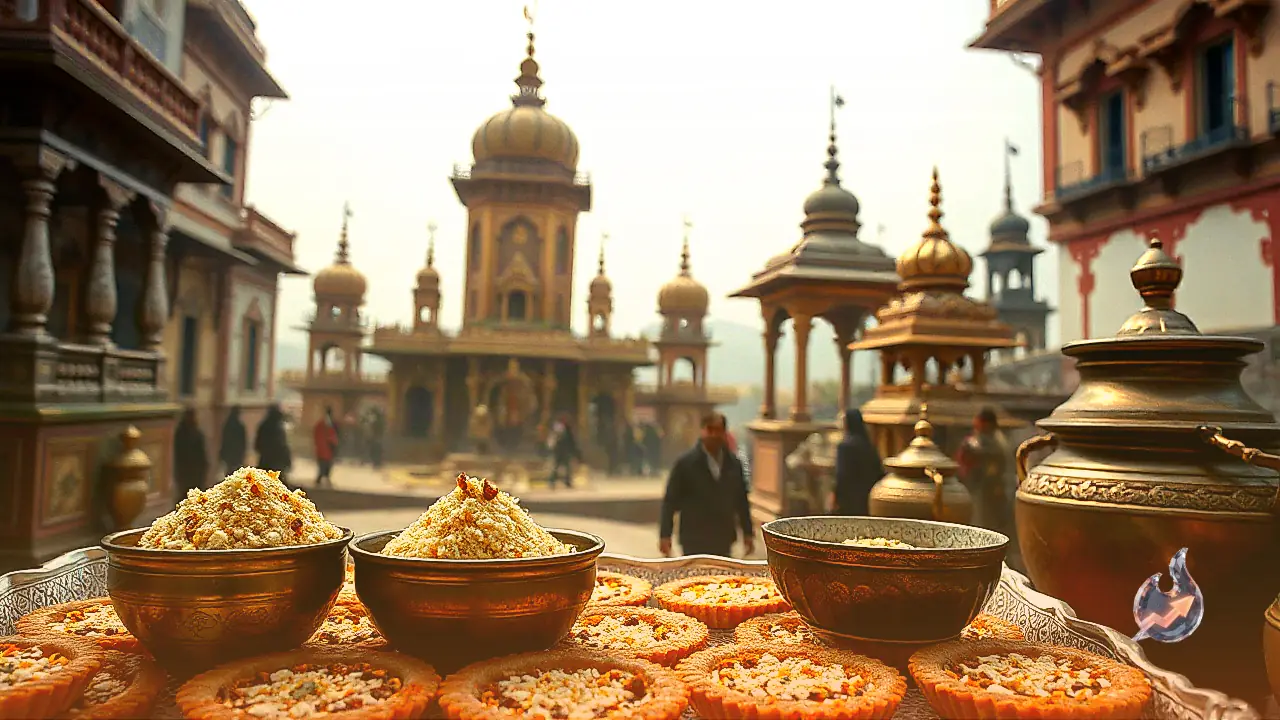

With the arrival of the auspicious Ganesh festival, homes fill with spiritual energy as families install idols of Lord Ganesha and begin preparations for sacred food offerings. Traditional sweets such as modaks and laddoos invariably take center stage during these ten days. However, households seeking an alternative festive dessert that is quick to prepare without compromising on tradition or richness will find semolina kesar sheera to be an outstanding option. Cooked with pure clarified butter, fragrant saffron strands, warm milk, and roasted semolina, this classic pudding delivers a distinct festive aroma, a vibrant golden hue, and a melt-in-the-mouth texture that delights family members and visiting devotees alike once prayers conclude.
The Appeal of Kesar Sheera During Festive Rush
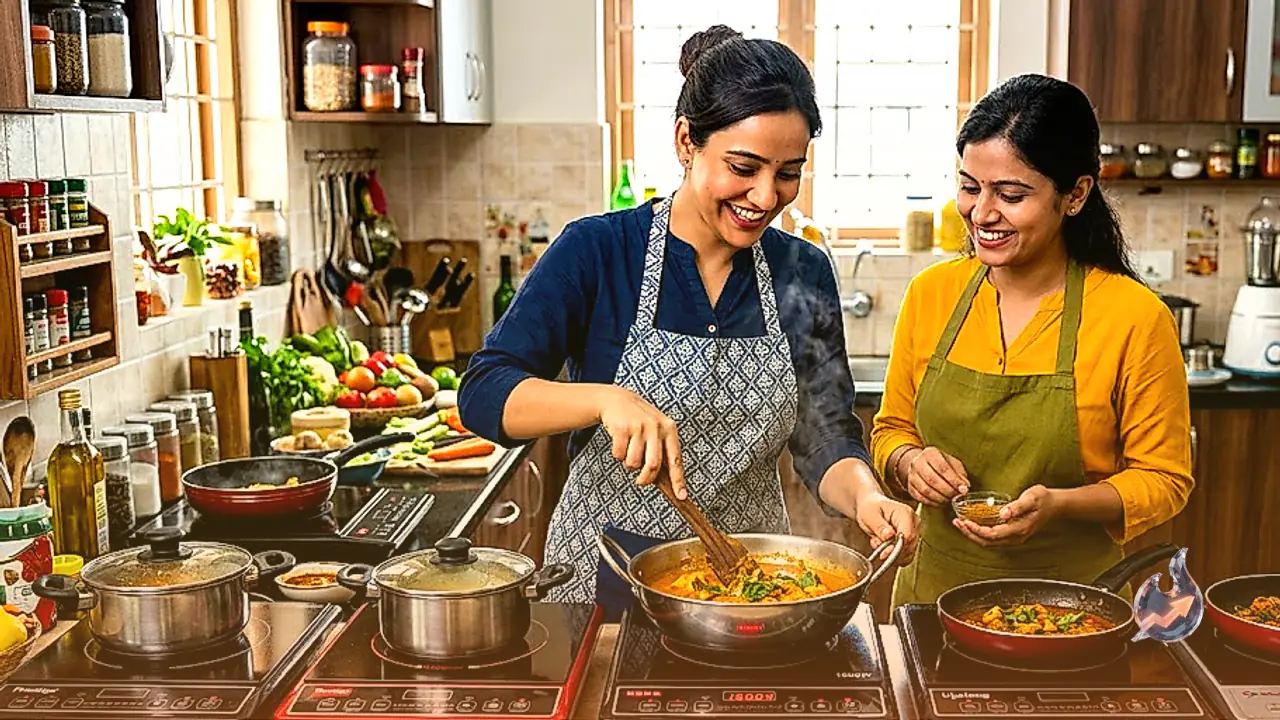
Festival mornings are often packed with rituals, decor work, and greeting guests, making it difficult to spend hours managing complicated confectioneries over a hot stove. Semolina kesar sheera addresses this challenge directly because it relies on basic kitchen pantry ingredients and cooks in a relatively short window of time. The overall profile of the dish is balanced and gently sweet, rich with the richness of clarified butter without being excessively heavy. Semolina serves as the primary base, while warm saffron-infused milk imparts a velvety texture and an inviting yellow tone. The addition of crunchy cashews, almonds, and sweet raisins brings delightful textural contrast to every bite.
Required Ingredients and Ideal Proportions
Achieving the perfect texture in kesar sheera requires strict adherence to ingredient ratios. The recipe calls for 1 cup of semolina, 3/4 cup of pure desi ghee, 3/4 cup of granulated sugar, and 2 cups of milk. For aromatic enhancement and rich color, prepare 15 to 20 strands of saffron and half a teaspoon of freshly ground green cardamom powder. For nuts and dry fruit garnish, keep ready 10 to 12 cashew nuts, 10 to 12 almonds, and 1 tablespoon of raisins. While nut lovers can modestly adjust the quantities to suit individual preferences, maintaining a balanced ratio keeps the sweet light and well suited for sacred offerings.
Infusing Saffron and Roasting the Dry Fruits
Preparation begins by gently warming 2 cups of milk until lukewarm. Drop the 15 to 20 saffron threads directly into the warm liquid, stir lightly, and let the mixture rest undisturbed for approximately 10 to 15 minutes. This soaking window allows the saffron to release its golden color and soothing floral aroma thoroughly into the milk. Next, place a wide heavy-bottomed pan on the stove and heat 1 tablespoon of pure desi ghee. Add the chopped cashews and almonds, tossing them over low heat until they develop a pale golden sheen. Avoid over-roasting the nuts, as prolonged frying can make dry fruits bitter. Once lightly crisped, transfer the roasted nuts immediately to a separate plate.
Technique for Perfectly Roasted Semolina
In the same pan, pour in the remaining portion of the 3/4 cup of clarified butter. Allow the ghee to melt completely over low heat before tipping in the 1 cup of semolina. Begin stirring the semolina continuously with a spatula over a steady low flame. Uniform, constant stirring is critical at this stage to prevent the grains from sticking to the bottom or scorching unevenly. Roasting at too high a flame risks burning the exterior while leaving the inner grain raw. Continue stirring until the semolina turns a light golden shade and a warm, nutty aroma fills the kitchen, indicating that the rava is roasted through to perfection.
Adding Saffron Milk Without Forming Lumps
Incorporating the liquid into the hot, roasted semolina represents the most delicate phase of the recipe. Take the warm saffron-infused milk and pour it gradually into the pan in a steady, thin stream. Simultaneously, use your other hand to stir the mixture vigorously and continuously. This active motion prevents lumps and clumps from forming inside the swelling semolina grains. Almost immediately, the semolina absorbs the warm milk and the mixture begins thickening into a cohesive mass. Keep stirring and cooking the batter over low-medium heat for about two minutes as the grains soften and expand.
Sweetening and Final Cooking Phase
Once the milk is completely absorbed into the semolina, add 3/4 cup of granulated sugar, half a teaspoon of cardamom powder, and the previously roasted cashews and almonds. Add the 1 tablespoon of raisins at this exact moment as well. As the sugar begins to melt under the residual heat, the sheera will temporarily loosen and appear slightly runny. This transition is entirely natural; continue cooking and gently stirring over a low flame for 2 to 3 minutes. As the sugar syrup integrates into the softened semolina, the pudding re-thickens, turns glossy, and cleanly pulls away from the sides and bottom of the pan. Once this smooth consistency is attained, switch off the heat immediately.
Serving the Sacred Offering and Final Tips
Transfer the freshly prepared kesar sheera into a clean serving bowl or onto the designated puja platter. Scatter a few reserved pieces of roasted cashews, sliced almonds, and raisins over the top to enhance its visual appeal. After completing the sacred rituals, present this aromatic preparation before the deity as bhog. The ultimate success of this recipe hinges upon patience during the initial roasting of the semolina and constant agitation while pouring the milk. Ensuring that the heat remains gentle and that the rava browns evenly guarantees a silky, lump-free sheera that melts effortlessly on the palate.