







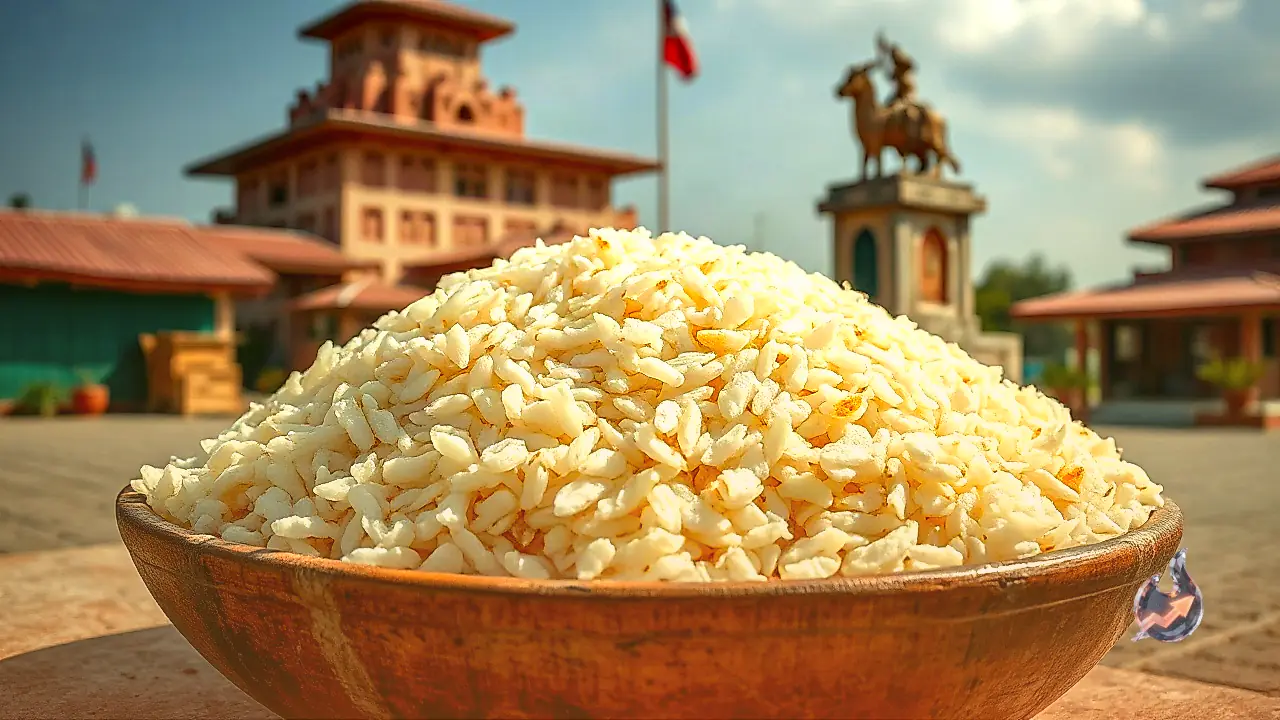














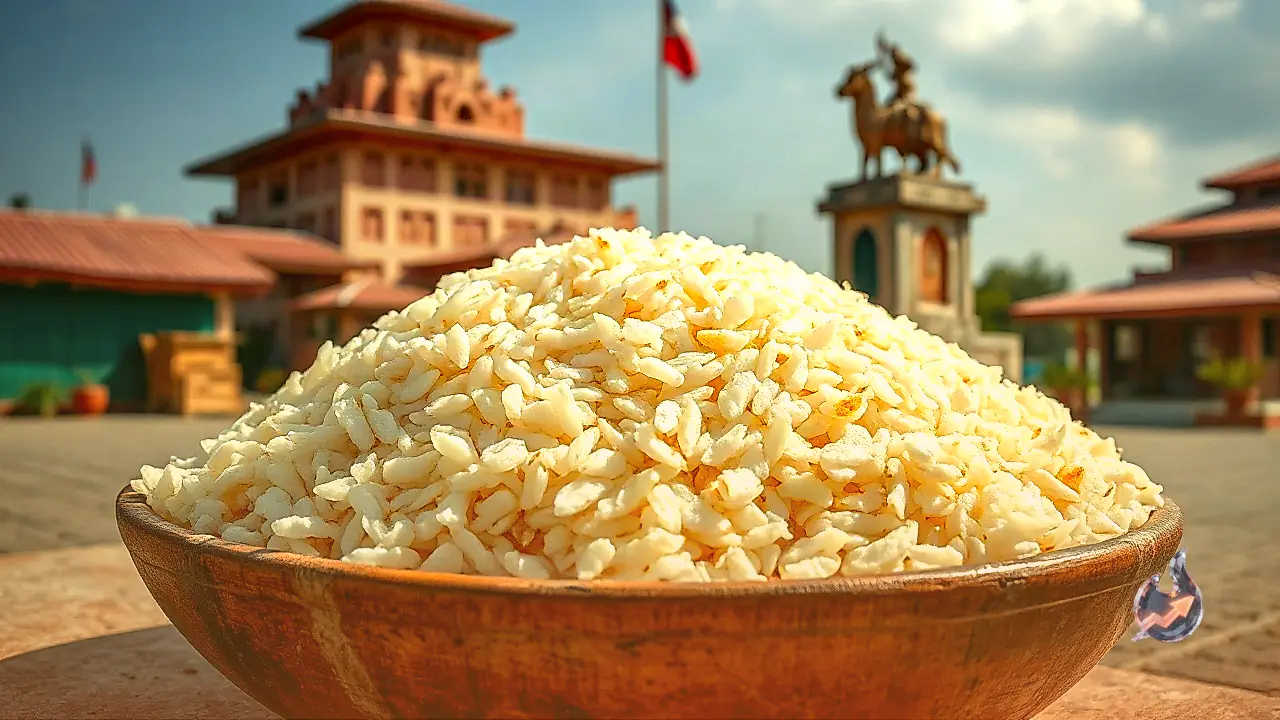

Whenever an evening craving strikes, bhelpuri, spiced mixtures, and light snacks made from puffed rice instantly come to mind. While packaged murmura is readily picked up from grocery stores, very few realize that ordinary household rice can be converted into equally light and crisp puffed rice at home. There is no need for specialized industrial machinery to execute this recipe; a standard heavy-bottomed kitchen pan and regular white table salt are entirely sufficient. The secret lies in seasoning the grains, removing every trace of moisture, and roasting them over evenly distributed intense heat.
Selecting the Ideal Variety of Rice
The type of grain chosen directly determines the texture and puff of the final snack. Thick-grained parboiled rice, widely known as usna chawal, yields the most reliable results. The parboiling process strengthens the grain structure, allowing it to expand uniformly without scorching when exposed to flash heat. For anyone attempting this technique for the very first time, working with a modest batch of rice is advisable. This allows one to gauge how that particular grain responds to drying and heat without wasting ingredients.
The Initial Soaking and Sun-Drying Stage
To begin the preparation, take approximately two cups of thick parboiled rice. Warm a sufficient quantity of water in a vessel and dissolve a small measure of salt into it. Submerge the rice in this warm salted water and allow it to soak undisturbed for at least 30 minutes. This period softens the internal starch of the kernels and primes them to expand evenly later. Once the half hour has elapsed, transfer the soaked grains into a colander to drain away every drop of excess liquid.
Spread the drained rice in a single, even layer over a clean cotton cloth or across broad metal trays. Place them under direct sunlight until the moisture evaporates completely and the grains become dry and rigid to the touch. Rushing through this step must be avoided at all costs. Any lingering moisture inside the grains will prevent them from puffing properly, resulting in chewy rather than crunchy murmura.
Roasting in Hot Salt for the Perfect Crispiness
Once the rice grains have dried out entirely, set a heavy-bottomed skillet or kadhai over the stove and pour in roughly one bowl of standard white salt. Allow the salt to heat up thoroughly over high heat, stirring occasionally so that the thermal energy spreads evenly across the pan. When the salt becomes intensely hot, introduce the bone-dry rice into the pan.
Keep stirring the grains continuously over high heat without pausing. As soon as the dry rice contacts the searing salt crystals, the grains rapidly burst open and swell into crisp, white murmura. When most of the grains have puffed up, immediately turn off the flame. Carefully tip the contents of the pan into a large wire-mesh strainer, allowing the hot salt to sift out and leaving only the light, puffed murmura behind. Let them cool down to room temperature before sealing them inside an airtight jar to preserve their crunch.
Alternative Method: Boiling and Quick Oil Roasting
Besides the dry-salt technique, an alternative approach involves boiling the rice beforehand. The cooked rice is spread out and thoroughly dehydrated in the sun until no dampness remains whatsoever. Absolute dryness remains the non-negotiable factor in this variation as well.
To crisp them up, heat a small amount of cooking oil in a pan, toss in the dehydrated boiled grains, and stir them constantly for around one minute. The grains begin to swell under the quick heat of the oil. However, if the boiled grains retain even minor dampness, they will absorb the oil rather than puffing cleanly, altering the entire texture. Regardless of whether salt or oil is used, thorough drying remains the core key to homemade puffed rice.