
























Earning a living in India's leading tech corridor often sounds far simpler than the financial realities it imposes. For thousands of young corporate professionals in Bengaluru, the arrival of a paycheck on the first day of the month brings only fleeting comfort before everyday living costs rapidly deplete their bank balances. This modern urban experience was brought into sharp focus when a 26-year-old corporate worker sat down to calculate every single rupee she spent through September, only to be taken aback by the sheer size of the final tally.
Documenting her financial routine on social media, an Instagram user named Shivanjali published a detailed breakdown showing exactly where her earnings disappeared over thirty days. Labeling her post as the expense sheet of a 26-year-old corporate girl navigating Bengaluru, she cataloged every transaction ranging from residential rent and grocery staples to late-night food deliveries, commuting choices, and digital services. When the figures were tallied, her September expenditure reached a staggering Rs 63,000.
Rent Remains the Heaviest Financial Drain
Finding a comfortable and secure place to live in Bengaluru has become one of the most demanding budget items for young professionals. Shivanjali resides in a three-bedroom apartment (3 BHK) shared with her former college friends. Despite splitting the overall household overhead across multiple flatmates, her individual contribution toward rent and building maintenance amounts to Rs 25,000 every month.
When evaluated against her total monthly outflow of Rs 63,000, this single housing commitment swallows up nearly 40 percent of her entire budget. For young workers attempting to balance reasonable commute times with modern amenities, rental commitments leave little room for error and represent a non-negotiable fixed outflow every thirty days.
Office Dining Savings Wiped Out by Food Apps
On paper, Shivanjali implemented a disciplined strategy to manage her daily sustenance costs. During regular workdays, she consumes both breakfast and lunch directly at her workplace cafeteria, effectively eliminating daytime meal expenses. For dinner back at the apartment, the flatmates hired a dedicated cook whose monthly wages are shared equally, bringing her individual share to approximately Rs 2,000. Her contribution toward groceries and pantry staples came to an additional Rs 3,000 for the month.
Yet, the money preserved through workplace meals was completely erased by spontaneous dining and digital convenience. Shivanjali disclosed that dining out at restaurants and placing orders through delivery services such as Swiggy and Zomato cost her Rs 12,000 in September. Following rent, this emerged as her single largest financial drain. The ease of opening a mobile app whenever hunger struck generated a string of seemingly modest bills that accumulated into a massive monthly total.
Combining all three meal-related categories—the cook's fee of Rs 2,000, groceries worth Rs 3,000, and restaurant or delivery orders totaling Rs 12,000—reveals an aggregate food outlay of Rs 17,000. In practical terms, more than a quarter of her total monthly expenditure was absorbed entirely by food, with external orders making up the overwhelming majority of that amount.
Commuting Hassles and Household Upkeep Costs
To keep the living space tidy, the flatmates employ a domestic helper for routine cleaning and domestic chores. Splitting this expense keeps the individual burden relatively low, with Shivanjali paying roughly Rs 1,000 toward domestic help for the month.
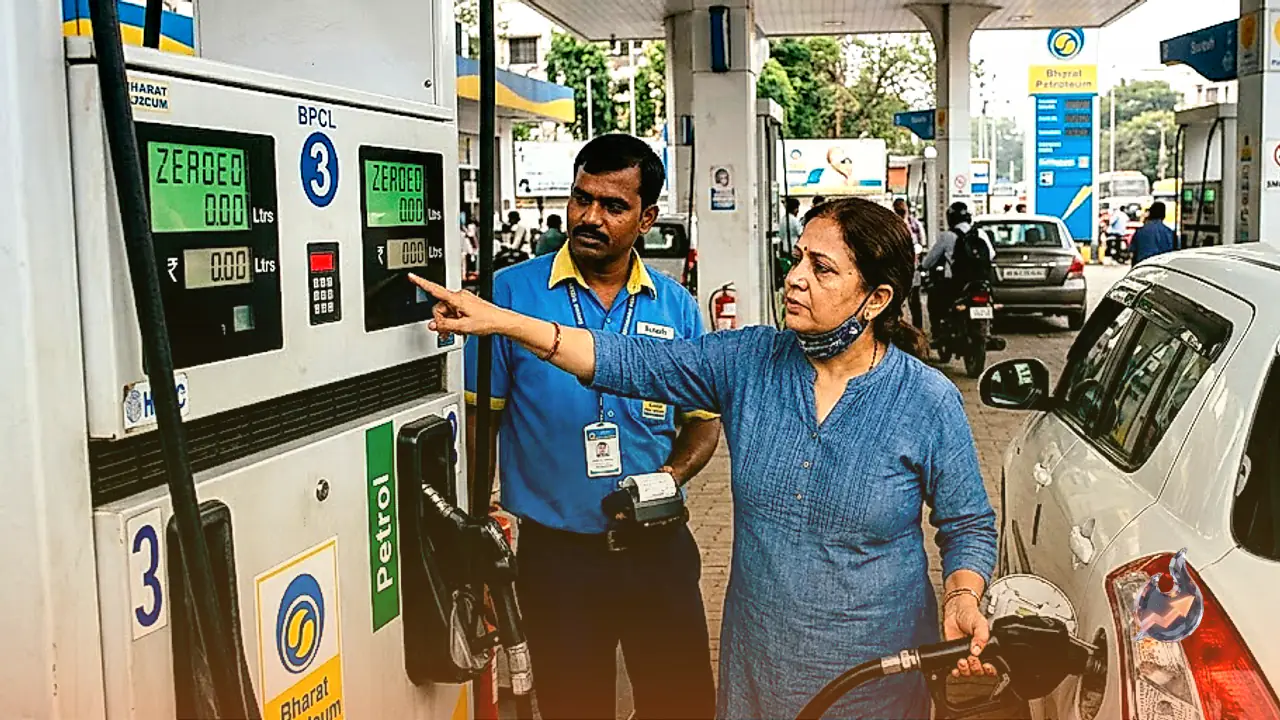
Commuting across Bengaluru's busy corridors, however, demands a considerably larger investment. Shivanjali relies primarily on her motorcycle for regular trips to the office. During September, fuel purchases for her two-wheeler totaled approximately Rs 3,000. On occasions when bad weather or fatigue prevented her from riding, she turned to app-booked auto-rickshaws and cabs, which generated an extra Rs 4,000 in transportation costs. Her combined local transit expenses therefore stood at Rs 7,000 for the period.
Hidden Recurring Subscriptions and Retail Outlays
In modern urban lifestyles, recurring automated debits represent a steady leak that frequently escapes everyday notice. Shivanjali's accounts revealed a monthly drain of Rs 6,000 on software and entertainment subscriptions. This collection of digital recurring fees encompasses artificial intelligence productivity tools, iCloud cloud storage, multiple streaming services on OTT platforms, and various connected applications that quietly deduct funds each month, often after their active utility has been forgotten.
The remaining portion of her spending went toward lifestyle and shopping needs. Purchases encompassing clothing, personal care products, and incidental unbudgeted necessities totaled around Rs 7,000 across the month of September.
Confronting the Numbers Brings Clear Lessons
Bringing all these distinct lines together—Rs 25,000 for rent, Rs 12,000 for outside food, Rs 7,000 for transport, Rs 7,000 for shopping, Rs 6,000 for software and digital subscriptions, Rs 3,000 for home groceries, Rs 2,000 for the cook, and Rs 1,000 for domestic help—pushed the final sum to Rs 63,000.
While Shivanjali admitted that seeing the final figure produced a sense of alarm, she emphasized that mapping out the expenses in black and white was essential. Knowing where money actually flows is the foundational requirement before any effective financial discipline or saving strategy can take root, transforming vague budgeting intentions into measurable reality.