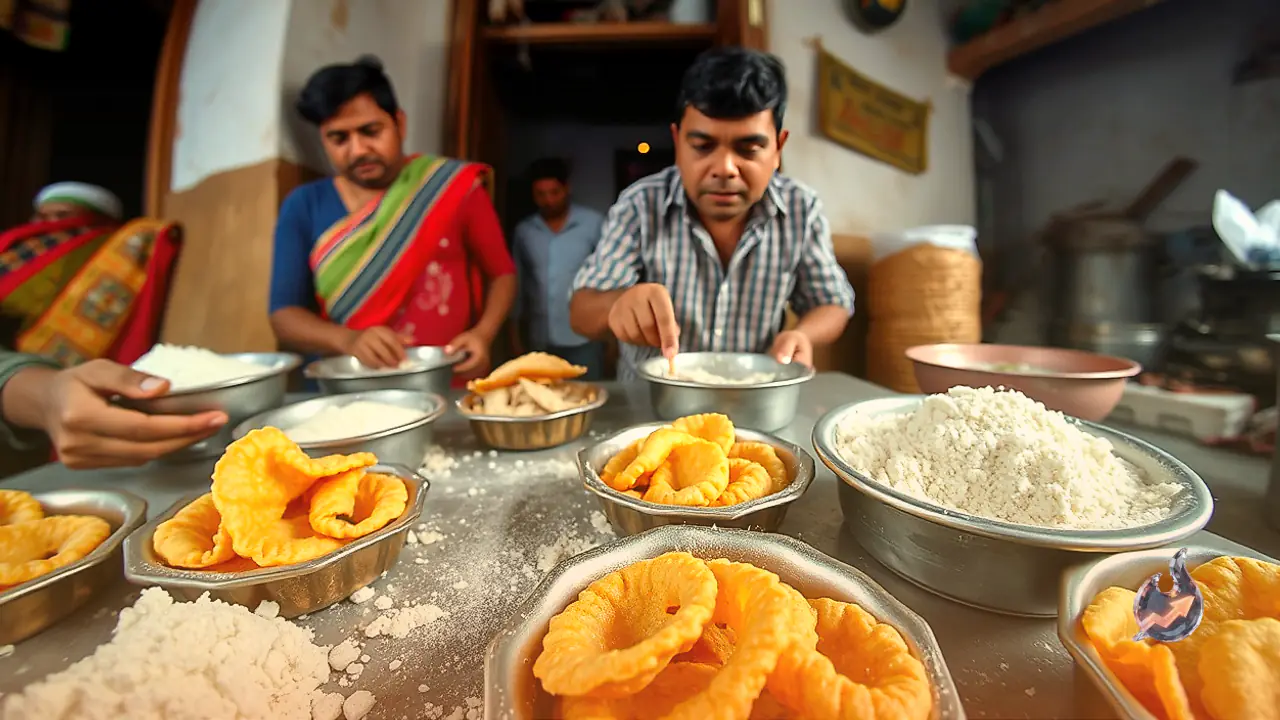























Preparing sweet boondi at home often comes with the common anxiety of ending up with flat, oblong, or rock-hard droplets rather than soft, round pearls. Replicating the uniform, glistening boondi seen at traditional sweet shops might seem intimidating to beginners, but the process becomes remarkably straightforward once you understand how the batter behaves and how to handle the perforated ladle. This classic gram flour dessert requires only a handful of pantry staples, yet yields delightful results when prepared with precision.
Achieving bakery-grade sweet boondi depends entirely on three key elements: dialing in the exact batter consistency, maintaining the right oil temperature, and balancing the sugar syrup. By sidestepping a few frequent kitchen mistakes, even first-time cooks can produce succulent, golden droplets that absorb syrup evenly. Here is an exhaustive guide covering the exact ingredient ratios, cooking mechanics, and practical adjustments needed for foolproof homemade boondi.
Ingredients And Required Measurements
Accuracy in measuring ingredients ensures that the batter flows smoothly and the final texture remains tender without becoming greasy. Keep the following items ready
- Gram flour (Besan): 1 cup of fine-quality, sieved gram flour.
- Water for batter: Approximately half a cup of room-temperature water.
- Baking soda: 1 pinch (entirely optional, depending on personal preference).
- Frying medium: Sufficient cooking oil or desi ghee for deep frying.
- Sugar for syrup: 1 cup of granulated white sugar.
- Water for syrup: Half a cup of water.
- Cardamom: 2 to 3 green cardamoms, lightly crushed for aroma.
- Lemon juice: A few drops, which prevent the sugar syrup from crystallizing.
Preparing The Gram Flour Batter With Precision
The batter is the foundation where the physical shape of the boondi is established. Take 1 cup of gram flour in a wide mixing bowl. Rather than pouring the entire half cup of water at once, incorporate it in gradual splashes while whisking steadily in one direction. This controlled mixing eliminates lumps and creates a smooth, airy mixture.
Getting the density right requires careful observation. If the mixture is excessively thick, it will refuse to slide through the perforations naturally, forcing you to push it down, which creates thick, uneven lumps with tails. Conversely, if excess water makes the batter runny, the drops will flatten upon hitting the oil and lose their spherical shape. The ideal mixture should cascade from a ladle in a steady, unbroken stream without feeling thin or watery.
Ladle Technique And Frying Mechanics
Pour adequate oil or ghee into a wide kadai and warm it over medium flame. Position the specialized perforated boondi ladle or skimmer steadily a few inches above the hot oil. Pour a small ladleful of the prepared gram flour batter onto the surface of the perforated spoon and gently spread it with a light hand.
The golden rule here is never to vigorously press, rub, or bang the ladle against the rim of the pan. Merely guiding the batter lightly allows individual drops to separate naturally and plunge into the hot fat, puffing into spherical pearls instantly. Avoid crowding the pan so that each droplet has enough space to float freely.
Fry the boondi droplets until they attain a delicate, light golden hue. Because the goal is tender, syrup-soaked sweet boondi, avoid letting them turn dark brown or overly crisp. Lift them out using a separate wire strainer and set them aside. Crucially, wipe or wash the perforated ladle clean after every single batch; leftover dried batter blocking the holes is the primary reason the subsequent batches turn misshapen.
The Critical Role Of Oil Temperature
Regulating heat directly dictates how fast the droplets set their shape. If the oil is insufficiently heated, the batter settles at the bottom of the pan, flattens out, and absorbs excessive fat, turning greasy. On the other hand, if the oil is smoking hot, the drops burn on the outside within seconds while leaving the core undercooked, preventing them from absorbing syrup later. Keeping the burner steady on medium heat creates the gentle sizzle needed for uniform cooking.
Crafting The Sugar Syrup And Soaking
In a separate saucepan, combine 1 cup of sugar and half a cup of water over medium heat. Stir until the sugar crystals dissolve completely, allow it to simmer for a few minutes, and introduce the crushed cardamom pods along with a couple of drops of fresh lemon juice. The lemon juice keeps the syrup glossy and stops crystallization as it cools. For soft sweet boondi, there is no need to boil the syrup to a rigid one-thread or two-thread stage; a slightly sticky, warm syrup is sufficient.
Transfer the fried, warm boondi into the prepared syrup and toss gently to ensure complete coverage. Allow the pearls to rest in the liquid for a few minutes so they drink up the sweetness evenly. Leaving them immersed for too long may compromise their texture and make them overly mushy, so separate them once the desired tenderness and juiciness are achieved.
Key Mistakes To Avoid During Preparation
To summarize the essential safeguards, always introduce water into the flour gradually to maintain total control over thickness. Monitor the oil temperature continuously instead of leaving it unattended on high heat. Finally, never skip cleaning the perforated spoon between batches, and fry in small quantities so that every drop retains its round shape and stays soft.