





















The enticing aroma of fresh, piping hot aloo parathas sizzling on a pan can instantly awaken the appetite. Served with a melting dollop of butter on top, alongside chilled curd and tangy pickle, it elevates an ordinary breakfast into a feast. Yet, a frequent frustration in home cooking is that flatbreads often lose their delightful crispness the moment they leave the stove. Sometimes the dough turns excessively limp, while at other times the potato mixture leaks out and creates a mess. Even if the spices are on point, achieving that elusive golden and crunchy texture found in roadside diners remains a challenge. The good news is that you do not require any exotic kitchen gadgets or rare ingredients. By paying attention to foundational techniques from kneading to pan management, you can produce impeccably crispy flatbreads every time.
Perfecting Dough Consistency and the Rest Period
The journey toward an exceptionally crisp aloo paratha begins with the flour base. Measure 2 cups of whole wheat flour into a wide mixing bowl and add salt to taste. Gradually pour in water while kneading to form a medium-soft dough that retains its structure. If the dough is overly slack or sticky, it becomes nearly impossible to handle during rolling, and the exterior surface will fail to turn crisp during roasting.
Kneading alone is not enough; the dough requires resting time. Cover the kneaded dough with a damp cloth or lid and let it rest undisturbed for 15 to 20 minutes. This pause allows the gluten to relax, making the dough pliable and significantly easier to roll out smoothly. When portioning the dough, ensure the dough balls are neither too small nor excessively oversized, allowing the spiced potato filling to spread evenly across the interior.
Preparing a Completely Dry and Smooth Potato Filling
Moisture is the primary enemy of a crispy stuffed flatbread. Take 4 to 5 boiled potatoes and peel them thoroughly. Mash them with complete care, ensuring no stubborn, hard chunks remain behind. Any whole potato bits will inevitably puncture the thin sheet of dough when pressure is applied with the rolling pin.
To the mashed base, incorporate finely chopped green chillies, grated fresh ginger, and chopped green coriander leaves. Season the mixture with salt to taste, red chilli powder, roasted cumin powder, dried mango powder for mild tartness, and a pinch of warm garam masala. Stir everything until the seasonings are uniformly distributed. Once combined, inspect the texture: if the boiled potatoes retain dampness, spread the mixture out and leave it exposed to the air for several minutes so excess surface moisture can evaporate.
Avoiding Water and Excess Oil in the Mixture
Never add water or excessive cooking oil directly to the potato filling. The firmer, drier, and more cohesive the filling remains, the easier the flatbread will be to roll. A loose or watery filling inevitably seeps through the dough edges under pressure, tearing the bread and causing it to scorch and stick to the griddle.
The Gentle Technique of Sealing and Rolling
Flatten a portioned ball of dough slightly with your fingers or a rolling pin, placing a generous portion of the seasoned potato filling directly in the center. Carefully bring all the outer edges upward, gathering and pinching them tightly together to enclose the mixture completely. Flatten the stuffed parcel gently between your palms, dust it with a light layer of dry flour, and roll it out with soft, even strokes.
Resist the urge to roll the flatbread paper-thin. An excessively thin stuffed flatbread tears easily and cannot support the hearty, blistered texture typical of a robust stuffed paratha. Should the potato filling start peeking through, stop pressing hard on the center and instead guide the rolling pin gently along the outer edges to maintain uniform thickness.
Controlling Griddle Temperature for Flaky Cooking
Managing the temperature of the griddle plays a decisive role in generating a crunchy crust. The griddle must be thoroughly preheated before the rolled dough touches its surface. Placing the bread onto a cold or lukewarm pan extends cooking time unnecessarily, drying out the dough and leaving it tough rather than crisp. Conversely, an overheated pan will scorch the outer surface dark brown while leaving the interior layer doughy and uncooked.
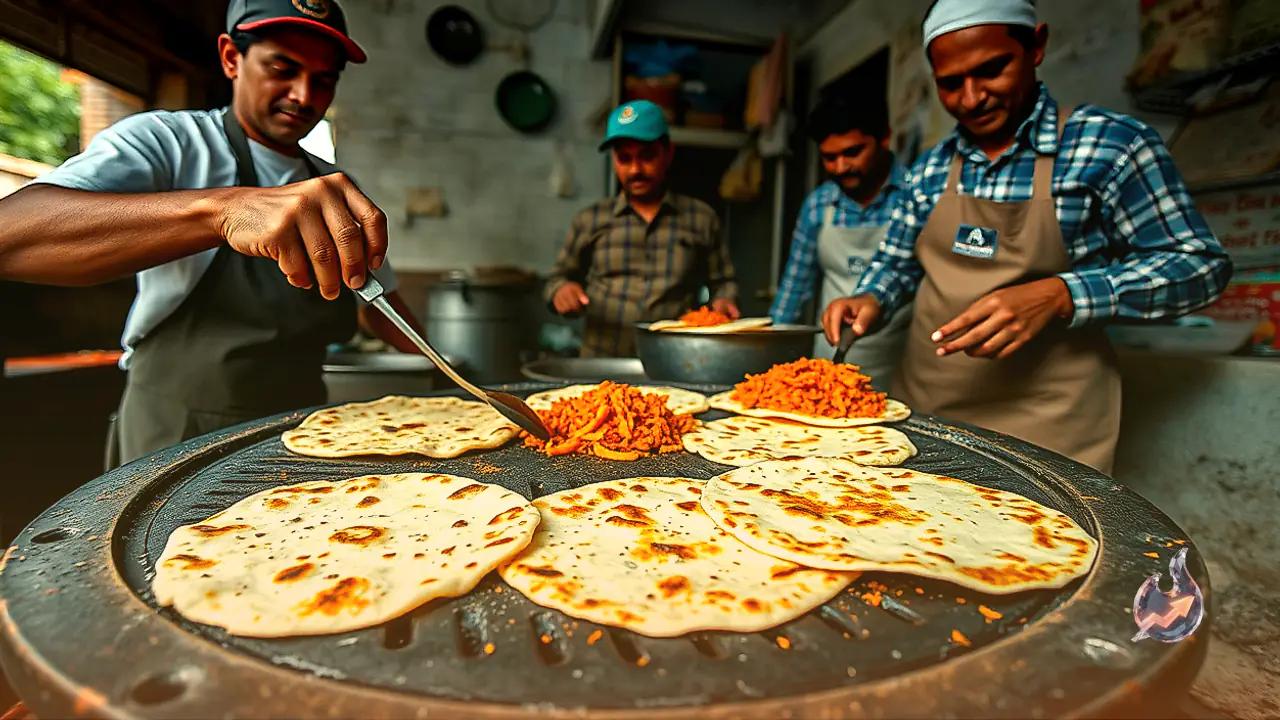
Carefully transfer the rolled flatbread onto the hot surface. As soon as small air bubbles begin to rise on the top face, flip it over. Apply a thin, even coat of ghee or oil across the seared side. Turn the flatbread once more and brush the remaining side with ghee or oil. Maintain the burner on medium heat throughout the cooking process. Using a flat spatula, apply gentle, rhythmic pressure along the edges and towards the middle, ensuring direct contact with the pan. Cook until golden-brown spots develop across both faces and the crust becomes brittle and crunchy. Pouring excessive fat is unnecessary; a modest, controlled sheen delivers optimal flakiness.
How to Serve for Maximum Crunch
Transfer the finished paratha directly from the griddle to the plate and crown it with a small pat of butter. Complement the hot flatbread with chilled plain curd, traditional mango pickle, or spicy mint-coriander chutney. If preparing breakfast for family or guests, avoid stacking or leaving the cooked flatbreads out in the open for long periods. Serving them piping hot directly from the pan ensures that diners experience the rich contrast between the crisp golden shell and the soft, spiced filling at its absolute peak.