


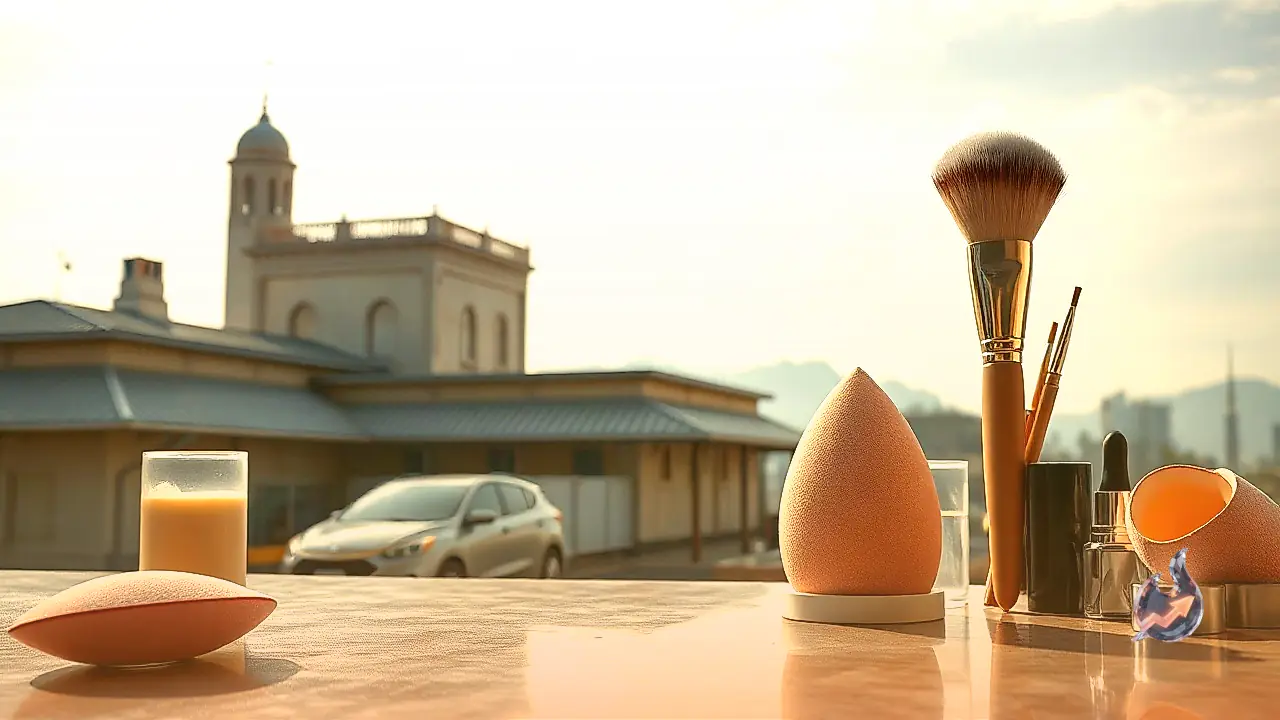




















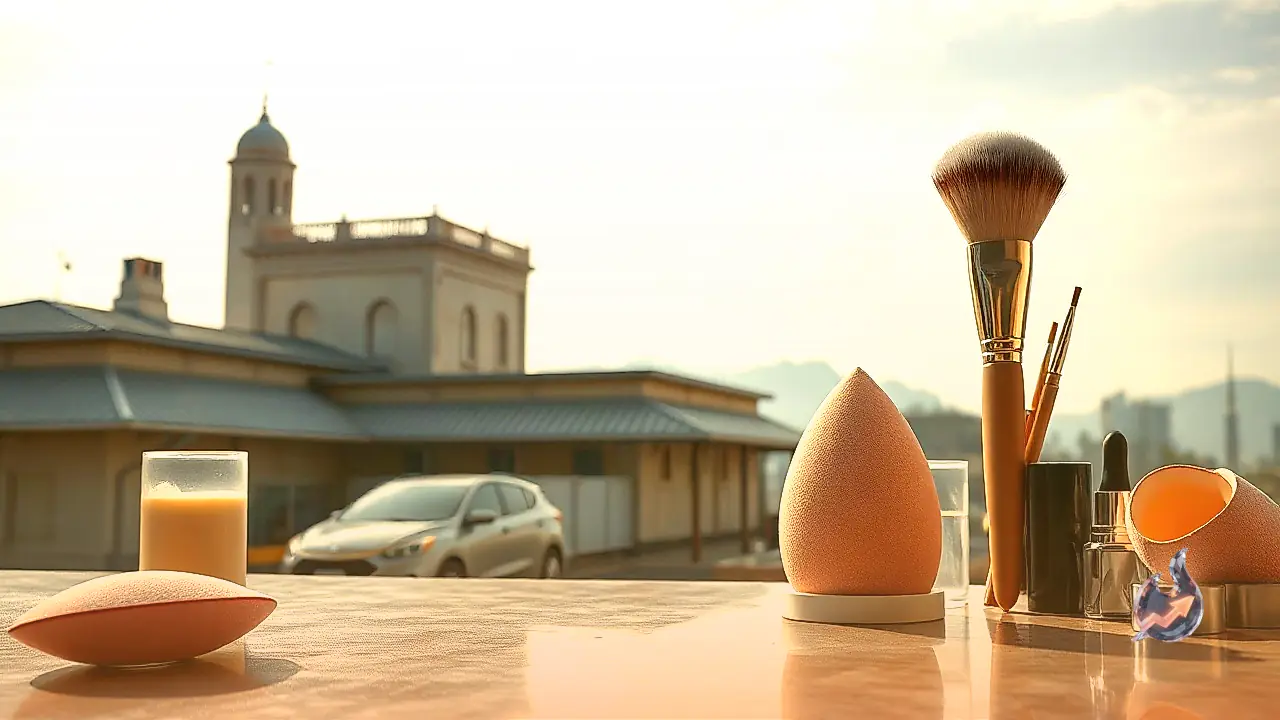

Achieving a flawless face of makeup often comes down to the final finish of your foundation. Whether your skin looks seamlessly radiant or heavily masked is largely determined by the application method you choose. While a high-quality foundation is essential, the tools you use to apply it play a major role in how the product settles onto your skin. The two primary contenders in this beauty battle are the classic makeup brush and the modern beauty sponge. Both tools are designed to distribute and blend foundation across the skin, but they yield vastly different results. Understanding when and how to use each tool can transform your makeup game from patchy to professional.
If your daily preference leans toward a light, breathable, and skin-like base, one specific tool might become your ultimate go-to. On the other hand, if you are preparing for a major party or a formal function where full coverage and a polished finish are required, the other option might suit you much better. Let us dive deep into the key differences between these two essential beauty tools and understand when to employ each one for the best results.
The Magic of Beauty Sponges for a Natural Dewy Finish
If your ultimate goal is a makeup base that feels weightless and looks exactly like real skin, a beauty sponge is your best ally. These soft tools are exceptionally skilled at blending liquid and cream-based foundations seamlessly into the epidermis. However, the secret to mastering the beauty sponge lies in its preparation. You must submerge the sponge in water, letting it expand fully, and then squeeze out every single drop of excess moisture until it is merely damp.
Using a damp sponge ensures that the tool does not drink up your expensive foundation. Instead, it allows you to bounce and press the product onto your face, creating an incredibly uniform and sheer layer of coverage. The golden rule of using a sponge is to avoid dragging or rubbing it across your skin. Instead, use gentle, repetitive dabbing motions. This bouncing technique presses the foundation into the skin rather than letting it sit on top. The unique teardrop shape of most modern sponges also makes it incredibly easy to reach tricky areas of the face, such as the corners of the nose, the under-eye area, and along the hairline.
Imagine you are getting ready for a regular day at the office, a casual brunch with friends, or a small daytime event. In these scenarios, you want a fresh-faced look where it is hard to tell you are wearing foundation at all. A damp sponge will help you achieve exactly that soft, natural look. Of course, a perfect finish does not rely on the tool alone. Finding the exact match for your skin tone and being mindful of the amount of product you use are equally critical factors in preventing a cakey look.
The Power of Makeup Brushes for High Coverage and Polished Precision
A makeup brush is a highly convenient tool for individuals who want maximum coverage from their foundation. Brushes, especially those with dense bristles, are excellent at moving product quickly across large areas of the face. They allow you to deposit more pigment onto the skin, making them perfect for covering redness, blemishes, acne scars, or uneven pigmentation. A brush-applied base generally looks much more polished, structured, and camera-ready.
However, using a brush requires a steady hand and a bit of patience. Because brushes do not absorb any excess moisture or product, it is very easy to accidentally apply too much foundation. If you use a heavy hand or fail to blend the product thoroughly, you may end up with visible streak marks on your face, making the base look thick and unnatural. To avoid this, it is always best to start with a very small amount of foundation and buff it out. Choosing the right brush texture is also essential. Denser flat-top brushes work beautifully for buffing liquid formulas, while looser, tapered brushes are better suited for lighter applications.Instead of dotting foundation all over your face and attempting to blend it all at once, try working in sections. Apply a tiny amount to your cheeks, chin, and forehead individually, buffing the product outward toward your hairline and jawline. This systematic approach allows you to build coverage gradually only in the areas that actually need it, keeping the overall look sophisticated and clean.
The Hybrid Technique: Combining Both Tools for Flawless Results
You do not always have to choose between a brush and a sponge. In fact, many professional makeup artists use a combination of both tools to achieve a flawless, red-carpet-worthy base. This hybrid method gives you the best of both worlds: the high coverage of a brush and the seamless, airbrushed finish of a sponge. It is a simple yet highly effective trick that anyone can replicate at home.
To try this method, start by using a foundation brush to paint and distribute the foundation evenly across your face. This step ensures that you get the maximum color payoff and uniform coverage where you need it most. Immediately afterward, take a damp beauty sponge and gently bounce it over the entire face. The damp sponge will pick up any excess, heavy product that might make your face look cakey, while simultaneously smoothing out any fine brush streaks. This technique is incredibly useful for evening wear, weddings, or long photo shoots where you need your makeup to hold up under bright lights while still looking fresh and seamless.
Mastering the Art of Product Quantity
Whether you ultimately decide to use a makeup brush or a beauty sponge, the single most important rule of makeup application is to control the quantity of your foundation. Flooding your skin with a thick layer of product will not make your skin look better. In fact, it often emphasizes texture, pores, and fine lines. Always begin with a minimal, pea-sized amount of foundation. Focus the product on the center of your face, where redness is most common, and blend it outward.
If you still see areas that require more coverage, you can always go back and add a tiny bit more product to those specific spots. This gradual building process keeps you in complete control of your makeup, preventing the formation of an artificial, mask-like layer. In conclusion, if your daily goal is a light, dewy, and skin-like look, the beauty sponge is your perfect match. If you are aiming for a high-coverage, sophisticated, and polished finish for a special occasion, the makeup brush is the ideal choice. Experiment with both to find the perfect balance for your unique skin type and daily routine.