























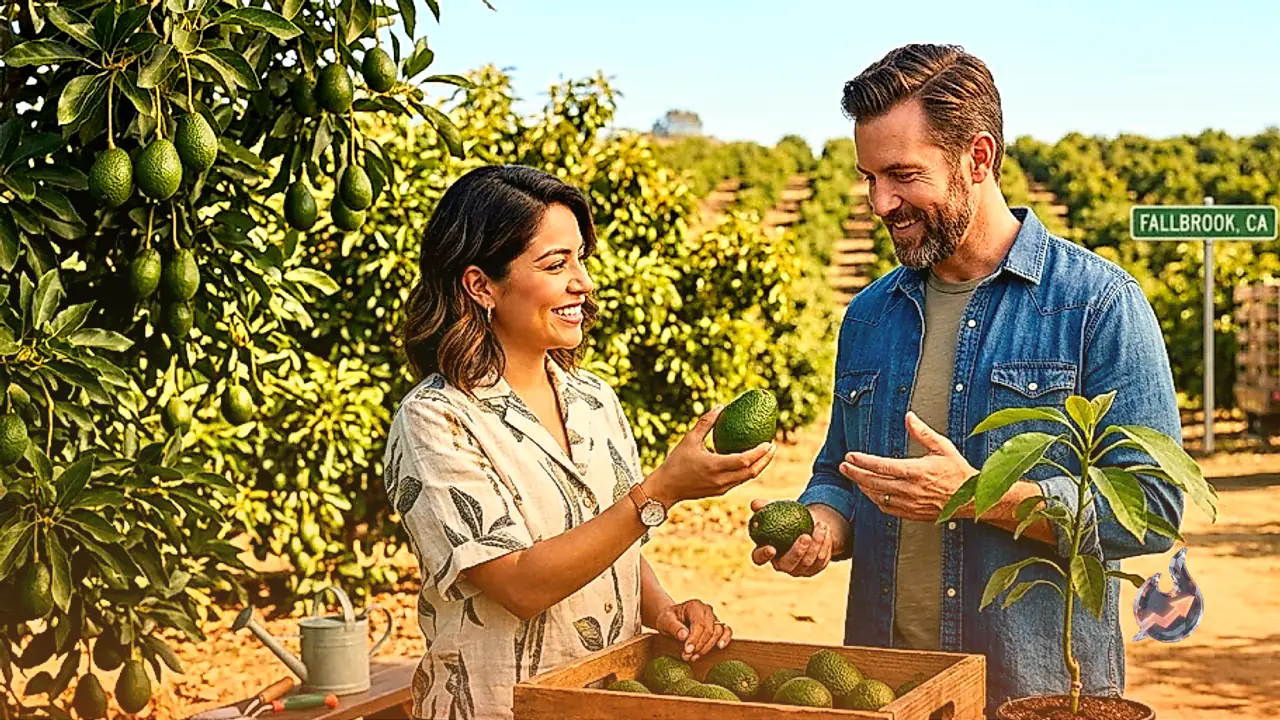

Avocado has transformed from a niche culinary ingredient into a globally recognized superfood, playing a significant role in both modern nutrition and agricultural trade. As demand for this nutrient-dense fruit continues to soar worldwide, regions that cultivate it take immense pride in its production. This global prominence has sparked a fascinating informal competition over which location truly deserves the title of the Avocado Capital of the World. Two distinct regions, Uruapan in Michoacán, Mexico, and Fallbrook in California, United States, hold deeply rooted claims to this moniker, each bringing unique historical, economic, and cultural credentials to the debate.
Uruapan and Michoacán: Mexico's Green Gold Empire
Located in the state of Michoacán, the city of Uruapan has long been recognized as the undisputed powerhouse of global avocado production. Mexico remains the largest worldwide producer of avocados, with Michoacán serving as the backbone of this massive agricultural industry. Official production figures highlight that in 2025, Michoacán yielded approximately 2.04 million tonnes of avocados. This impressive volume accounted for nearly three-quarters, or 75 percent, of Mexico's total avocado output for the year.
The exceptional agricultural productivity of Uruapan and surrounding areas is largely driven by optimal natural conditions. Rich volcanic soils, ideal elevation levels, and favorable weather patterns create a perfect environment for trees to flourish. Beyond farming itself, avocado cultivation forms the economic foundation of the region. Local supply chains involve massive workforces engaged in processing, sorting, packaging, transportation, and international export. High global demand directly links Uruapan's regional economy to major international food distribution networks.
In Mexican culture, avocados are widely referred to as Green Gold due to their immense economic value and culinary significance. Far beyond its common usage in simple salads or guacamole, the fruit is an essential ingredient in everyday traditional cooking across Mexico, appearing prominently in tacos, tortas, hearty soups, and various regional vegetable dishes.
Fallbrook, California: Historic Groves and Community Identity
On the northern side of the border, Fallbrook, situated in California's San Diego County, claims its own rights to the Avocado Capital of the World title. Recognized across the United States for its extensive avocado groves, Fallbrook's relationship with the crop dates back to the early 20th century. Over decades of commercial farming, the fruit has become central to the area's agricultural legacy and local heritage.
Fallbrook's connection to avocado farming is proudly celebrated through its famous annual Avocado Festival. The event draws farmers, residents, and thousands of visitors each year, reinforcing the community's agricultural identity and highlighting its historical role in popularizing avocado consumption in North America.
Deconstructing the Title: Myth versus Regional Pride
With multiple places claiming the exact same designation, it raises the question of whether an official global standard exists. In reality, Avocado Capital of the World is not an officially designated title granted by any international governing body or agricultural authority. Instead, it serves as an informal moniker adopted by key growing hubs to highlight their output, history, and cultural association with the fruit. While Uruapan leads by sheer output and export volume, Fallbrook stands out for its historical footprint and celebrated local tradition.
Essential Guide for Growing Avocados at Home
For gardening enthusiasts interested in planting their own avocado tree at home, proper planning regarding timing, climate, and plant selection is crucial for success. Planting should ideally occur during optimal seasons. The monsoon period of July and August provides excellent conditions for new saplings, while October and the spring months of February and March also offer ideal weather for planting.
Understanding local temperature ranges is vital because avocado varieties vary in heat tolerance. In regions where summer temperatures frequently exceed 40 degrees Celsius, gardeners should select the Lamb Hass variety, which is specifically suited for hotter environments. Saplings should always be sourced from certified and reputable nurseries, ensuring the plant is at least one year old and well matured. Choosing grafted saplings significantly increases the likelihood of successful fruit production compared to non-grafted varieties. Buyers must carefully inspect the graft union at the time of purchase to ensure strong growth and eventual yield.