




















While cooking a meal, running out of fresh curry leaves, spicy chillies, or aromatic coriander usually means making a hurried trip to the grocery store. Greens purchased from the market tend to wilt quickly in the refrigerator, losing their essential fragrance and flavour within days. Having these foundational culinary essentials growing in small planters right by a balcony, terrace, or sunny windowsill allows anyone to snip fresh sprigs moments before adding them to a pot. Many people assume that cultivating herbs and spice roots requires expansive backyards, rich farmland, or years of dedicated gardening experience. In reality, a well-sized pot, porous soil, sufficient sunlight, and basic regular care are all that is needed to harvest 6 everyday kitchen spices directly from small home spaces.
Curry Leaves: A Long-Lasting Shrub for Daily Seasoning
Curry leaves are indispensable for seasoning lentils, vegetable preparations, and breakfast dishes. Packaged leaves bought from vendors lose moisture rapidly, whereas a homegrown bush offers fragrant harvests for years. Starting with a healthy young sapling from a local plant nursery is far more convenient than germinating seeds, which can be an exceptionally slow and inconsistent process.
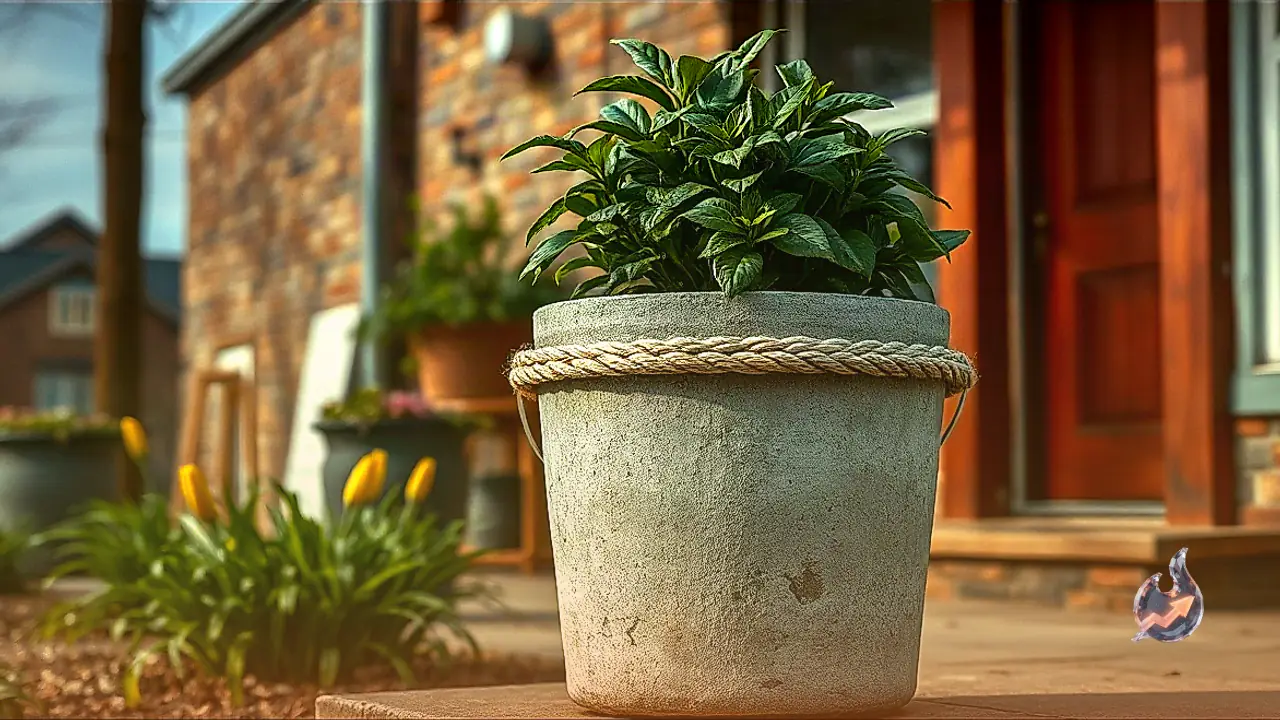
A curry leaf plant flourishes when given a deep container that accommodates its expanding root structure. The potting mix must contain sand or organic compost to prevent water from stagnating around the roots. Placing the pot in an area receiving roughly 5 to 6 hours of direct daily sunlight ensures vigorous leaf production. While development might appear modest in the early stages, the plant expands rapidly once established. Light pruning on a routine basis encourages fresh side shoots, transforming a single thin stem into a dense, bushy shrub over time.
Green Chillies: The Most Rewarding Choice for First-Time Planters
For individuals venturing into domestic gardening for the first time, green chillies offer quick success with minimal effort. There is no requirement for commercial seeds; mature seeds extracted from ripe red chillies kept in the pantry work reliably. Drying these seeds in the shade for one to two days before pressing them into moist, loose soil is the standard method for successful germination.
Once the tiny seedlings grow a few inches tall, they should be transplanted into medium or large pots to give their roots ample room. Green chilli plants demand around 6 hours of dependable sunlight alongside consistent watering. It remains vital to ensure that water drains out easily, as stagnant moisture quickly causes root decay. Following the emergence of white blossoms, the branches begin producing continuous clusters of chillies, with just a couple of thriving pots meeting an entire household's daily culinary needs.
Mint: A Fast-Spreading Herb Raised Simply from Stem Cuttings
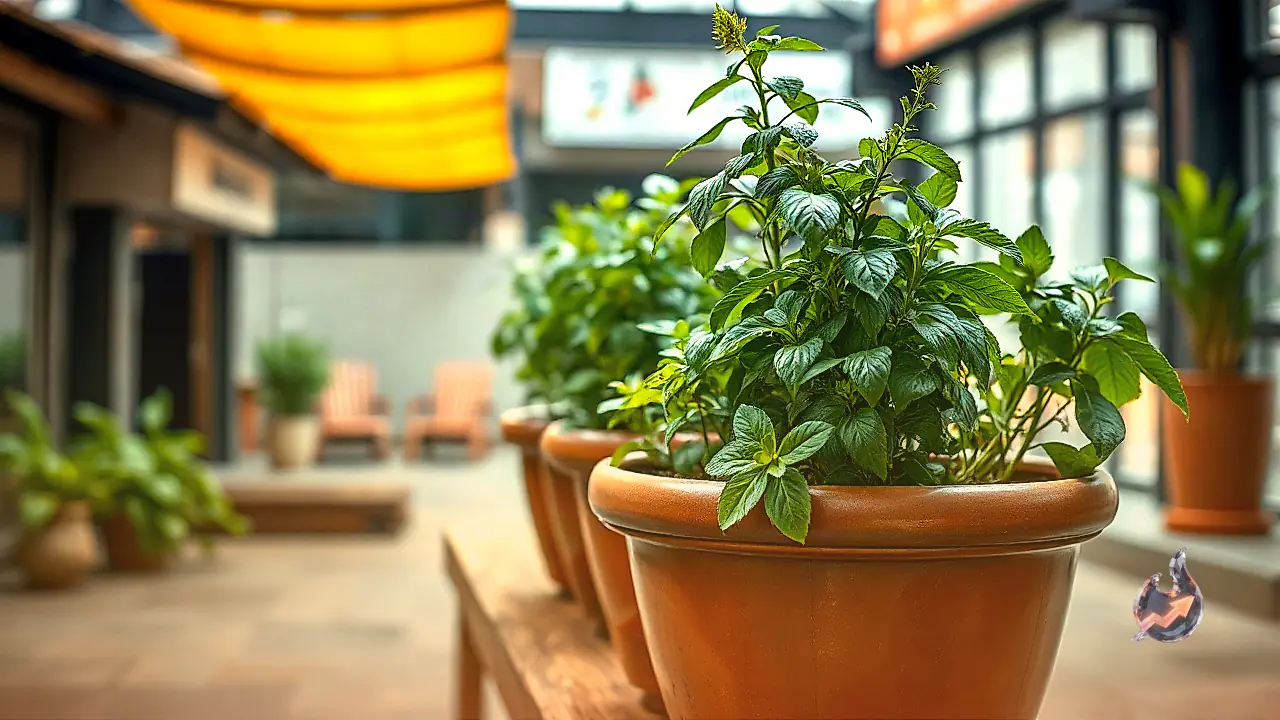
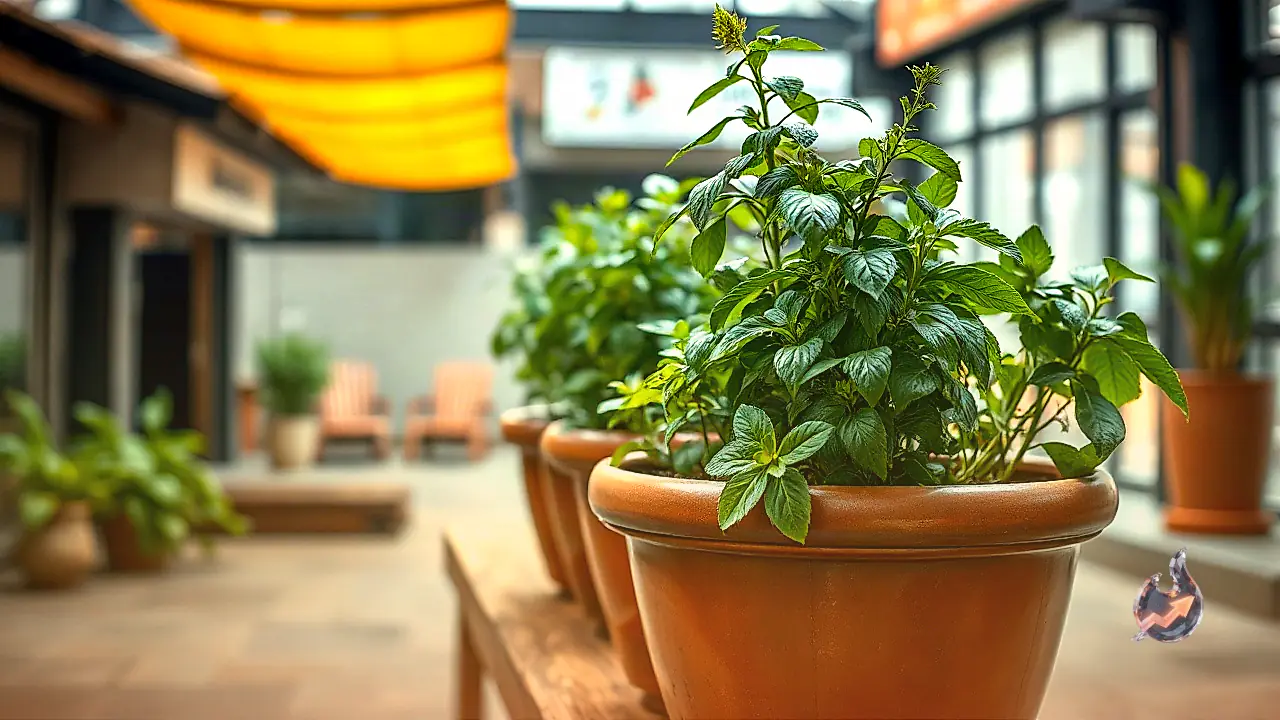
Mint provides unmatched freshness in drinks and condiments, and it ranks among the simplest herbs to cultivate at home. Experienced container growers often note that the real challenge with mint is not keeping it alive, but preventing its vigorous runners from overflowing into neighbouring pots. Instead of relying on seeds, starting mint from stem cuttings produces reliable results in days.
Placing several sturdy stems in a glass of clean water stimulates the growth of white adventitious roots within a few days. Once roots develop, these stems can be inserted into moist soil inside a wide planter. Mint thrives best under moderate or dappled sunlight; protecting the foliage from harsh midday rays prevents leaf scorch. Keeping the topsoil consistently moist and harvesting leaves frequently stimulates bushy growth, as trimming prevents leggy stems and encourages dense leaf clusters.
Coriander: Shallow Planters Deliver Continuous Fresh Sprigs
Coriander leaves serve as an essential garnish across countless recipes, and container cultivation is straightforward when given the right conditions. Rather than selecting deep vessels, sowing coriander seeds directly into wide, shallow planters yields the most uniform ground coverage. The soil must remain light and porous to allow rapid root spread without waterlogged conditions.
Coriander thrives under mild sunlight. In warmer weather conditions, offering gentle morning sun while shielding the foliage from intense afternoon heat yields the best culinary leaves. High temperatures cause the herb to bolt quickly, producing premature flowers and seed heads that diminish the rich flavour of the foliage. Harvesting only the outermost leaves with kitchen shears allows the inner crown to keep producing fresh foliage over extended weeks.
Turmeric: Patiently Cultivating Pure Golden Rhizomes
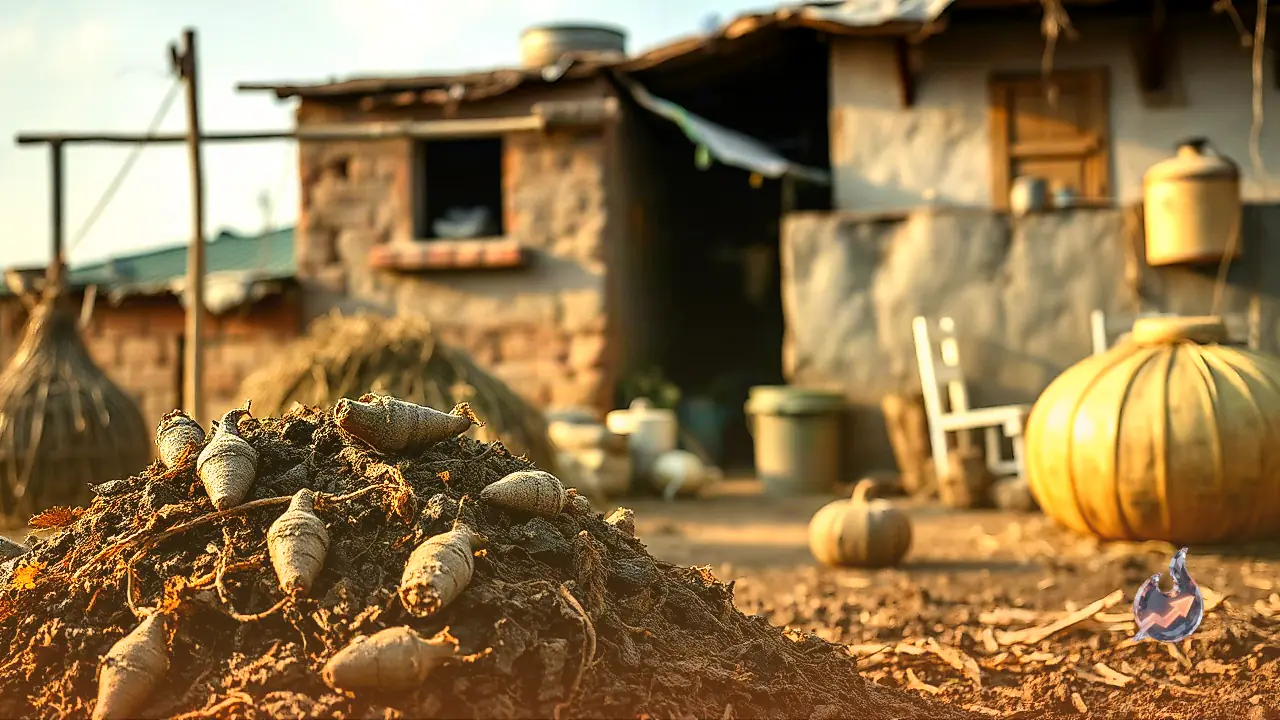
Growing turmeric at home is a longer commitment than raising leafy annuals, yet it remains completely achievable in deep containers. To start, gardeners select fresh, firm raw turmeric rhizomes that display visible buds or small sprouting eyes along their outer skin.
The rhizome sections are buried approximately 2 inches beneath a fertile, well-draining potting mixture. Turmeric prefers warm ambient temperatures paired with partial or filtered sunlight rather than relentless scorching heat. Unlike quick-maturing herbs, turmeric requires sustained patience, needing between 8 to 10 months to form a full cluster of underground roots. When the broad green leaves naturally yellow and wither down to the soil level, the mature, additive-free golden rhizomes are ready for harvest.
Ginger: Thriving in Diffused Sunlight and Consistent Moisture
The pungent root that enriches daily tea and savoury gravies grows remarkably well in medium-sized household containers without commercial seed packets. Fresh, plump ginger knobs obtained from the market with small greenish buds or nodes serve as perfect starter pieces.
Planting the rhizome horizontally just beneath the surface of light, organic-rich soil allows the buds to push upward easily. Ginger pots perform best in sheltered spots receiving bright indirect lighting or mild dappled morning sun. The substrate needs to remain moderately damp, though overwatering must be avoided to prevent root rot before shoots establish. Ginger matures over several months; allowing it sufficient time produces tender, aromatic underground rhizomes ready for immediate use in everyday cooking.