




















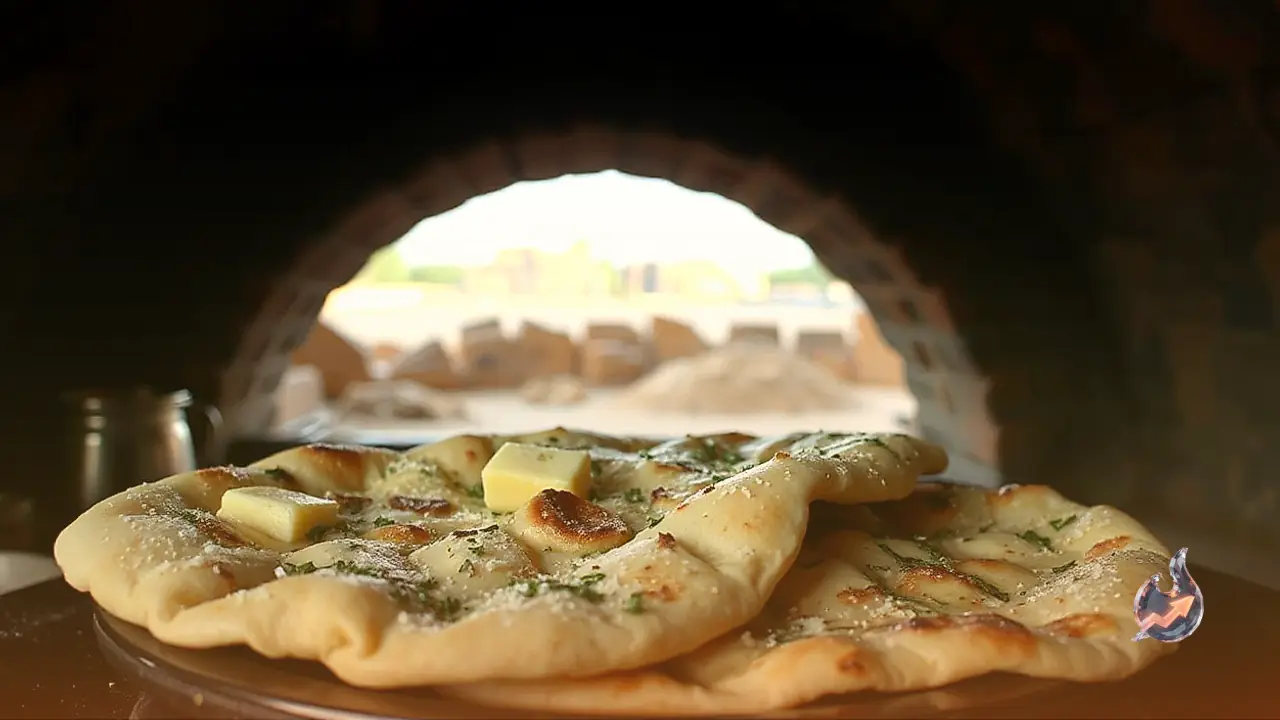

The aroma of garlic naan served alongside dal makhani or rich paneer gravy in restaurants instantly elevates the entire dining experience. The rich layer of butter and the distinct flavor of garlic make it truly special. Interestingly, a remarkably similar flavor profile can be recreated right inside your home kitchen without requiring any traditional tandoor oven. By using simple ingredients like wheat flour, butter, garlic, and a few everyday kitchen staples, you can easily make a homemade version on a standard griddle. The shared recipe carefully avoids using yeast, curd, or baking powder, which means its final texture will naturally differ slightly from puffy restaurant naans.
This turns out much like a soft garlic-infused flatbread, which is always best enjoyed when served hot. The preparation method involves spreading a flavorful butter mixture directly inside the dough ball and rolling it out again, ensuring that the rich taste reaches every single bite. The process itself is quite simple, but you must factor in about 30 minutes of resting time for the dough to settle properly. Therefore, be sure to include this waiting period in your schedule alongside the preparation and cooking time.
Essential Ingredients and Measurements
To prepare this delightful homemade recipe, gather one cup of wheat flour, one tablespoon of butter, two tablespoons of oil, and salt according to your taste. Additionally, keep five to six peeled garlic cloves, about one tablespoon of finely chopped or grated ginger, and green chilies ready. While the baseline recipe calls for three green chilies, you can easily adjust the spice level to suit your personal preference. Use an adequate amount of water to knead the dough smoothly. For children or those who prefer milder food, a single small chili might prove quite sufficient.
Initial Preparation Steps
Begin by peeling the garlic cloves and chopping them up into very fine pieces. Leaving larger chunks behind can cause the dough to tear while rolling, resulting in an overpowering garlic flavor in certain spots. Chop the ginger very finely or grate it thoroughly as well. Wash the green chilies, dry them completely, and slice them into tiny bits. Having all the ingredients prepped and ready beforehand makes the butter-heating step completely hassle-free. If you prefer a milder ginger flavor, you can start by using a smaller quantity.
The Correct Dough Kneading Method
Take a wide vessel or mixing bowl and add the wheat flour to it. Pour in the specified amounts of salt and oil, mixing them thoroughly with your hands first. Now, start kneading the dough by adding water gradually in small amounts. Keep the consistency neither too stiff nor too sticky to your hands. The dough should feel soft, pliable, and easy to handle. Since different batches of flour absorb varying amounts of water, avoid pouring all the water at once. After kneading, work the dough with your palms for a few minutes to ensure an even texture throughout.
Cover the prepared dough with a lid or a slightly damp, clean cloth and let it rest for approximately 30 minutes. This essential step makes rolling much easier and significantly reduces the problem of the dough repeatedly shrinking back. Leaving it uncovered can cause an undesirable dry layer to form on top. After the resting period, gently massage the dough once more and divide it into equal portions. Keep the size of each naan proportionate to your home griddle. Rolling it out too large will make it quite difficult to lift and place onto the hot pan.
Melting the Butter Mixture on Low Heat
Place a small pan on low heat and let the butter melt slowly. Add the finely chopped garlic, ginger, and green chilies into the melted butter and stir well. Warm the mixture only slightly and make sure it never burns. If the garlic turns deeply browned, it can impart a bitter taste to the dish. Turn off the heat and allow the mixture to cool down a bit. Applying piping hot butter directly onto the dough can make it quite difficult to handle. Keep a spoon or a small kitchen brush ready for spreading the mixture evenly.
Take a ball of dough and roll it out into a round shape after dusting it with just enough dry flour. Now, spread a thin layer of the prepared garlic-butter mixture across its surface. Leave a small margin empty along the edges so that the mixture does not ooze out while sealing. There is no need to overload a single naan with excessive butter and garlic, as this can cause the dough to tear during the second rolling phase. Distribute the mixture carefully so that you have enough left for the remaining portions.
Sealing the Edges and Re-rolling
Bring all the outer edges of the rolled roti toward the center to close it securely, then gently shape it back into a smooth dough ball. Now, flatten and roll it out again very slowly and carefully. Avoid applying excessive pressure, or the filling inside will start leaking out. You can keep the final shape either round or slightly oval. Roll it out to a medium thickness rather than making it wafer-thin. If butter begins to emerge on the surface during rolling, dust a minimal amount of dry flour, but try to avoid adding too much.
Cooking Thoroughly on a Hot Griddle
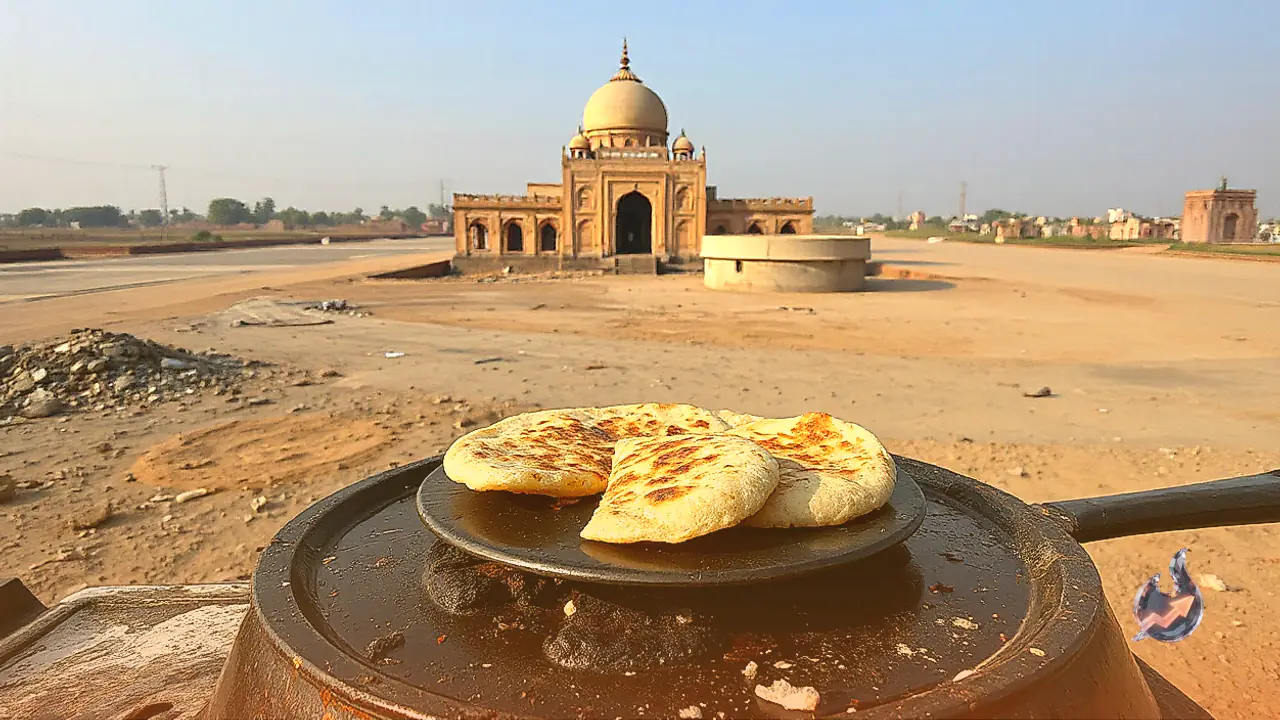
Preheat your griddle over medium heat and place the rolled naan directly onto it. Cook it over low-to-medium heat while closely monitoring the surface. As soon as light golden spots begin to appear on the underside, flip the naan over carefully. Cook the second side just as thoroughly, adjusting the heat level as needed. Cooking on excessively high heat can easily burn the outer layer while leaving the thicker center undercooked. Allow both the edges and the middle section to cook evenly. There is no need whatsoever to flip the griddle upside down or expose the naan directly to an open flame.
Once the naan is cooked to perfection on both sides, take it off the griddle and place it on a serving plate. If desired, you can brush a very light touch of butter on top. Since the interior already contains the flavorful butter mixture, any extra quantity is entirely optional. Prepare the remaining naans using the exact same method. Do not leave them uncovered for long periods after cooking. You can cover them lightly with a clean cotton cloth, but the ultimate eating experience comes from serving them piping hot. Reheating them repeatedly can increase dryness.
This wonderful garlic naan pairs exceptionally well with dal makhani, shahi paneer, mixed vegetables, or any rich chicken gravy. If the accompanying side dish is already quite spicy, reduce the amount of green chilies used in the naan to maintain a pleasant balance at the table. When trying this recipe for the first time, it is recommended to cook a single small test naan to check its thickness and overall doneness, then roll out the remaining portions accordingly.