















While the festival of lights is celebrated with various customs across the country, the cultural practices of Bikaner remain uniquely distinct. During the worship of Goddess Lakshmi in the region, the prayer plate features traditional sugar-based delicacies rather than modern confections. Items such as Mahal-Maliya and Badak-Papri are considered mandatory offerings, without which the rituals are viewed as incomplete.
Special Production in Local Workshops
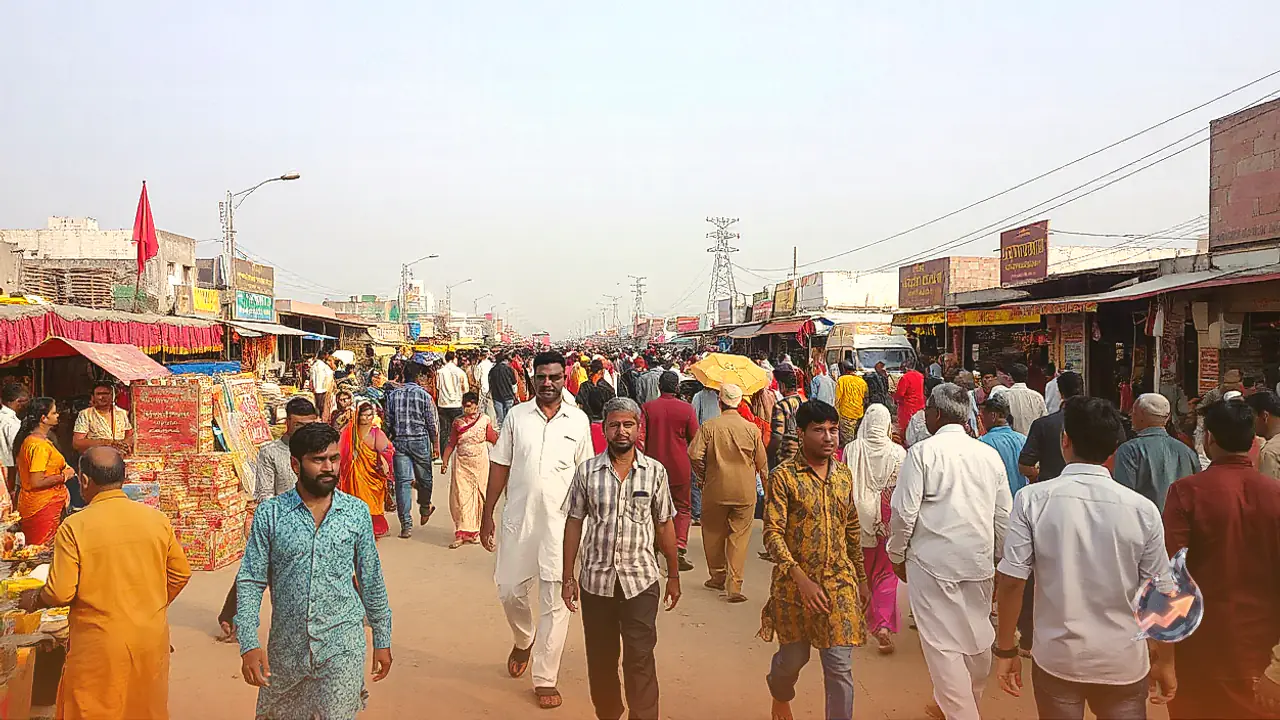
As the festive season approaches, local production units in Bikaner begin round-the-clock preparation of these specialty items. Crafted primarily from pure sugar, the traditional sweets include Mahal-Maliya, cardamom-makhana, and Badak-Papri. The primary purpose of manufacturing these items is strictly for the annual Lakshmi worship. Artisans employ generational skills to shape the sugar into attractive forms, creating a major center of attraction in local markets.
Reaching Domestic and International Destinations
This distinct cultural sweetness is not confined to local markets alone, as demand extends far beyond city limits. During the festive period, this special prasad is shipped from Bikaner to other states across India as well as to expatriates living abroad. People arrange advance packages for relatives and loved ones so they can maintain a connection to their heritage and perform the worship rituals in the traditional manner. This custom has given the local culinary industry a separate recognition on the international stage.
Preserving a Centuries-Old Heritage
The practice originating from the royal era continues to thrive with great pride amidst modern lifestyles. The younger generation maintains this tradition with the exact same devotion as their ancestors. On the night of Deepawali, when the entire city bathes in illumination, household prayers accompanied by the offering of Mahal-Maliya create a unique confluence of faith, history, and sweetness that sets the local celebrations apart.