







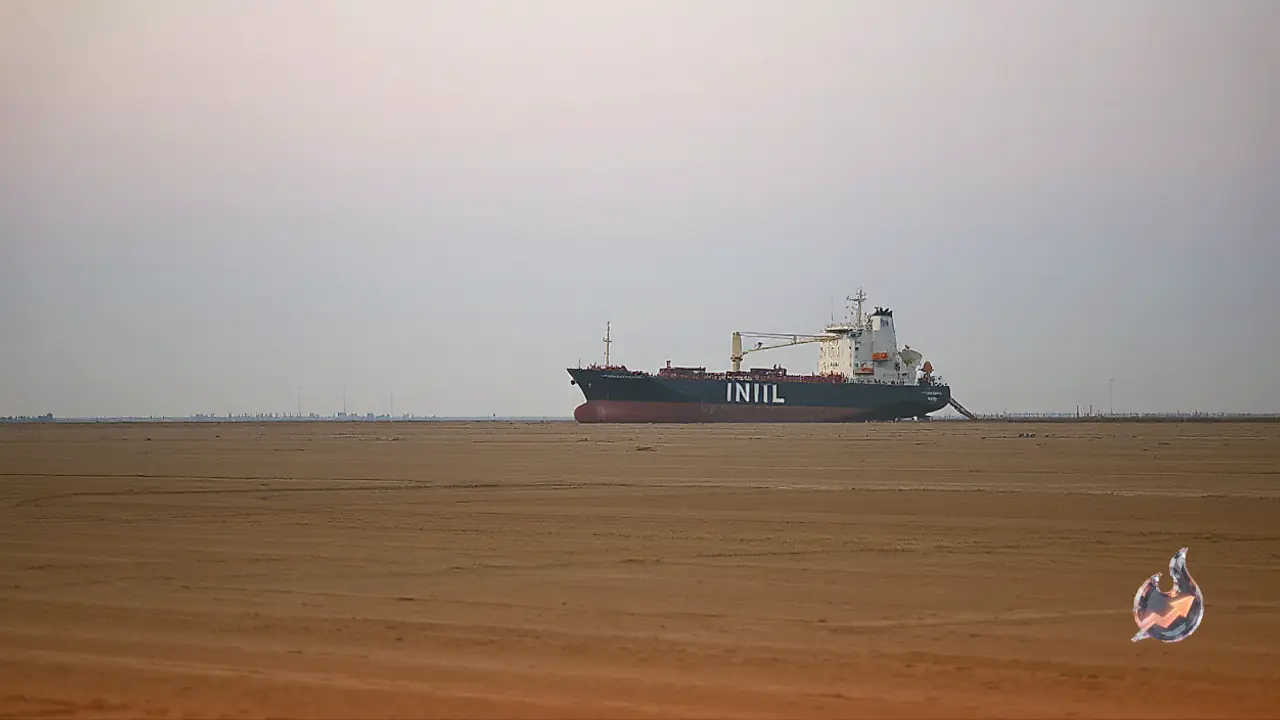















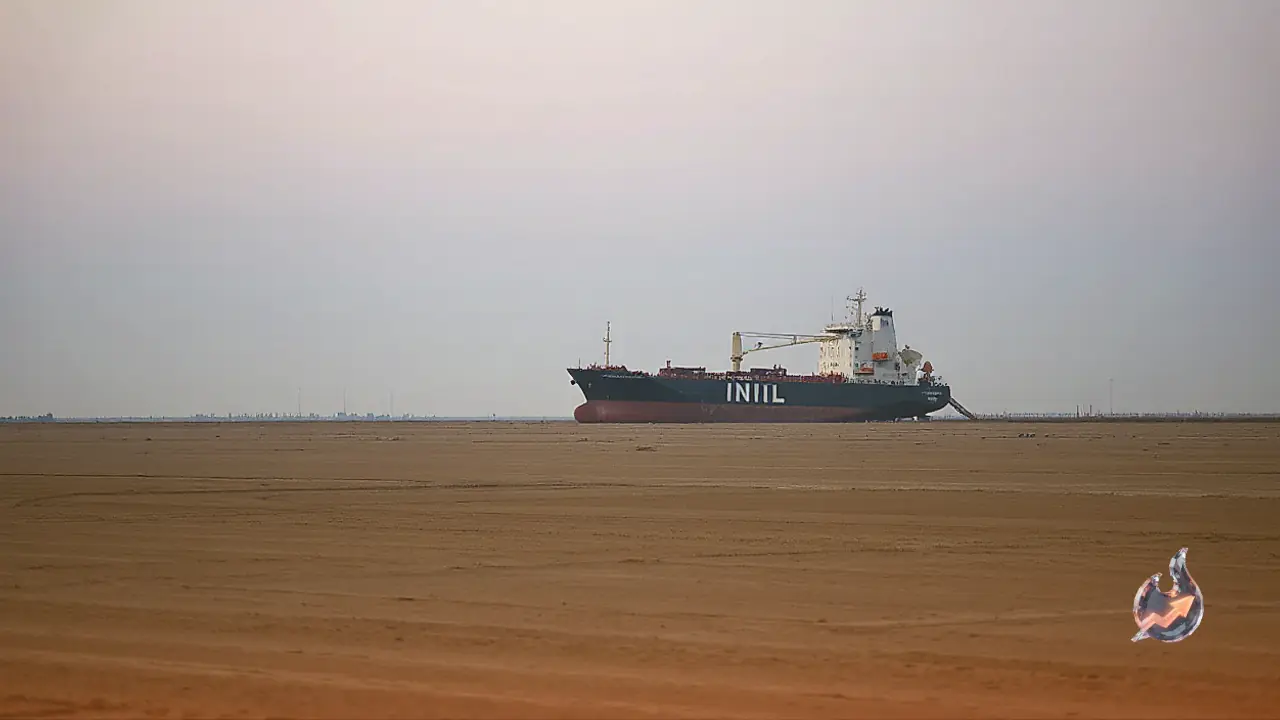

Amid escalating geopolitical tensions across West Asia and growing instability along primary international maritime trade corridors, India's premier public sector refiner, Indian Oil Corporation, is executing a major strategic overhaul of its fuel logistics. To safeguard its critical energy supply lines against external shocks and contain rising import expenses, the company plans to purchase its own fleet of cargo ships to transport crude oil and liquefied petroleum gas (LPG). Heightened operational disruptions near the strategic Strait of Hormuz, coupled with a dramatic surge in spot charter prices, have compelled the oil major to exert tighter direct control over its maritime supply chain.
Board Authorization and Ongoing Tenders
Anuj Jain, Director of Finance at Indian Oil Corporation, formally outlined the company's fleet acquisition roadmap during an interaction with financial analysts following the release of the second-quarter earnings report. He stated that the board of directors had already approved the proposal to acquire cargo ships, with competitive tenders being floated several months back. Anuj Jain emphasized that the volatile global security environment makes it urgent for domestic oil enterprises to deepen their involvement in the maritime shipping domain and build long-term logistics independence.
Local Manufacturing Prospects Under Make in India
Parallel to exploring international vessel purchases, Indian Oil Corporation is evaluating the feasibility of constructing new cargo ships within the country under the flagship 'Make in India' program. Rising conflict risks in West Asia have repeatedly threatened commercial vessel transit through the Strait of Hormuz, reinforcing the imperative to lock in dedicated shipping capacity. At present, the refining giant relies on a fleet of three crude oil vessels and nine LPG carriers secured under fixed-term charter agreements.
Severe Divergence Between Spot and Fixed Charter Costs
The company's existing fixed-term charters have already shielded it from severe financial pressure during the recent shipping crunch. Spot market freight rates for crude oil shipments have climbed dramatically to range between 8 and 10 US dollars per barrel, whereas Indian Oil's locked-in charter costs remain significantly lower at approximately 2.00 to 2.50 US dollars per barrel. The cost inflation is even more acute in the LPG shipping sector. Standard freight rates that typically average around 40 US dollars per ton have skyrocketed to between 160 and 180 US dollars per ton on the spot market. Establishing direct ownership of cargo ships is designed to insulate the refiner from such extreme market fluctuations in the future.