





















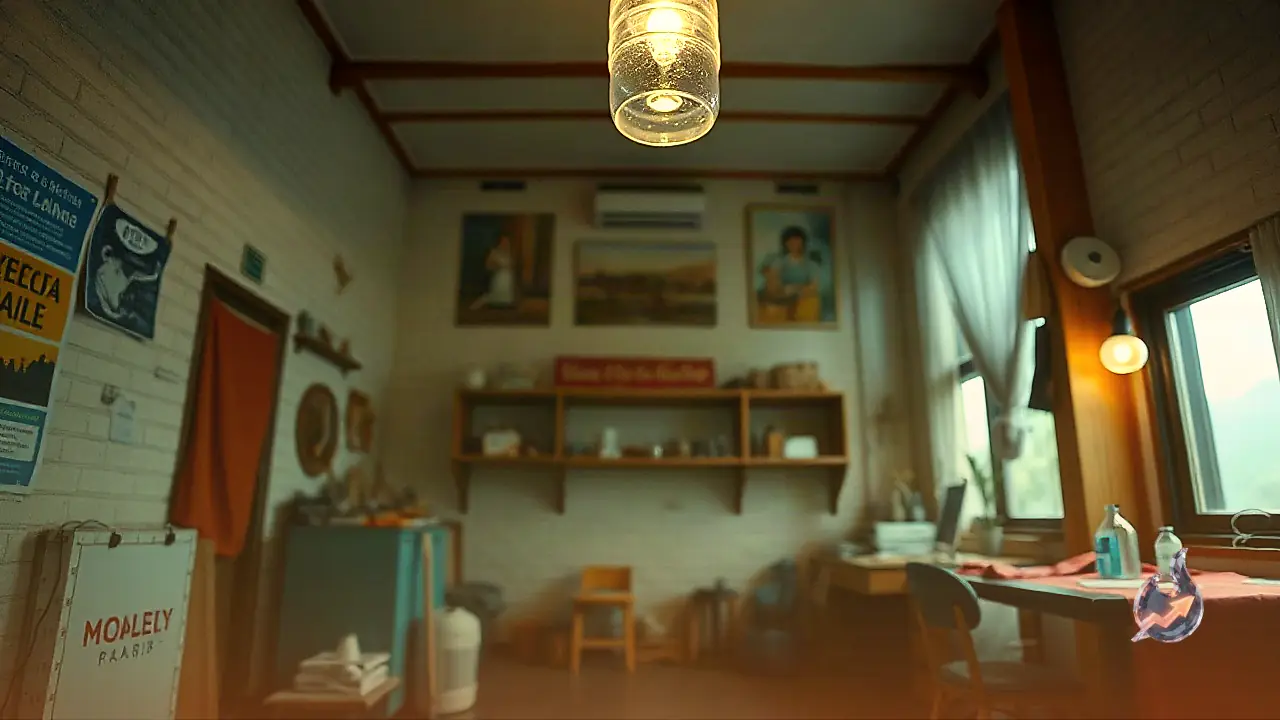

When a room stays dim even during broad daylight and requires turning on an electric bulb, an ordinary plastic bottle can serve as a surprisingly clever solution. While it may sound unusual at first, fitting a transparent bottle filled with clear water into a roof can channel brilliant sunlight straight into the interiors of a home. Known widely in lighting circles as the Moser Lamp, this ingenious concept traces its origins back to the resourceful mind of Alfredo Moser, a mechanic from Brazil.
When this idea first came to light, few could have anticipated its widespread adoption. However, its exceptionally low cost, easily accessible materials, and complete lack of dependency on electricity quickly drove its popularity across the globe. Today, this unique method has traveled to more than 30 countries. It has found special favor in homes and neighborhoods where buildings stand close together, windows are few, or adequate natural light fails to reach indoors even during peak daylight hours. Nevertheless, installing this setup requires careful attention to structural integrity and protection against water leakage.
How the Water Filled Bottle Technique Operates
The setup process for a Moser Lamp is remarkably straightforward. A clean, transparent plastic bottle is taken and filled completely with pure water. The bottle is fitted into an opening in the roof in such a way that a portion remains exposed to the sky above while the rest hangs inside the room. As powerful sun rays strike the water inside the bottle, the liquid refraction helps scatter the light in multiple directions, effectively illuminating the surrounding space.
It is important to understand that the bottle itself does not generate any light of its own; rather, it acts as a conduit to capture existing outdoor natural light and diffuse it deep inside the room. The combination of water and transparent plastic disperses the sunbeams so thoroughly that a corner of the house can appear brightly lit during the day. Experts regard this as an exceptionally affordable daylighting solution that brightens living quarters without consuming a single unit of electricity.
The Journey From Brazil Across More Than 30 Nations
The roots of this technology trace back to Brazil, where mechanic Alfredo Moser developed this simple concept amidst local electricity challenges and power shortages. His clever idea later gained momentum through initiatives like Liter of Light, organizations that helped propagate bottle-based lighting solutions to low-income communities around the world.
The standout advantage of this approach was the complete absence of expensive solar panels, batteries, or complex electronic installations. A discarded transparent bottle, some clean water, and precise roof fitting were all it took to make a tangible difference. This practicality enabled the idea to cross borders, allowing various countries to adapt it according to local housing needs. Today, across slums and rural settlements in over 30 nations, this improvised lighting method continues to provide practical relief.
Key Benefits and Crucial Precautions Before Installation
The primary advantage of this technique lies in its near-zero cost. Old plastic PET bottles lying around the house can be repurposed instead of being thrown away. Receiving abundant natural light indoors during daytime reduces the need to keep electric lamps switched on, thereby easing electricity consumption.
However, this DIY approach is not universally suitable for every single building structure. Cutting a hole through a roof can impact its physical structure. If proper waterproofing and sealing are neglected during installation, rainwater can leak indoors during heavy downpours. Furthermore, maintenance is required to keep the water clean, as the accumulation of dust or algae over time can significantly reduce light transmission and dim the interior brightness.