






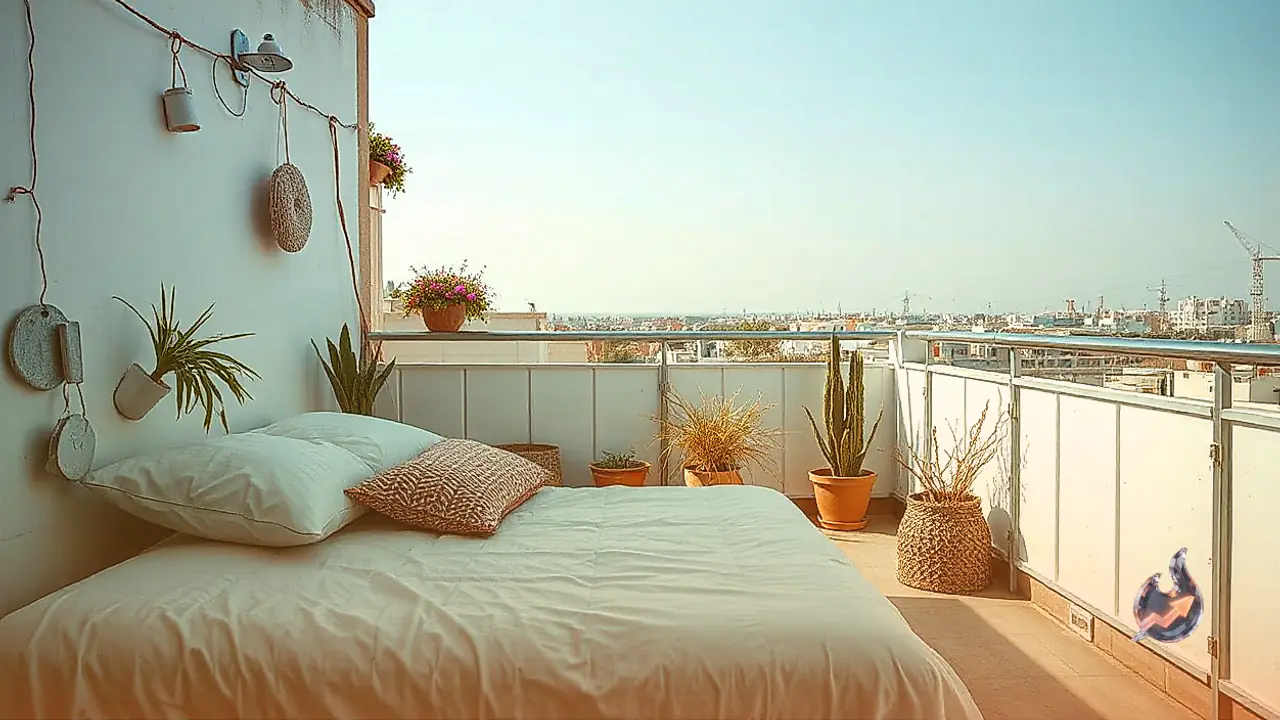














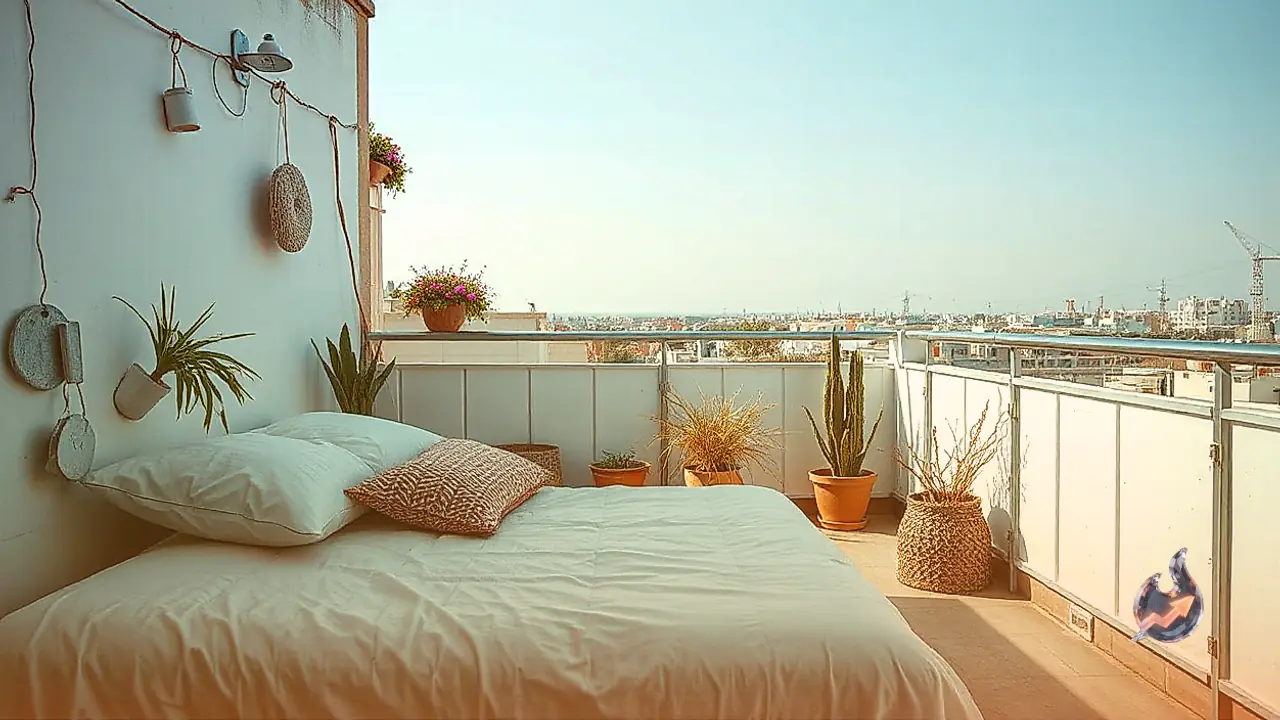

Seeing greenery in the home balcony brings joy to everyone, but purchasing new pots and making space to keep them often requires a significant amount of money. In such a situation, old pillows and mattress covers lying around your house can come to great use instead of being thrown away as useless junk. With the help of these discarded items, you can create a stunning hanging garden without breaking the bank. The best part about this DIY idea is that it eliminates the need for expensive pots while efficiently utilizing the empty walls or railing of your balcony. However, while preparing these items for plants, you must keep a few essential things in mind to ensure the setup remains safe and durable.
How to Make Hanging Planters from Old Pillow Covers
If you have old thick cotton pillow covers at home, they can easily be utilized to craft small hanging planters. This entire process requires a few basic materials, including a strong rope or thick nylon cord, and a small plastic pot or grow bag. First of all, you should thoroughly wash and dry the pillow covers properly. If there are any torn seams or open stitches, mend them neatly using a needle and thread. Next, make reliable arrangements to attach sturdy loops or ropes at all four corners of the cover so it can bear the weight. Now, place a small plastic pot or grow bag inside it, which will prevent the heavy weight of wet soil from falling directly on the fabric. After that, fill the pot with appropriate soil and manure according to the plant's requirements. Once the plant is potted, you can hang it securely in a strong spot on your balcony with the help of the rope. If you want to make a planter by filling soil directly into the fabric without a pot, always choose a thick and sturdy material. Make sure to create small holes at the bottom for drainage, keeping in mind that not every type of fabric can withstand the heavy weight of wet soil.
How to Create a Vertical Garden Using Old Mattress Covers
Old mattress covers can also be effectively used to build a vertical garden in your balcony. If you have a cover made of thick and durable fabric, you can cut it down to create small pocket planters. For this, first cut the mattress cover into pieces of equal size. Stitch each piece in such a way that it forms a small pocket. Small plastic pots can be securely placed inside these pockets. After this, the entire fabric can be mounted onto a sturdy wooden frame or metal grid and hung against the wall. Through this creative method, multiple small plants can be grown in the very same spot. This method is especially beneficial for balconies that have limited floor space to keep traditional pots.
Best Plants to Grow in Your Hanging Garden
In these small and unique planters crafted from fabric, you should always choose plants that do not require an excessive amount of soil or root spread. You can opt for money plants, as their cascading vines give the balcony a gorgeous and lush green look. Spider plants are another fantastic choice because their long, elegant leaves look wonderful in hanging planters. The colorful and unique foliage of tradescantia makes the balcony appearance quite vibrant and appealing. If your balcony receives adequate sunlight during the day, you can successfully grow flowering petunias there. Additionally, fresh mint can also be cultivated in a small pot, provided it receives the right amount of water and sunlight. While selecting plants, always pay close attention to the sunlight and airflow of your balcony, as every plant has different needs.
Important Points to Remember While Making Hanging Gardens
While making planters from old clothes seems quite simple, overlooking certain precautions can cause severe damage to your plants. First of all, you must pay close attention to drainage because planters need proper holes to let excess water escape. Water accumulation can significantly increase the risk of root rot. Furthermore, always select strong and durable fabric and strictly avoid using very thin, torn, or weak materials. Continuous moisture can weaken the strength of fabrics quite quickly. Always check the weight capacity because wet soil and plants weigh much more than dry soil. Therefore, always use strong ropes, hooks, and reliable supports. Additionally, check the structural strength of the wall and hang the planter only in a secure spot where there is no risk of it falling or hurting someone below. Finally, while watering the plants, ensure that the excess water dripping down does not dirty your neighbor's balcony or the wall below.