























During festive occasions, households frequently witness an influx of assorted confections and traditional desserts. From commercially purchased cashew fudge, syrupy cheese dumplings, and creamy flattened patties to homemade gram flour laddoos, stuffed pastries, and fudge bars, the sheer variety can quickly exceed a family's immediate consumption capacity. Consequently, surplus treats often linger on kitchen counters for days without regard to their safety. However, every traditional confectionery item possesses an individual storage threshold, and knowing how long each remains fit for consumption, as well as which varieties demand refrigeration, is essential for maintaining household digestive health.
The deterioration rate of any confection is dictated primarily by its raw ingredients, overall moisture content, and preparation techniques. Dairy and condensed milk preparations support rapid microbial multiplication, whereas dry varieties incorporating clarified butter, roasted pulses, or dried fruits hold up significantly longer. The food safety regulator FSSAI (Food Safety and Standards Authority of India) has laid down distinct shelf life benchmarks across different sweet categories. By observing these official guidelines, consumers can enjoy their seasonal delicacies without exposing themselves to foodborne risks.
Shelf Life of Dairy, Chhena, and Kalakand Varieties
Dairy confections carrying elevated water content rank among the most vulnerable food items. Kalakand, characterized by its granular milk curd texture and retained moisture, deteriorates rapidly when left exposed to ambient temperatures. In accordance with FSSAI standards, kalakand and comparable high-moisture dairy assortments should be eaten on the very day of production.
Similarly, soft chhena-based treats such as rasgulla, rasmalai, sandesh, and other cottage cheese formulations must never remain on standard kitchen shelves. They require consistent chilling inside a refrigerator. The prescribed shelf life for these moist, cheese-based desserts is limited to roughly 2 days. Keeping them past this window invites bacterial souring and escalates the risk of gastrointestinal distress.
Durability of Khoya, Mawa, and Gram Flour Preparations
Confections derived from evaporated milk solids known as khoya or mawa, including milk cake, mawa barfi, and peda, alongside gram flour and boondi spheres, form another substantial segment of celebratory spreads. Under FSSAI classifications, several mawa-centric items such as barfi, milk cake, peda, and boondi laddoos are assigned a viable consumption span of approximately 4 days. Their exact endurance remains tied to residual moisture and sugar syrup proportions.
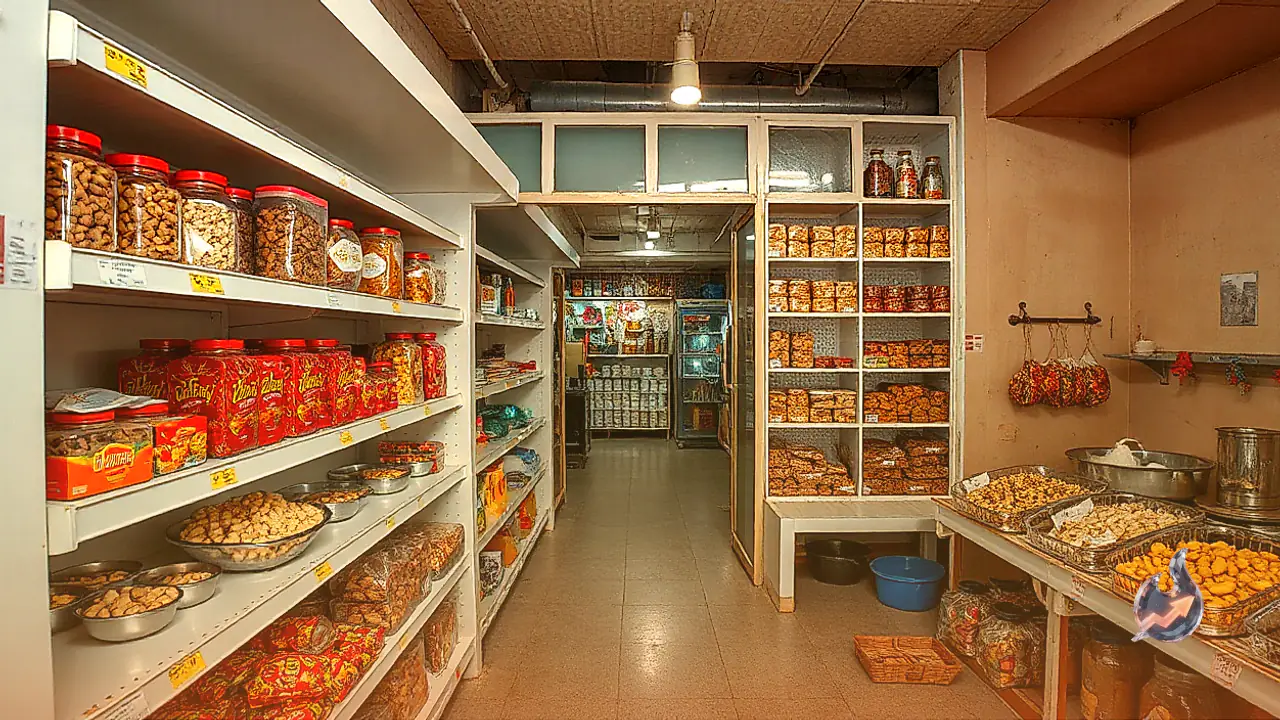
Whenever a mawa treat displays elevated softness or moisture, placing it directly into cold storage is strongly advised. Conversely, thoroughly roasted dry sweets such as besan laddoos, wheat flour pinni, brittle bars, and gajak contain minimal moisture. Provided they are stored in dry, hygienic, and hermetically sealed containers, these traditional dry formulations can safely endure for around 30 days, spanning an entire month.
Viability of Cashew Fudge and Nut-Based Sweets
Cashew fudge, commonly known as kaju katli, along with assorted nut clusters, is frequently assumed to last indefinitely, yet scientific safety boundaries apply to these luxury preparations as well. According to FSSAI directives, kaju katli and select dry fruit laddoos possess an established shelf life of up to 7 days. Their finely milled cashew base and sugar composition retain peak aroma and stability throughout a seven-day interval under proper storage conditions.
Allowing nut-dense treats to remain exposed to open heat, direct light, or ambient moisture prompts fat oxidation, resulting in unpleasant rancidity and a sharp off-flavor. Consumption should therefore be carefully scheduled to fall strictly within this week-long window.
Practical Steps to Preserve Sweetness and Quality
How long a dessert stays palatable is not governed solely by recipe components; packaging and environmental exposure play an equally decisive role. Adopting a handful of orderly handling practices ensures confections reach their full intended shelf life without degradation
- Airtight Container Usage: Rather than retaining cardboard cartons, transfer sweets promptly into clean, dry, sealed glass or food-grade plastic containers to lock out humidity and airborne contaminants.
- Moisture Prevention: Never employ damp spoons or unwashed, moist hands when handling confections, as extraneous water droplets immediately stimulate mold spores.
- Prompt Chilling: Perishable milk sweets, including rasgulla, rasmalai, kalakand, and soft mawa bars, must be moved inside the refrigerator rather than left sitting at room temperature.
- Separation of Textures: Always store dry laddoos separately from syrup-drenched specialties, preventing the syrup from ruining the crisp texture and distinct flavor profile of dry items.
- Labeling Preparation Dates: When cooking festive items at home, attach a simple date tag to each storage jar to monitor age and prioritize older batches accurately.
Recognizing Spoilage Signs and Ambient Temperature Limits
Detecting spoiled confections before consumption is critical for health protection. If an item emits a sour or musty smell, shows discoloration, displays a slimy surface, or develops visible fungal fuzz, it should be discarded immediately. Testing doubtful treats by taking a sample bite is a dangerous practice, as pathogenic bacteria can proliferate to hazardous concentrations long before perceptible changes in taste occur.
Warm weather accelerates the breakdown of milk and khoya sweets dramatically. Food safety protocols establish that perishable foods must not linger at standard room temperature for longer than 2 hours. In extreme ambient heat, this permissible threshold drops to just 1 hour. Adhering strictly to these timing limits safeguards every household against unintended bacterial illness.