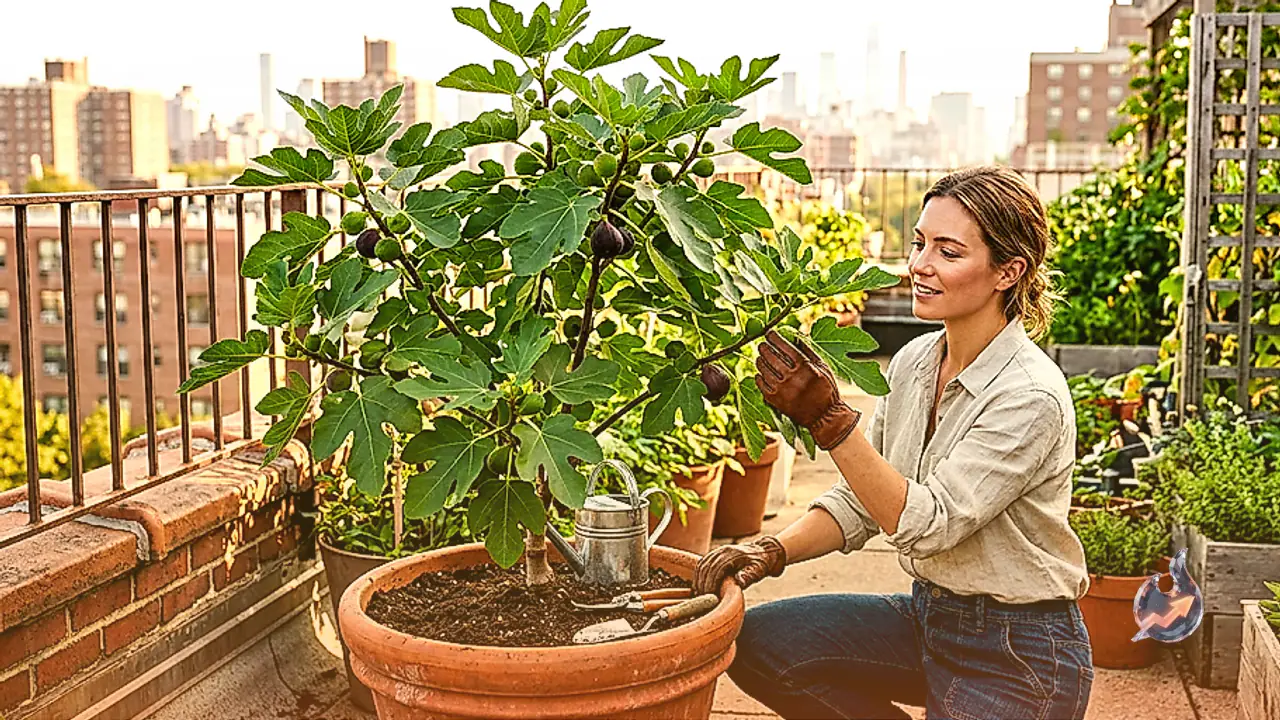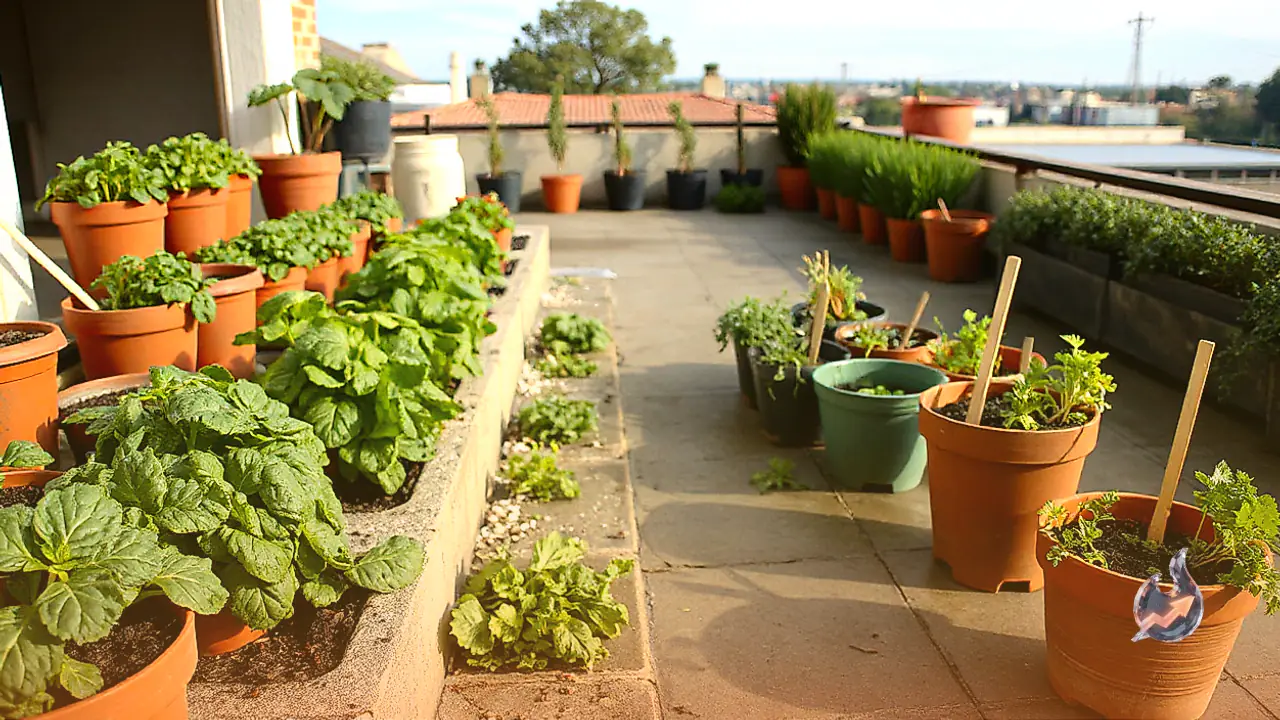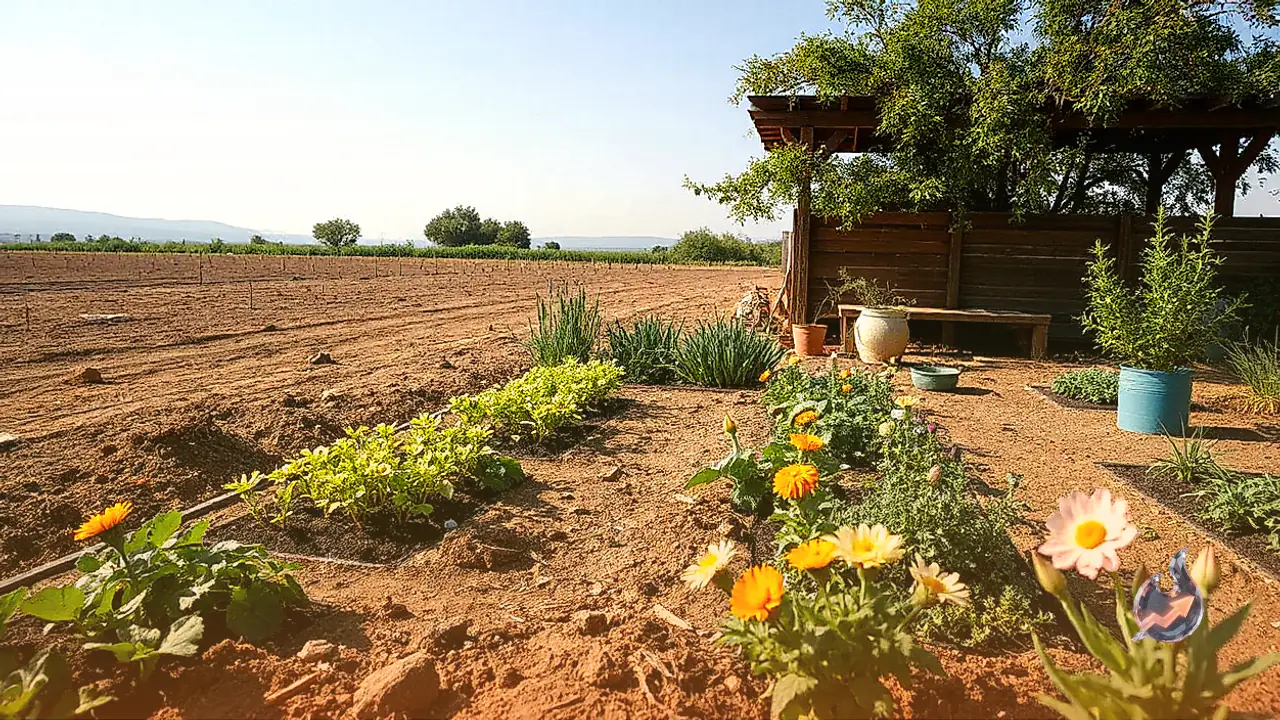























Blooming flowers in home pots can instantly brighten up any living space. It is a common experience to bring a flower-laden plant home from a nursery, only to watch its buds drop off after a few days and new blooms decline significantly. In contrast, plants kept in nurseries often remain flush with continuous blossoms. The secret behind this thriving state is not merely superior plant varieties or expensive fertilizers, but their precise and proper maintenance. According to gardening experts, providing adequate sunlight, preparing the right soil mixture, and watering strictly according to necessity are vital for robust flowering. If you wish to fill your terrace or balcony garden with a profusion of colorful flowers, you need to pay close attention to several small yet important details.
The Crucial Role of Sunlight for Flowering Plants
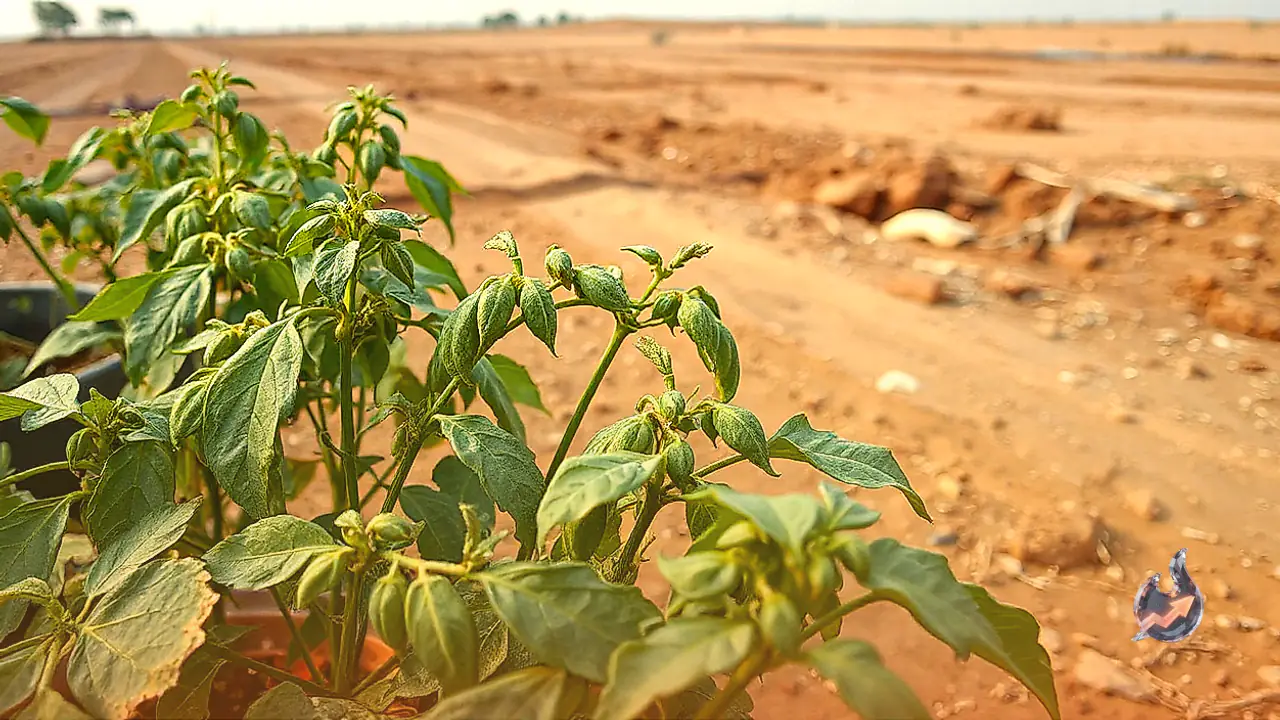
Before introducing any flowering plants to your garden area, check the amount of sunlight the spot receives. Varieties like marigolds, petunias, roses, and dianthus require ample sunlight to produce abundant blooms. If plants are deprived of the necessary sunlight, their overall growth and flowering capacity can suffer significantly. However, it is important to remember that not every plant has the exact same light requirements, so placement must be tailored accordingly.
What to Look For When Buying Plants at a Nursery
Many people make the mistake of purchasing a nursery plant that is already heavily laden with fully open flowers. Instead of choosing a plant based solely on current blooms, inspect its foliage and unopened buds carefully. Always pick a specimen that features a combination of open blossoms and numerous fresh buds. This serves as a reliable indicator that the plant will continue producing flowers in the near future. Furthermore, the selected plant should look vigorous and green, and varieties should always be chosen keeping the current season in mind, as marigolds and petunias make excellent choices for winter.
Selecting the Right Soil and Pots
The right soil composition is fundamental for healthy flower growth. Planting directly in heavy or sticky clay soil can restrict root development and cause distress. Mix vermicompost or well-rotted cow dung manure into the soil to create a well-draining mixture that allows excess water to escape while maintaining proper aeration around the roots. Pot size should also correspond to the plant scale; avoid placing small specimens into excessively large containers, though adequate room must be provided as the plant matures. Appropriate pots and soil empower roots to expand naturally.
Proper Watering and Soil Maintenance Practices
Many individuals water their flowering plants every single day, which is entirely unnecessary. Always check the moisture level of the potting soil before adding water. If the top layer feels dry to the touch, administer a moderate amount of moisture, but skip watering if the soil remains damp underneath. Periodically remove any weeds sprouting in the containers. About a week to ten days after planting, the topsoil surface can be gently loosened using a small trowel, taking utmost care not to damage the delicate roots underneath.
Nutrition, Pruning, and Pest Management
Supplying timely nutrients is indispensable for sustained plant growth. Gardeners recommend using vermicompost or thoroughly decomposed cow dung manure, ensuring that fresh or half-rotted manure is strictly avoided. Once flowers wither on the plant, pluck them off promptly alongside dead leaves to keep the foliage clean and direct energy toward fresh growth. Periodic pruning helps several plant varieties sprout new branches, though individual techniques and timings vary. For pest management, neem oil can be applied when needed, but instead of indiscriminately spraying every plant without reason, follow the exact dosage and guidelines specified on the product label.