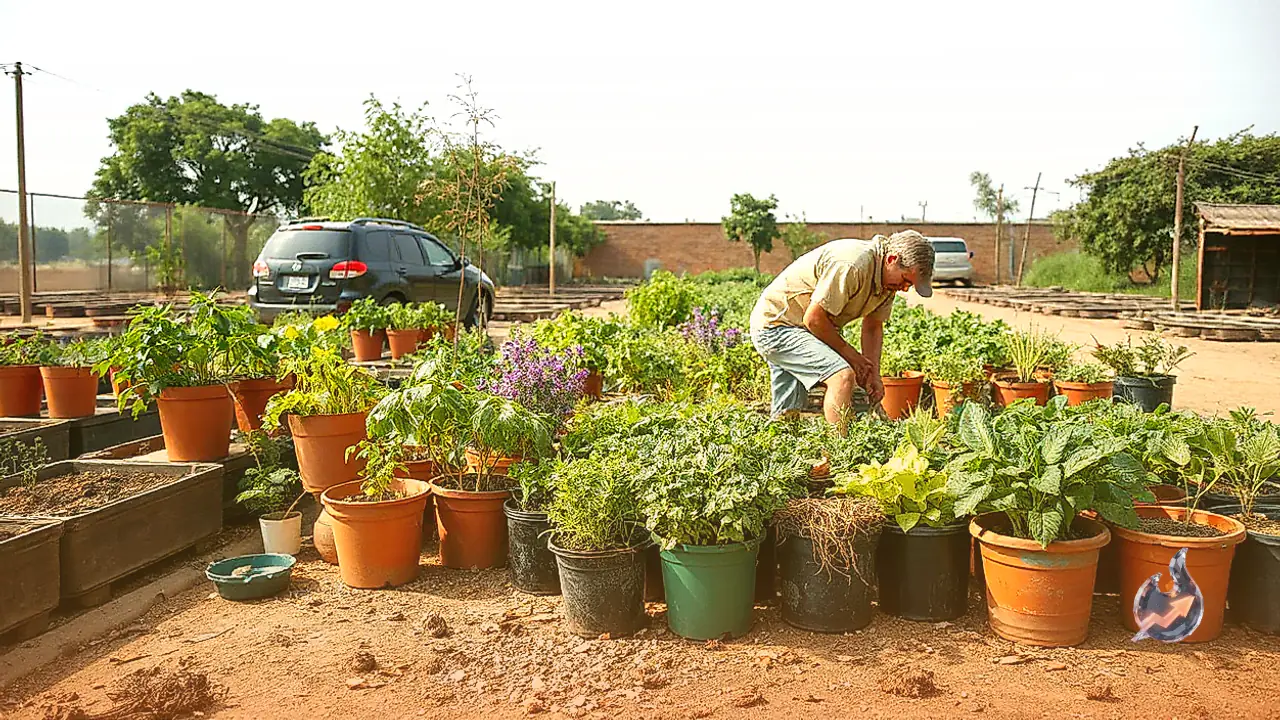



















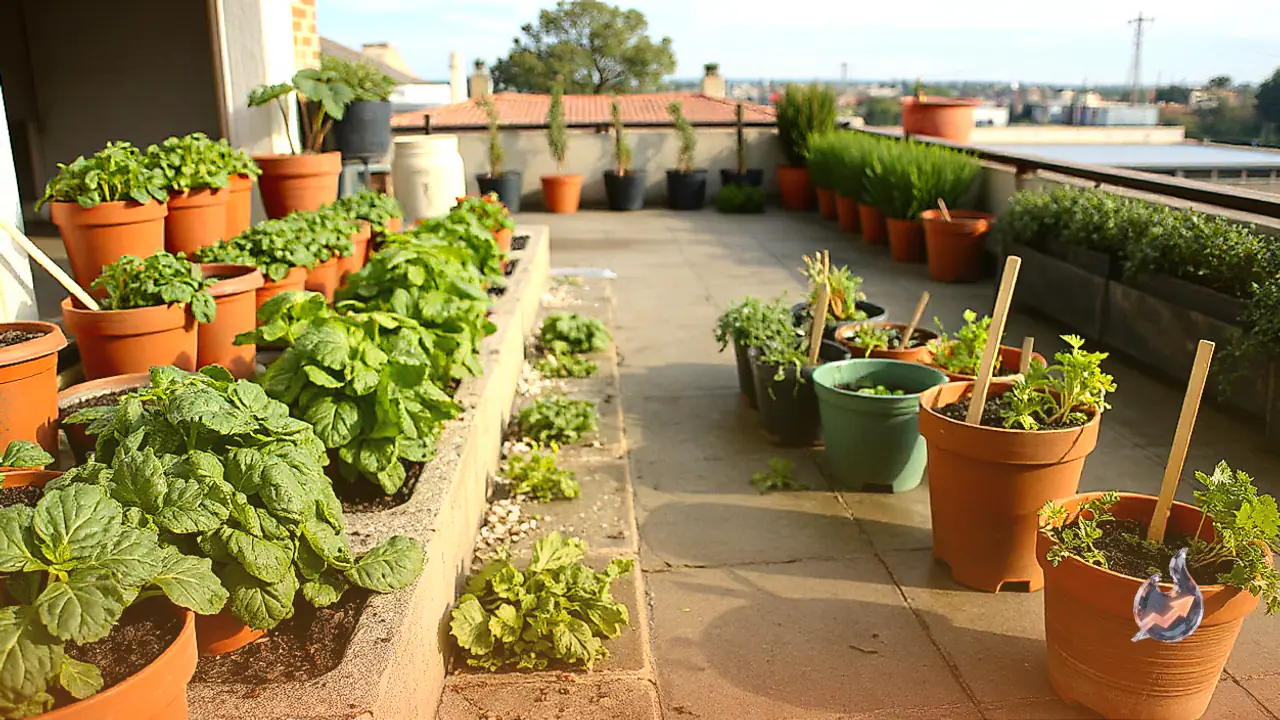

The onset of winter provides ideal growing conditions for setting up a productive container vegetable garden on a home balcony or terrace. As temperatures decline during November, cool season leafy greens and root vegetables thrive with minimal effort. Homeowners with empty containers or fabric grow bags can easily produce fresh, chemical-free kitchen harvests by following a few fundamental planting techniques for spinach, fenugreek, coriander, and radish.
Spinach: Seed Soaking and Harvesting for Regrowth
Spinach is a nutrient-dense winter staple that responds exceptionally well to container gardening when planted in November. Before placing the seeds into the soil, soak them in clean water for approximately 6 hours. This soaking softens the durable outer seed coat, speeding up the germination phase so that young seedlings reliably emerge within 5 to 10 days.
Sow spinach seeds in organized rows inside wide containers or grow bags, ensuring a spacing of around 6 inches between each parallel row. This gap gives the broad leaves enough room to receive direct sunlight and expand outward. With steady soil moisture, the first harvest can be gathered in roughly 30 to 45 days. When harvesting, slice the mature outer foliage gently while leaving the central growing crown and root system intact. Applying a balanced dose of compost or fertilizer right after this initial cut replenishes the plant, promoting rapid secondary flushes of fresh tender leaves.
Fenugreek: Rapid Foliage Ready in 20 Days
Fenugreek stands out as one of the fastest and easiest cool-weather herbs to cultivate in compact household spaces. The preparation required for this crop is minimal, and standard shallow containers work well. Evenly broadcast the seeds across the surface of a prepared, friable soil mix without burying them under a dense layer of dirt. A thin dusting of loose potting mix over the scattered seeds is all that is required.
Keep the soil constantly damp using a gentle misting spray, ensuring that water drains freely so the seeds do not rot in saturated soil. In good growing conditions, fenugreek foliage reaches a harvestable size in approximately 20 days. Gardeners should trim the upper stems with clean shears rather than pulling up the root system. Leaving the bottom section of the stem intact encourages the crop to sprout secondary leaves for later picking.
Coriander: Two-Part Seed Splitting for Reliable Germination
A frequent challenge encountered when sowing coriander at home is poor or inconsistent seed emergence. Overcoming this requires modifying how the whole seeds are handled prior to planting. Place whole coriander seeds on a flat board and roll over them gently with light pressure to split each round husk into two distinct halves, ensuring they do not get crushed into powder.
Submerge these cracked seeds in water for a continuous 24 hours before sowing them into moist soil. Once distributed and lightly covered, laying a single sheet of lightweight newspaper over the potting mix can preserve vital ambient humidity and warmth. The newspaper cover should be lifted and permanently removed the moment green shoots poke through the surface. Position the container in a location that receives ample daily sunlight to maintain sturdy, aromatic stem growth.
Radish: Deep Planters and the Necessity of Thinning
Because radish forms an underground edible taproot, container selection is the deciding factor in achieving healthy yields. Gardeners must use pots or grow bags with a depth of at least 12 inches. The growing medium should remain loose and free of compacted debris so the expanding roots can penetrate vertically downward without structural resistance.
Once the initial seeds germinate into young sprouts, spacing management becomes essential. Gardeners should carefully pull out surplus, tightly clustered seedlings, a standard practice known as thinning. Creating distinct spacing between remaining plants prevents competition for soil nutrients and light. If seedlings are left crowded closely together, the developing roots will remain stunted and thin instead of swelling into crisp, mature radishes.