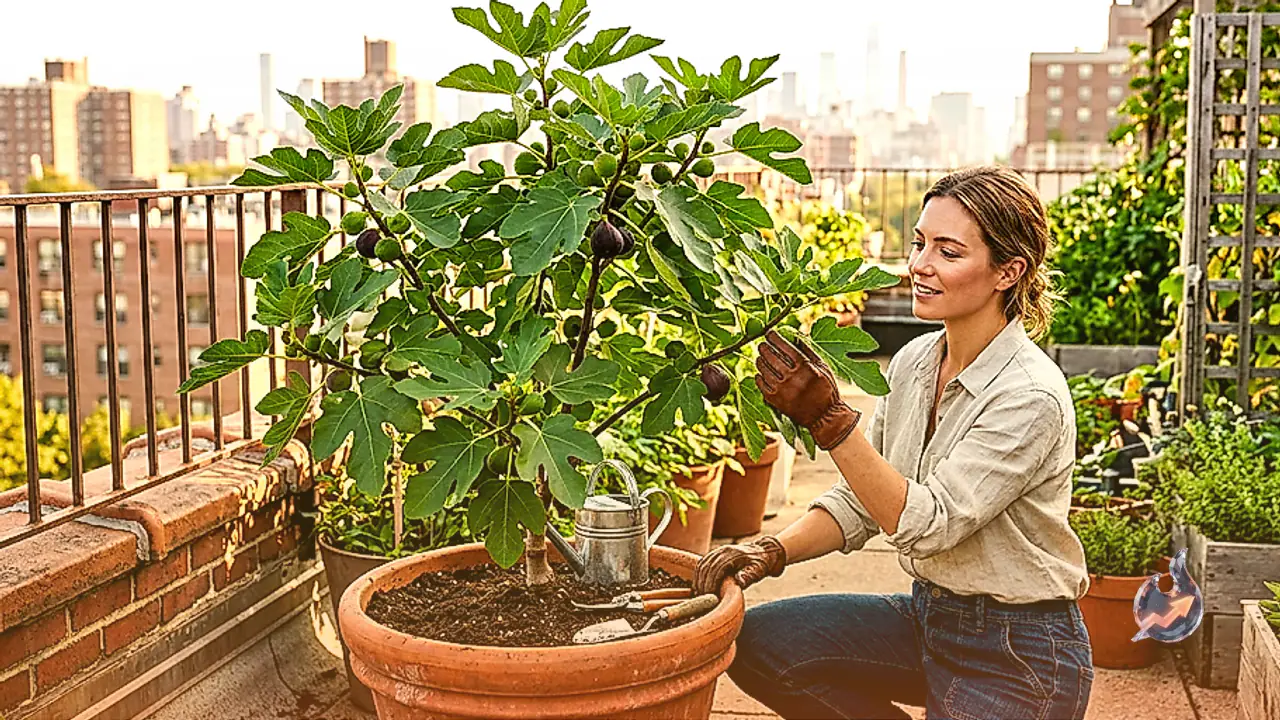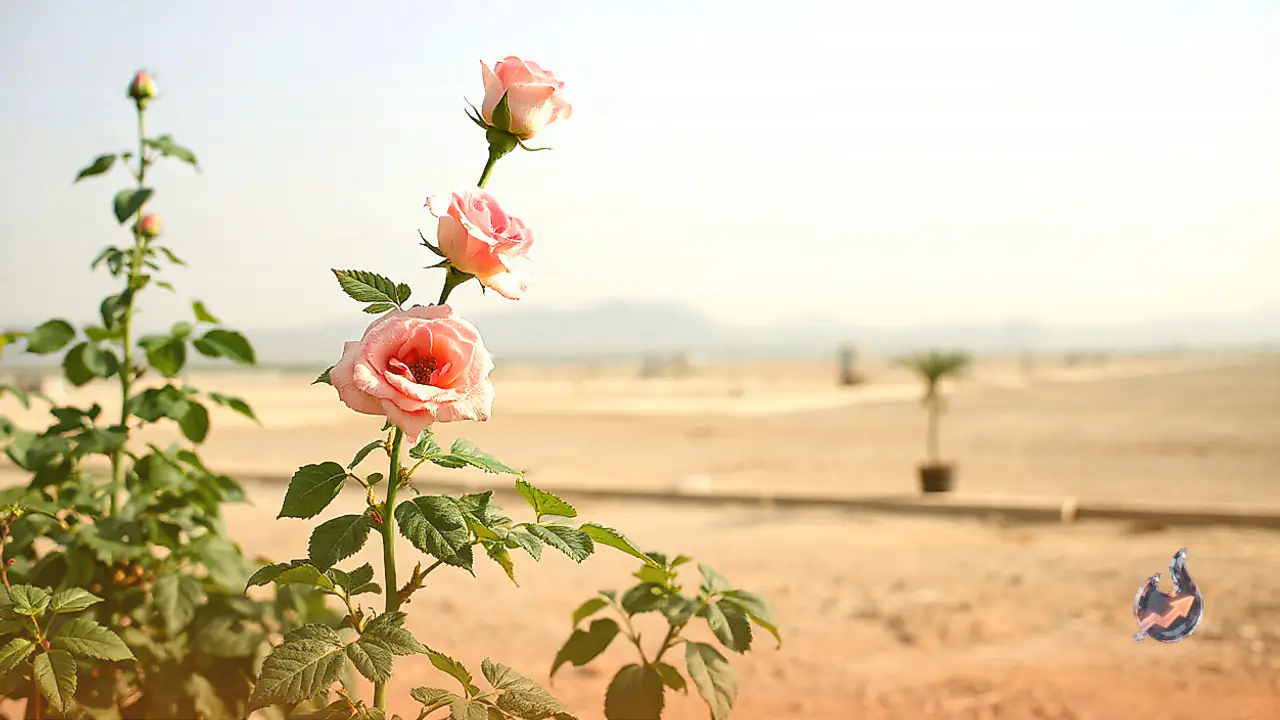

A common problem faced by home gardeners is when a potted rose plant grows exceptionally tall and develops dense foliage, yet shows no signs of blooming flowers. When a plant exhibits strong initial growth, it creates high expectations for a profusion of blossoms, but reality often turns out differently. This issue is frequently caused not just by a lack of fertilizer, but also by improper pruning practices, insufficient sunlight, and an imbalance of essential nutrients within the soil.
Before rushing to purchase expensive commercial gardening products to fix this, attention should be directed toward some straightforward and practical methods. Proper care and a few simple home-based measures can help prepare your rose plant to resume healthy growth and produce flowers once again. Understanding the correct steps is essential for reviving your garden.
Prune Your Rose Plants Properly
If your rose plant has grown excessively tall and displays little more than clusters of leaves, take a close look at its branches. Weak, dry, and tangled branches often distort the natural shape and development of the plant. Removing these unwanted stems clears up space that allows the plant to direct its energy toward fresh growth.
Always use a clean and sharp pair of pruning shears for this task. Snip away any dry, diseased, and overly thin branches to maintain plant health. Depending on the specific condition of the plant, certain long stems can also be trimmed down to a manageable size. Cuts should always be made just above an outward-facing bud or node.
It is important to remember that pruning requirements vary across different rose varieties. Therefore, you should never blindly chop off all the branches of a plant without adequate knowledge. Heavy or mistimed pruning can end up delaying the actual flowering process.
Utilize Onion Peel Water Carefully
Instead of throwing away kitchen onion peels in the trash, they can be repurposed effectively for gardening purposes. While soaking these peels releases certain soluble nutrients into the water, they should never be considered a complete fertilizer or a guaranteed cure for stimulating flower growth on roses.
To prepare this, soak a handful of clean onion peels in a liter of water for a few hours. Afterward, strain the liquid and apply a measured amount into the soil. It is always wise to test this solution on a small section of a single plant first before wider application.
Never store this solution for an extended period. If the water begins to emit a foul odor or shows signs of fungal growth, discard it immediately. For optimal blooming, relying solely on this home remedy is insufficient, and providing a balanced overall diet to the plant remains crucial.
If you are facing any personal confusion or questions regarding health, relationships, lifestyle, or spiritual astrology, you can reach out to us via WhatsApp, and your details will be kept strictly confidential while we provide guidance.
Provide Nutrition Using Farmyard Manure or Mustard Cake
Rose plants require balanced nutrition to achieve healthy growth and abundant flowering. Well-rotted farmyard manure is an excellent choice for this purpose and can be gently mixed into the soil around the plant. This practice helps enrich the soil with vital organic matter over time.
Mustard cake is also commonly utilized as plant nourishment. However, avoid applying large quantities of it directly in its raw form. If you prefer using a liquid fertilizer, make sure it is prepared correctly and applied in appropriate proportions.
Refrain from dumping multiple types of fertilizers simultaneously. Excessive fertilizer application, particularly nitrogen-heavy products, tends to accelerate the growth of leaves and stems excessively while heavily suppressing flower development.
Ensure Adequate Sunlight and Drainage
Alongside these three fundamental methods, daily exposure to roughly six hours of direct sunlight is vital for a thriving rose plant. If your plant is positioned in a location that receives constant shade throughout the day, gradually move it to a spot with brighter light conditions.
Additionally, prevent waterlogging in the soil by watering only as needed and making sure the pot features proper drainage holes at the bottom to let excess water escape freely.