



















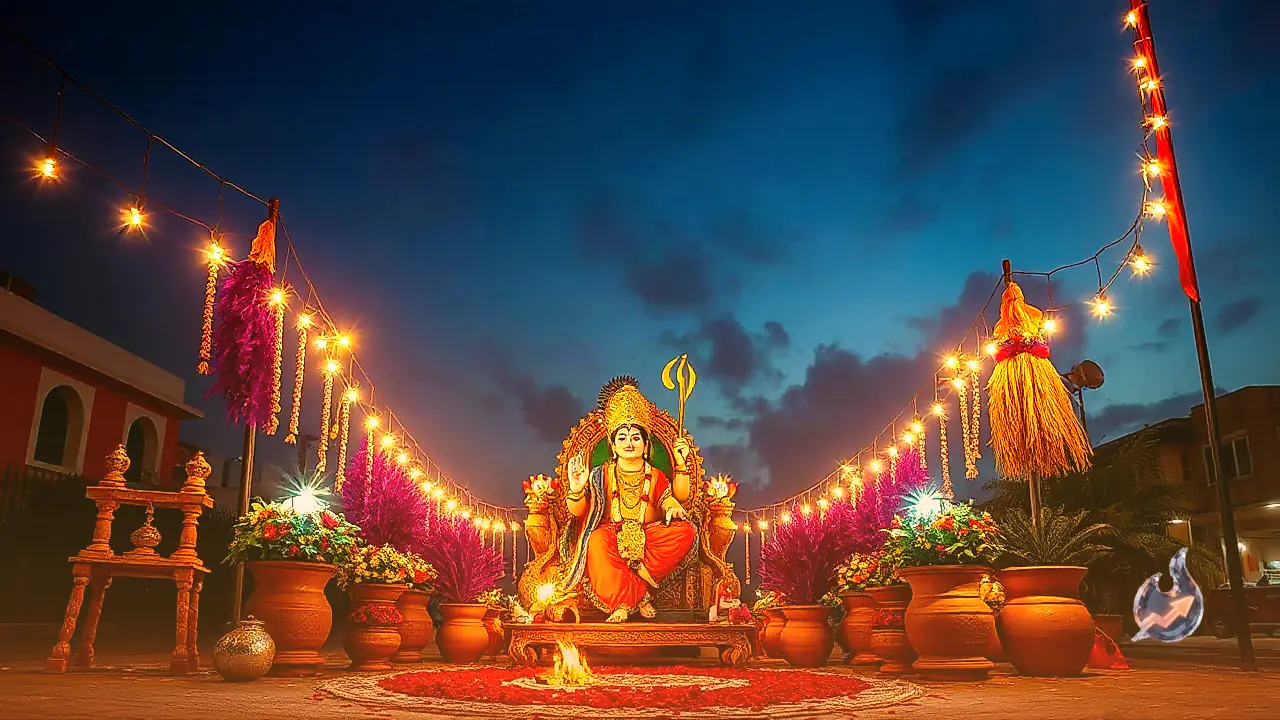

With the festive occasion of Janmashtami approaching, homes across the country prepare to welcome Lord Krishna with great joy and devotion. Setting up a decorated display, known as a jhanki, for Bal Gopal is one of the most beloved traditions of this festival. Creating a breathtaking shrine or darbar for little Krishna at home does not require spending large sums of money on expensive store-bought items. Using everyday household materials such as silk or cotton dupattas, sarees, fresh or artificial flowers, peacock feathers, small earthen pots, flutes, and LED fairy lights, you can design a magnificent festive setup. With a touch of creativity and thoughtful planning, any corner of your house, regardless of size, can be transformed into a serene and auspicious space.
Crafting a Sacred Floral Background With Fresh and Artificial Flowers
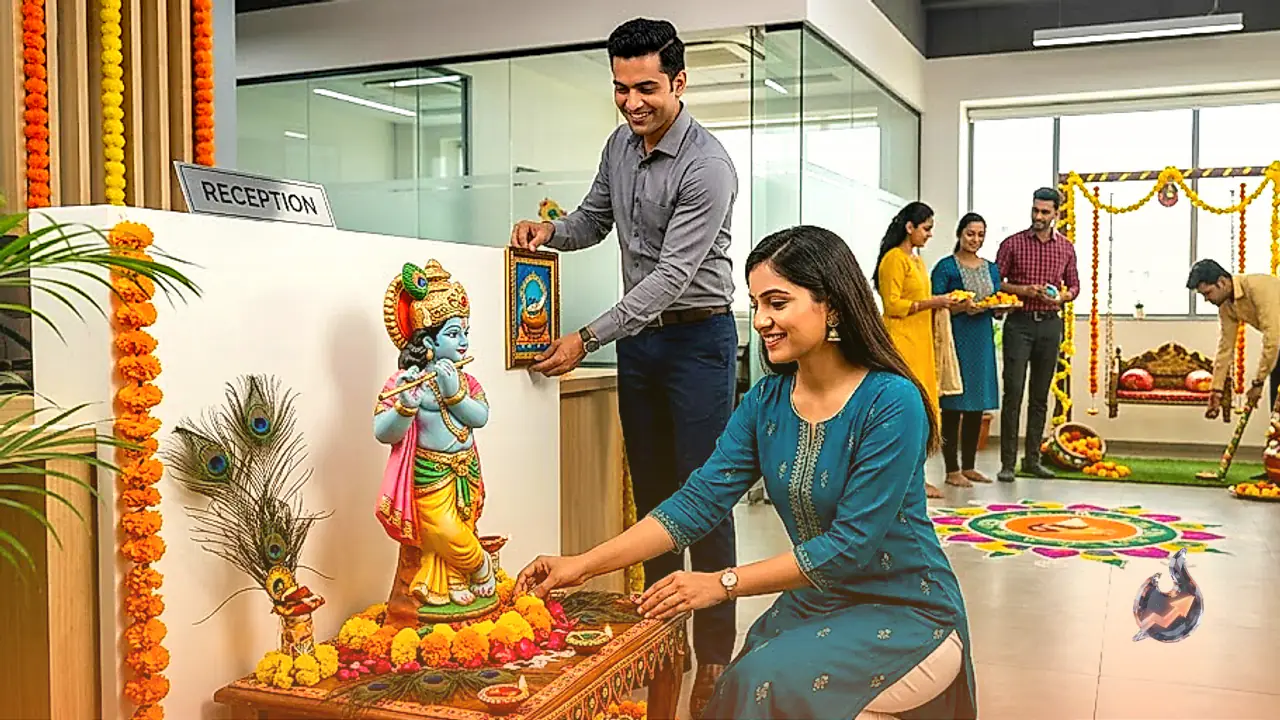
Flowers add an element of natural purity and elegance to any festive arrangement. For a Janmashtami jhanki, garlands made from marigolds, roses, and jasmine can be draped around the shrine or altar area. If fresh blossoms are not readily available, high-quality artificial flowers serve as an equally charming alternative. Arranging flowers in a circular pattern directly behind the idol creates a stunning backdrop that draws immediate attention. Complementing this floral backdrop with soft warm yellow or white lights enhances the overall visual appeal. Opting for gentle, diffused illumination rather than harsh, bright lighting creates a peaceful, meditative atmosphere around the deity.
Designing a Regal Peacock Feather Backdrop
The iconographic depiction of Lord Krishna is incomplete without the presence of peacock feathers, locally known as morpankh. Incorporating these feathers into your decor brings both spiritual significance and aesthetic beauty. You can cluster several peacock feathers together in a fan-shaped structure behind the Bal Gopal idol. Placing the idol at the center and accentuating the surroundings with small flowers and green leaves creates a striking contrast. Alternatively, if you have spare decorative cardboard, cut it into a peacock feather silhouette and adorn it with real feathers and metallic borders to make a custom backdrop at minimal cost.
Embracing a Rustic Theme With Earthen Pots, Flutes, and Ropes
To evoke the traditional charm of Vrindavan, incorporate rustic elements such as small earthen pots, wooden flutes, and natural fiber ropes into your decor scheme. Paint or decorate small clay matkis with floral motifs and place them symmetrically on either side of the idol. These pots can also be filled with artificial greenery or flowers to function as decorative planters. Placing a embellished miniature flute near the deity highlights the central theme of the celebration. To build a cohesive look, drape a light-colored fabric over the wall and mount a small ensemble of flutes, peacock feathers, and flower bunches onto it.
Transforming Plain Walls With Vibrant Sarees and Dupattas
You do not need specialized wall coverings or expensive drapes to create a dramatic background for your shrine. Elegant sarees, festive dupattas, or traditional textiles already present in your home make exceptional backdrop fabrics. Bright hues such as red, yellow, pink, royal blue, or gold are particularly well-suited for Janmashtami. Pin the fabric against the back wall, allowing subtle pleats and folds to form naturally. Framing the edges with hanging flower garlands or delicate fairy lights instantly elevates an ordinary space into a sanctuary-like setup.
Minimalist Decoration Strategies for Compact Spaces
If you are decorating a small apartment or a room with limited space, a minimalist approach works best. Instead of attempting a grand installation, place the Bal Gopal idol on a neat wooden stool or platform covered with a clean cloth. Frame the idol with a single garland of fresh flowers, a pair of peacock feathers, and subtle lighting. Complement the setup with a neat rangoli design on the floor beneath the platform. When decorating compact areas, avoid overcrowding with too many decorative items. Highlighting two or three key elements ensures that the jhanki remains clean, clutter-free, and visually appealing.
Illumination Techniques and Essential Electrical Safety
Lighting plays a crucial role in bringing the jhanki to life during evening prayers and nighttime celebrations. Stringing warm white fairy lights around the background fabric creates a subtle glow. Traditional clay lamps or small flame-less LED candles placed around the platform add warmth to the ambiance. However, maintaining safety is paramount when setting up electrical lighting. Ensure that all wiring, plugs, and heat-generating lights or open flames are kept at a safe distance from delicate fabrics, dry flowers, and the idol itself. A beautiful setup must always prioritize household safety.
Completing the Setup With a Decorated Swing and Floor Rangoli
A miniature decorated swing, or jhula, for Bal Gopal is often the highlights of a Janmashtami altar. The swing can be embellished with fresh marigold strings, colorful beads, or delicate lace. Gently swaying the deity in the jhula during the midnight celebration is a cherished ritual. To finish the overall arrangement, create a colourful rangoli at the base of the platform using colored rice, flower petals, or traditional rangoli powders, adding vibrant energy to the entire festive corner.