




















In everyday Indian households, preparing slightly more food than strictly required is a regular occurrence. At times, a larger batch of dal is cooked during lunch or dinner, while on other occasions, the quantity of dry cooked vegetables exceeds initial estimates. The following day, when these leftovers are retrieved from the refrigerator, family members often express reluctance to eat the exact same meal again. Serving identical dishes repeatedly with the same appearance and flavor naturally diminishes appetite. Under such circumstances, most households either reheat the leftovers hesitantly or end up discarding them due to a lack of creative alternatives. However, with a basic understanding of culinary tricks, thoughtful planning, and minimal effort, these leftovers can be transformed into appetizing, entirely new dishes. This process requires neither expensive ingredients nor extensive preparation time.
Transform Leftover Dal into Crispy Pancakes and Nutritious Breakfast
If you have leftover cooked lentils remaining after dinner, using them for the morning breakfast instead of plain reheating is an excellent approach. To prepare delicious savory pancakes or cheelas from leftover dal, begin by transferring the lentils into a spacious mixing bowl. Using a spoon or a potato masher, mash the dal thoroughly to smooth out any large lumps. Next, add a suitable quantity of gram flour (besan) or semolina (suji) to the bowl. Incorporating gram flour or semolina provides the necessary binding strength, ensuring that the pancake holds its shape and does not break apart while cooking on the skillet.
To this mixture, add finely chopped onions, finely cut green chillies, fresh coriander leaves, and a pinch of salt according to taste. Since the leftover dal already contains salt and spices from its original preparation, exercise caution when adding supplementary seasonings. Gradually pour in small amounts of water while whisking to achieve a smooth batter with an ideal pourable consistency.
Once the batter is ready, place a flat skillet or tawa on the stove and grease it lightly with a small quantity of cooking oil. When the skillet is moderately heated, pour a ladleful of the batter onto the center and spread it outward in a circular motion like a thin pancake. Maintain medium flame and cook the pancake until both sides achieve an appealing golden brown color and a crispy texture. Serve these hot cheelas alongside fresh yogurt or tangy green chutney. The flavor of this dish is so delightful that anyone tasting it will find it hard to guess that its primary base was leftover dal.
Craft Savory Rolls, Sandwiches, and Stuffed Flatbreads from Vegetables
Dry vegetable dishes featuring potatoes, cauliflower, green peas, or mixed vegetables are frequently left over in the kitchen. These leftover vegetables can be served in a fresh and flavorful manner. To begin the makeover, place the leftover vegetables in a bowl and mash them lightly to break down larger pieces into smaller fragments. Add finely chopped onions, chopped coriander leaves, and a dash of chaat masala, mixing all ingredients thoroughly. If the vegetable dish contains excess gravy or moisture, heat it in a pan over low flame for a few minutes before use. This step evaporates the surplus liquid, creating a thick consistency suitable for filling.
Next, take a freshly baked flatbread such as a roti or paratha, and spread a thin layer of green chutney or coriander-tomato chutney over one side. Place a generous portion of the prepared vegetable mixture along the center of the flatbread. Top it with sliced onions and a squeeze of fresh lemon juice. Roll the flatbread tightly from both sides to form a neat wrap. This roll serves as an efficient solution for children's school lunchboxes or evening snack cravings. Children who usually resist eating plain leftover vegetables often finish these attractive rolls eagerly. Alternatively, this vegetable mixture can be placed between bread slices for grilled sandwiches or stuffed into wheat dough to make stuffed parathas.
Combine Leftover Dal and Vegetables for Crispy Cutlets
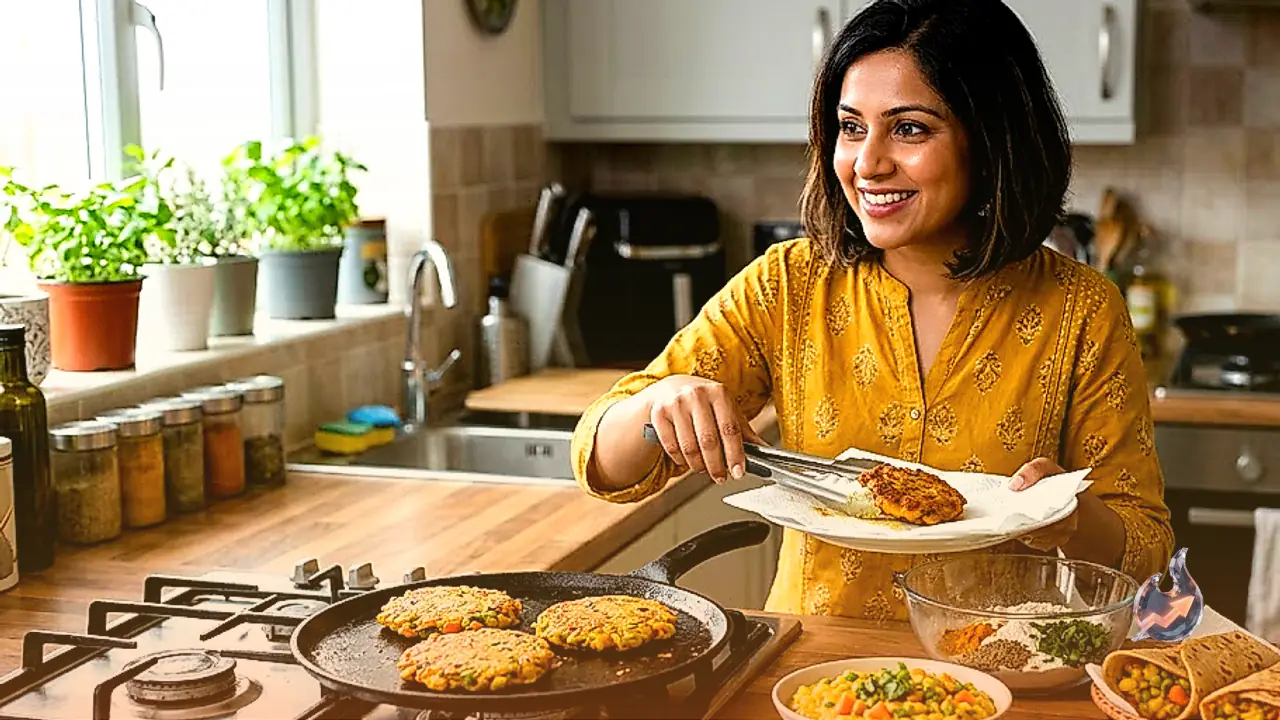
Occasions frequently arise where small portions of both leftover dal and cooked vegetables remain in the kitchen. When individual quantities are too minor to constitute a complete dish on their own, combining them to make crispy cutlets is a highly practical idea. Combine the remaining dal and dry vegetables together in a large mixing bowl.
To establish proper binding and ensure the cutlets retain their structure during frying, add a boiled mashed potato, a few breadcrumbs, or semolina to the mixture. The mashed potato and breadcrumbs absorb excess moisture from the dal and vegetables, preventing the patties from crumbling or absorbing excessive oil on the pan. Season the mixture with light spices and chaat masala according to preference. Knead the mixture gently and shape small portions into flat patties or tikkis using your palms.
Place a skillet on medium heat and add a minimal amount of cooking oil for shallow frying. Arrange the shaped patties on the skillet and cook over low to medium heat. Flip them periodically until the exterior turns golden brown and crunchy on both sides. Once cooked, transfer them onto a serving plate. Crispy on the outside and tender on the inside, these cutlets make an outstanding accompaniment for evening tea.
Simple and Effective Flavor Enhancement Techniques
The primary objective during any leftover makeover is to alter the original taste profile and visual presentation of the preceding meal. Achieving this transformation does not require complicated techniques or specialized ingredients; ordinary kitchen staples are sufficient. Incorporating items such as chaat masala, fresh lemon juice, chopped coriander, tangy green chutney, thick curd, or a small sprinkle of grated cheese can elevate the flavor profile of the dish dramatically.
However, while adding new spices or condiments, it is crucial to remember that the base dish already contains salt, chillies, and aromatic spices. Therefore, maintaining a careful balance of additional seasonings is essential to avoid over-salting or making the dish excessively spicy.
Essential Guidelines for Food Safety and Hygiene
Prior to cooking or repurposing leftover food, evaluating its freshness and safety is an indispensable step. If cooked food has remained uncovered at ambient room temperature for an extended duration, avoid using it. If the food exhibits any off-odors, discoloration, or a sour taste, discard it immediately rather than attempting to re-cook it.
Only food that was cooled promptly after initial preparation and stored in clean, covered containers inside the refrigerator is safe for repurposing. Flavor enhancement should never come at the expense of health and hygiene.
Practical Benefits of Reducing Kitchen Waste
Adopting these smart kitchen strategies helps prevent food wastage while significantly reducing daily cooking stress. There is no requirement to procure fresh groceries or engage in lengthy prep work for every single meal or snack. With a touch of culinary creativity, yesterday's leftover meal reaches the dining table in a fresh, appetizing format.
The most appealing aspect of leftover makeovers is that they do not require rigid adherence to fixed recipes. You can experiment freely based on whatever ingredients are available in your kitchen. On one day, leftover dal can become a cheela, while on another, cooked vegetables can be turned into rolls or cutlets. Focusing on taste, cleanliness, and food freshness remains the ultimate key to success.