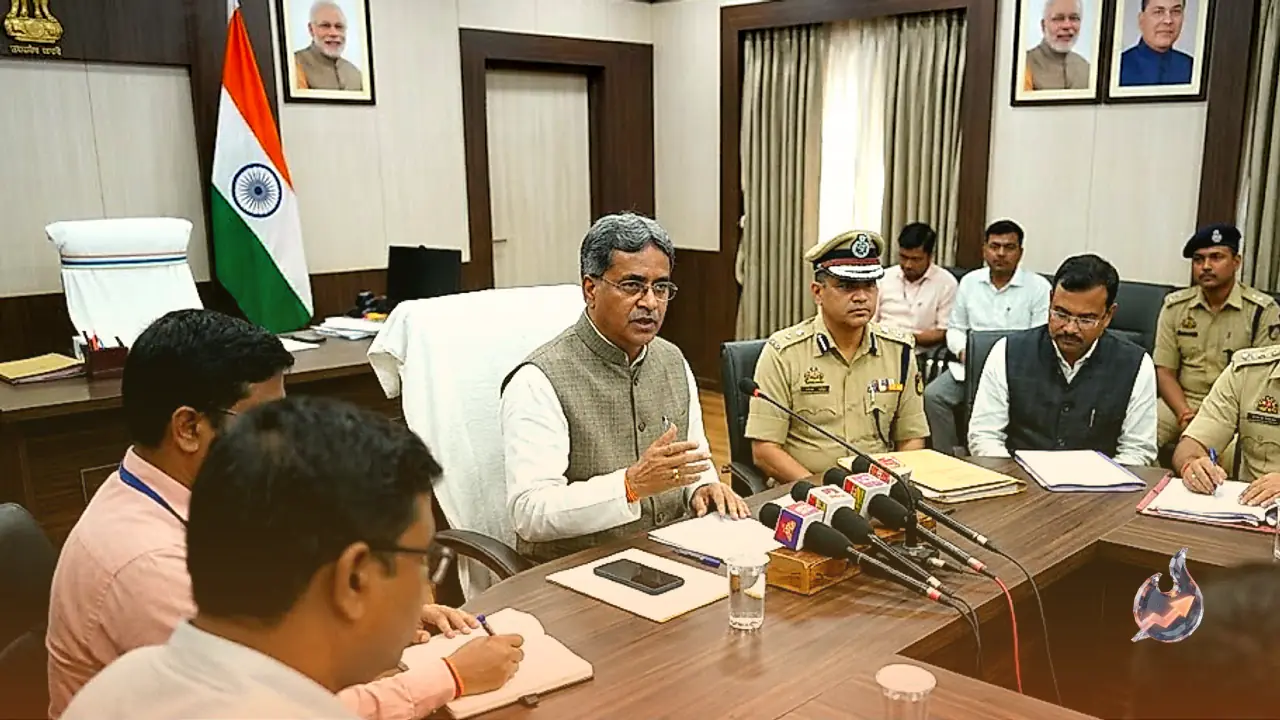



















Primary schools across Tripura achieved a historic milestone by recording a zero percent student dropout rate during the 2025-26 academic session. Chief Minister Manik Saha shared these official educational statistics while addressing delegates at the International Literacy Day and ULLAS Mela 2026 gathering held in New Delhi. The achievement reflects the state administration's persistent administrative strategy aimed at strengthening foundational literacy and numeracy skills across every elementary institution in the state.
Progress in Secondary Education and Transition Rates
Alongside the primary school milestone, Tripura has registered substantial progress in keeping secondary students enrolled through their crucial schooling years. Official data shows that the dropout percentage among students in Classes IX and X declined significantly from 25.51 percent recorded in 2013-14 down to 10.40 percent in the 2025-26 academic year. Chief Minister Manik Saha stated that the state government remains dedicated to lowering this secondary dropout figure to an absolute minimum within the next three to four years. He emphasized that government agencies are working consistently to enhance overall student transition rates across the entire schooling ecosystem, ensuring students progress smoothly from primary to secondary levels.
School Consolidation and Residential Infrastructure in Rural Areas
To tackle geographic barriers and low student enrollment in remote hamlets, the state government is pursuing a strategic reorganization of rural educational infrastructure. Authorities intend to consolidate small schools operating with very low student numbers into larger, well-equipped central hubs. As part of this reform, the state is establishing modern residential schools tailored for children from isolated regions. This infrastructure model ensures that students in difficult terrains receive high-quality education and complete their schooling without dropping out due to long travel distances or lack of local educational facilities.
Adult Literacy and Practical Lifelong Learning Framework
Educational reforms in Tripura extend beyond formal child schooling into adult education through the ULLAS scheme, also known as the Nav Bharat Saaksharta Karyakram, which the state has actively implemented since 2022. The program blends basic literacy with essential life skills, focusing on adult health, hygiene, and economic awareness. Chief Minister Manik Saha highlighted that several innovative best practices were introduced during 2026 to make learning functional and impactful for adult neo-learners across the state.
Financial Skills, Market Math, and Hygiene Awareness
The adult learning curriculum incorporates targeted practical modules to help neo-learners manage daily economic and social tasks independently. Through financial literacy drives, adult students learn how to operate bank accounts, complete deposit slips, use cheque books, and navigate formal banking services. The state also introduced experiential market learning, which uses routine commercial activities such as buying goods, selling items, and comparing market prices to strengthen functional reading and arithmetic skills. Furthermore, public health campaigns conduct live demonstrations on proper handwashing, personal cleanliness, and community sanitation to improve health standards among adult learners.