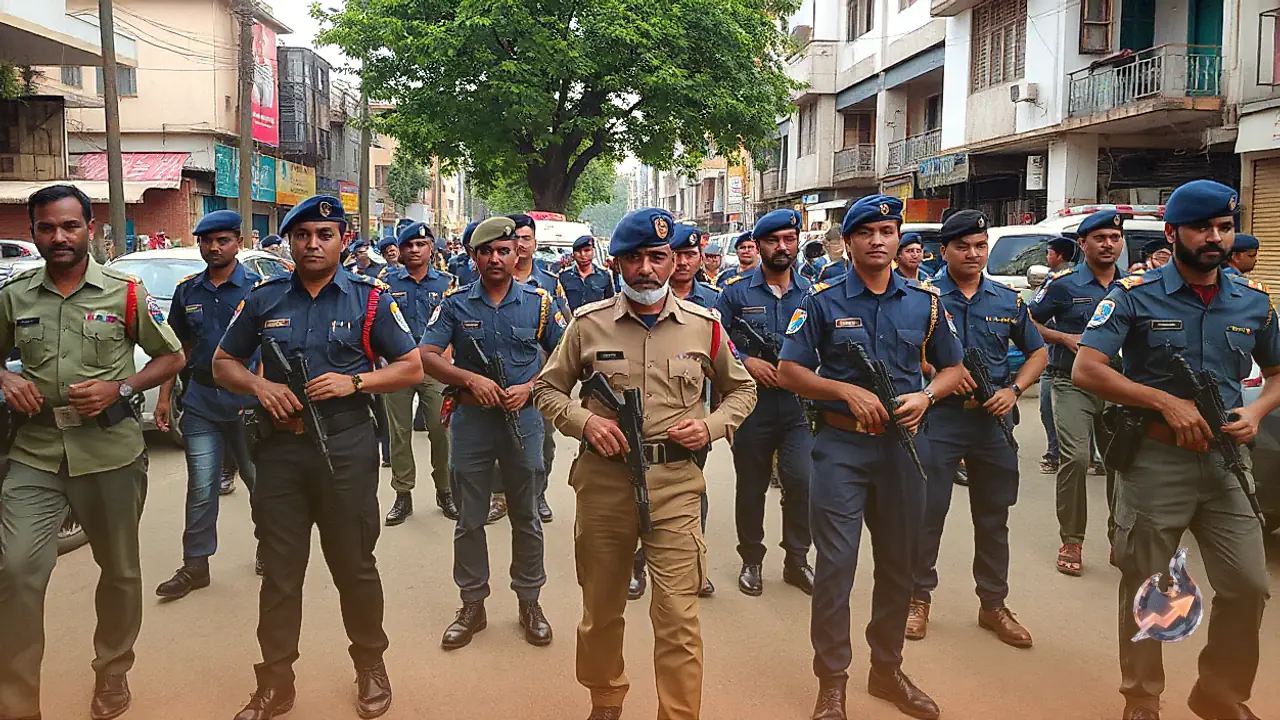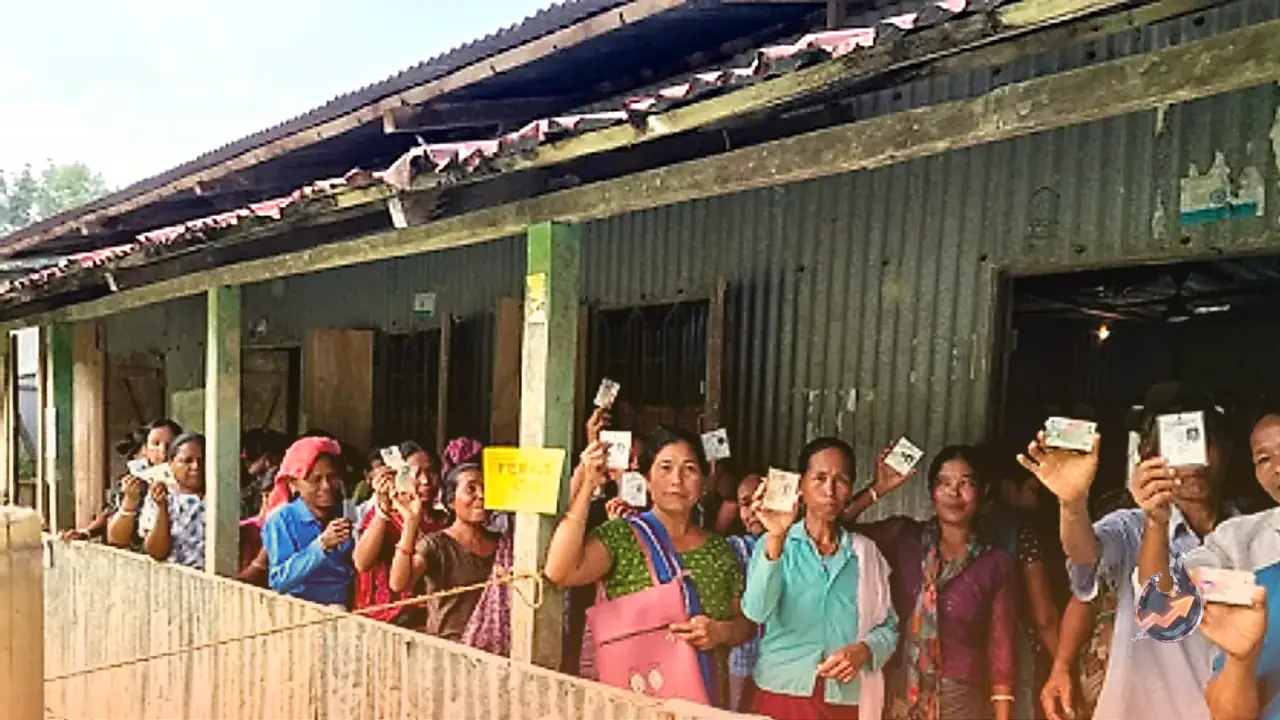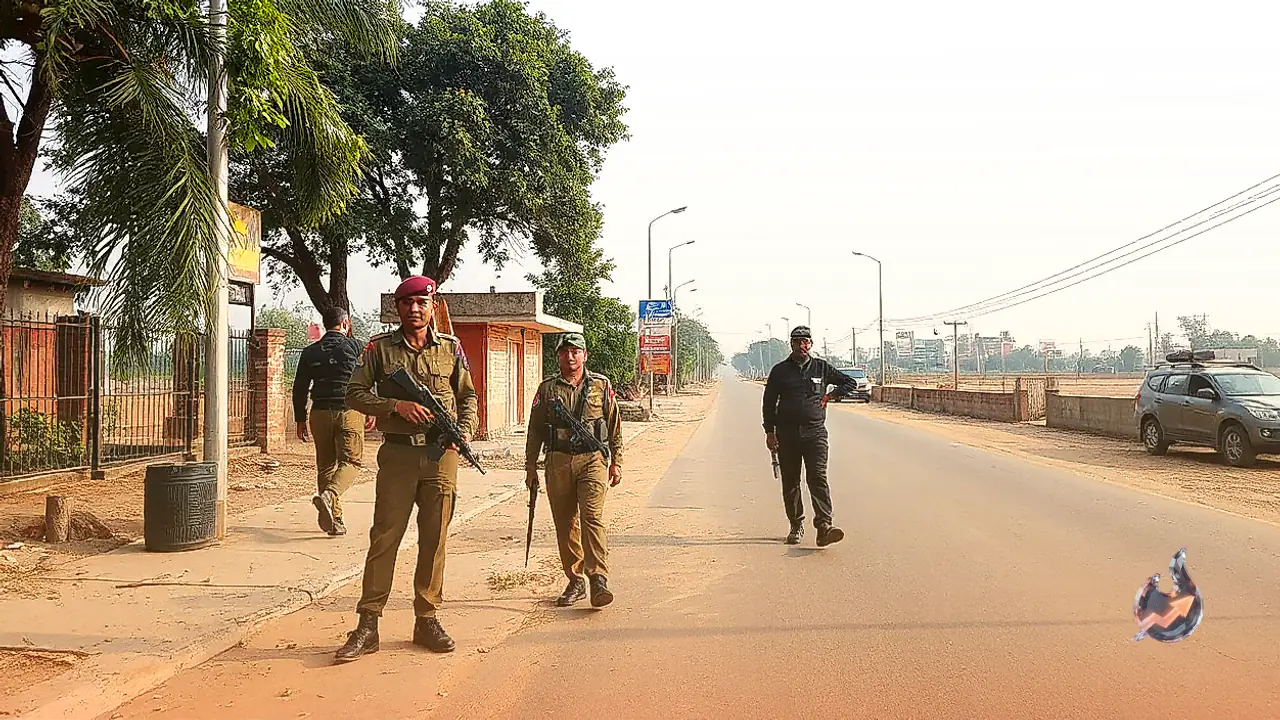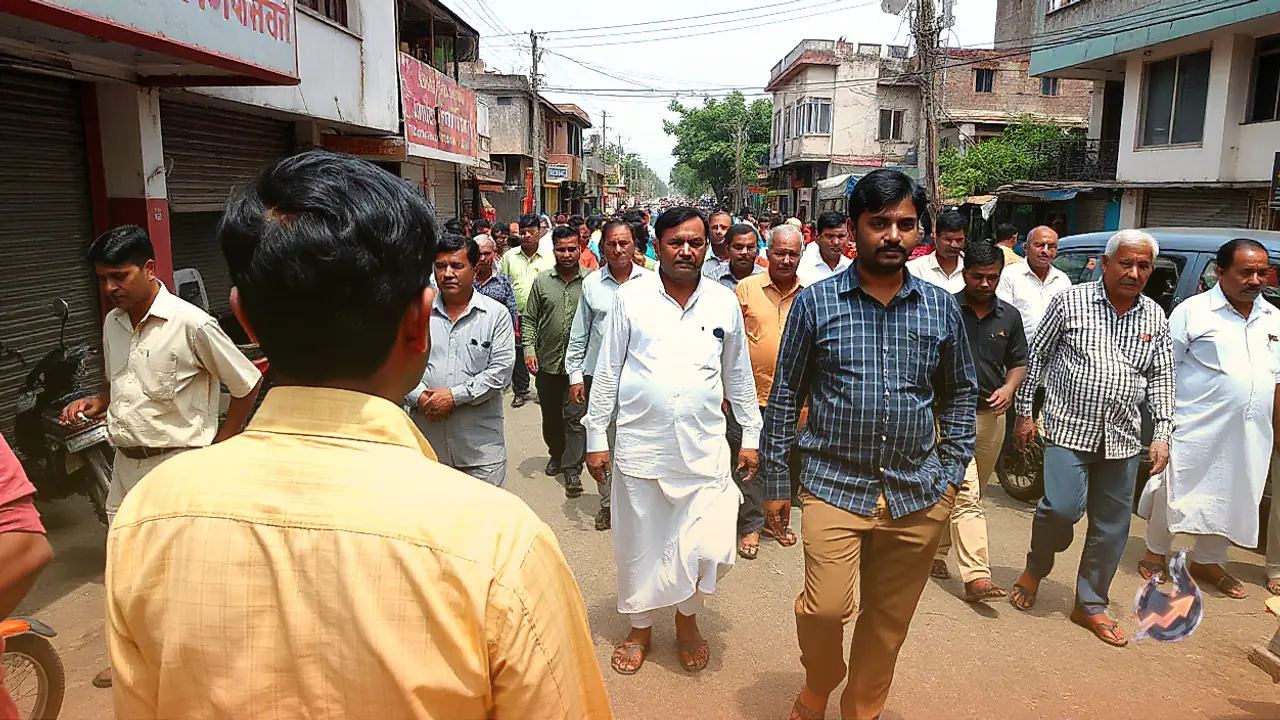

Voter turnout reached 80.69 per cent across 16 urban local bodies in Tripura during elections held on Friday. While state election authorities stated that voting remained largely peaceful with only minor incidents reported, opposition political parties raised serious allegations of election-related violence, voter intimidation, and booth capturing in several areas.
Turnout Statistics and Election Breakdown
State Election Commissioner Pradip Kumar Chakravarty confirmed that an average turnout of 80.69 per cent was recorded across the 16 local bodies where polling took place. He noted that the voting process proceeded without major disruption, except for a few isolated disturbances within the Agartala Municipal Corporation area.
Tripura comprises 21 urban local bodies containing a total of 345 seats. Prior to voting day, the ruling BJP secured 77 seats uncontested. This included all 65 seats across five entire municipal bodies, namely Kamalpur, Santir Bazar, Ranir Bazar, Jirania, and Mohanpur. Consequently, voting was conducted for the remaining 268 seats. In terms of candidate participation, the BJP fielded 342 candidates, followed by the CPI(M) with 218 candidates and the Congress party with 201 candidates.
Opposition Claims and Demands for Repolling
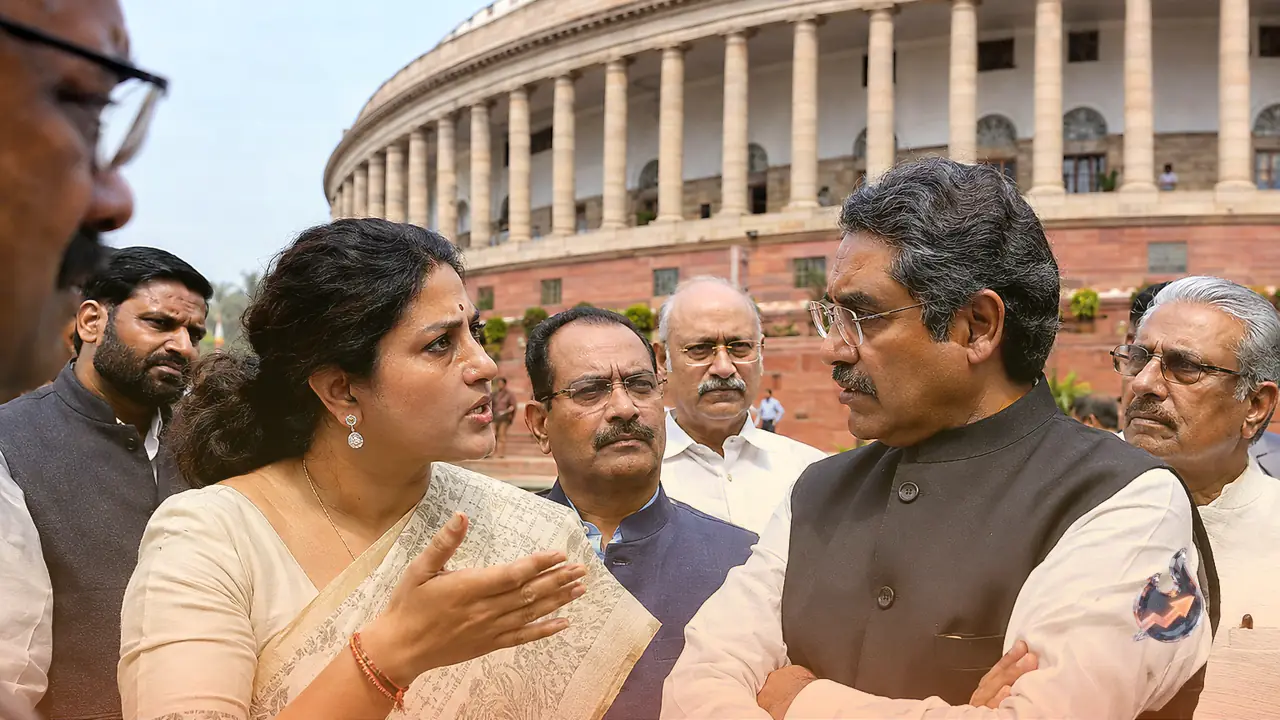
Opposition leadership strongly criticized the conduct of the civic elections. Leader of the Opposition and CPI(M) leader Jitendra Chaudhury alleged that the election process was severely undermined by acts of physical assault, harassment, and voter intimidation led by supporters of the ruling party.
Chaudhury stated that the CPI(M) has formally demanded repolling in seven of the 16 urban local bodies where voting occurred. The affected bodies include the Agartala Municipal Corporation, Belonia, Udaipur, Melaghar, Bishramganj, Bishalgarh, and Khowai.
The opposition leader further claimed that polling agents, opposition candidates, female voters, and retired government employees faced physical harassment during the polling hours. He alleged that outside elements were brought in to influence voting outcomes, arguing that such tactics reflected growing political vulnerability on the part of the ruling establishment.