




















One of the longest-running and most successful shows in television history, 'Taarak Mehta Ka Ooltah Chashmah', has been broadcasting continuously for 18 years. Over nearly two decades, the show underwent numerous creative shifts and cast transitions, yet its core comedic essence and viewer connection remain intact. Every character within the ensemble holds a distinct identity that resonates across generations. Producer Asit Modi played a central role in driving the show's sustained popularity, navigating through intermittent controversies and allegations along the way. Upon completing 18 years of uninterrupted broadcast, Asit Modi shared detailed insights into the show's journey, its societal impact, and foundational memories from his own youth.
Real World Impact of the Gokuldham Vision
Reflecting on the cultural footprint of the show, Asit Modi highlighted how the fictional 'Gokuldham Society' inspired real-life housing developments across India. The emphasis on collective celebration, mutual support, and communal harmony resonated deeply with viewers. According to Modi, several housing groups informed him that their residential layouts and community bylaws were explicitly modeled after the show's depicted lifestyle. He shared that he received a formal invitation to visit a newly developed residential colony in Rajkot created around this very philosophy. He emphasized that despite ideological or cultural differences, citizens must actively discover ways to coexist peacefully without resorting to constant friction.
Prioritizing Indian Identity Over Caste and Religion
Addressing growing social fragmentations driven by caste, religion, and regional language, Asit Modi offered a critical commentary on contemporary interpersonal dynamics. He noted that modern introductions often hinge immediately on determining an individual's religious background, caste affiliation, or regional origin. Expressing his view on resolving these divides, Modi stated, "If we first identify ourselves as Indian, many of society's problems will be resolved." He stressed that foregrounding national identity naturally nurtures universal brotherhood and strengthens the collective social fabric.
Growing Up in Mumbai Chawls and the Bond with Neighbors
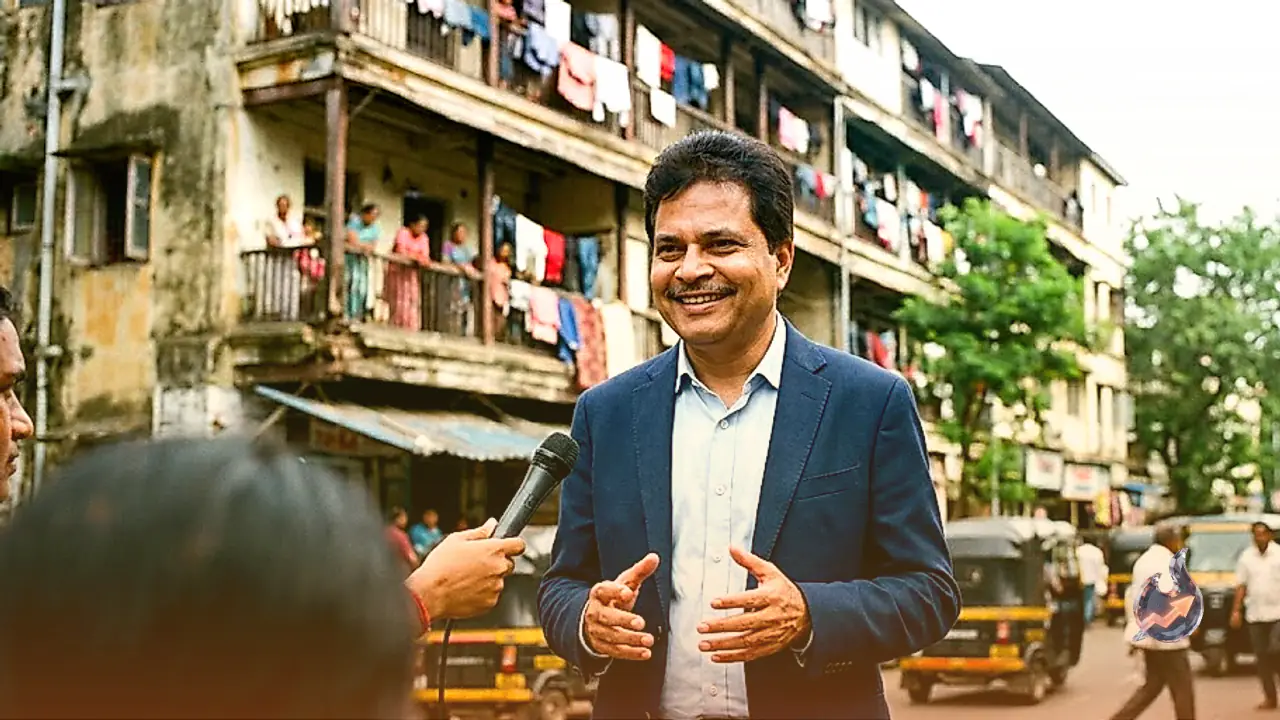
Recalling his childhood, Asit Modi reflected on the unique social dynamics of growing up in Mumbai's traditional chawls. He revealed that both he and actor Dilip Joshi, who portrays the lead character Jethalal, spent their formative years living in chawl accommodations across neighborhoods such as Bhuleshwar, Kalbadevi, and Dadar. Because living quarters in chawls were compact, boundaries between households blurred, making immediate neighbors an extension of one's core family. Back then, nuclear family setups were far less common. Modi added that he maintains strong personal relationships with neighbors he lived alongside when he was merely six or seven years old.
Mutual Adjustment and Gratitude Toward Essential Workers
The lessons learned from chawl life, Modi explained, revolve around compromise, shared space, and everyday empathy. In sharp contrast, modern high-rise living often isolates residents, leaving many unaware of who resides next door. He lamented that people frequently fail to offer a simple smile or greeting to security watchmen and lift operators. Modi underscored that society must remain deeply grateful to essential service staff, asserting that in times of crisis, immediate neighbors serve as an individual's primary family support system.