


















The 1947 Partition of India and Pakistan stands as one of the most tragic moments in history, leaving lingering emotional pain that continues to touch millions of hearts. Overnight, the border line uprooted countless families, stripping away their homes, heritage, and livelihoods. Over the decades, mainstream Hindi cinema has frequently attempted to portray this human agony on the big screen. Most recently, filmmaker Imtiaz Ali explored a Partition backdrop in his movie 'Main Pawas Aunga', which received warm appreciation from viewers. However, it was on the small screen of television that this historical tragedy was rendered with such raw emotional authenticity that it forever transformed Indian broadcasting history.
Filmmaker Ramesh Sippy's Landmark Journey into Television
Famed for directing the legendary Hindi cinema blockbuster 'Sholay', acclaimed director Ramesh Sippy made only one television serial in his entire career, and that historic show was 'Buniyaad'. In the 1980s, when a director known for grand cinematic scale turned to the intimate medium of television, he eschewed commercial flashiness in favor of subtle human drama. The series was authored by the celebrated writer Manohar Shyam Joshi, whose sharp narrative and insightful dialogues gave the narrative its soul. Premiering on the national network Doordarshan in 1986, 'Buniyaad' achieved unprecedented acclaim. It was not merely a television show; it became a living account of the tears, struggles, and endurance of refugee families who lost everything during Partition.
From Lahore to Delhi: Master Haveliram and the Reality of Relief Camps
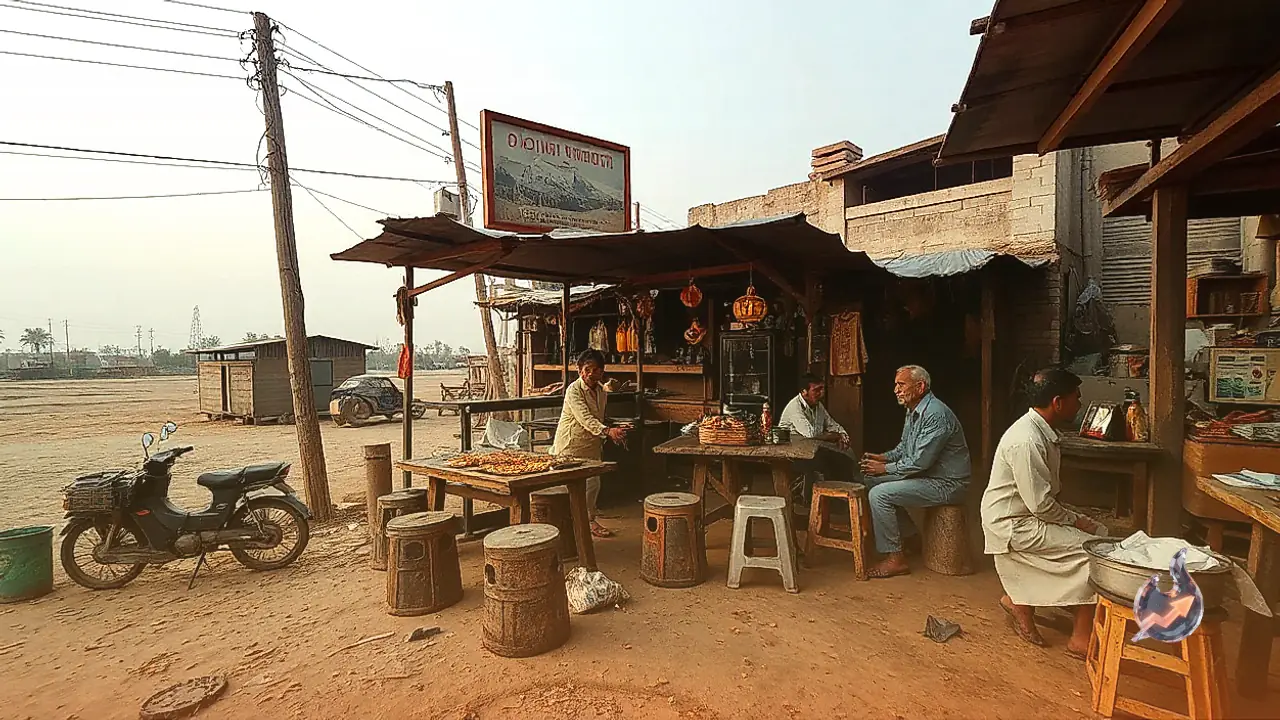
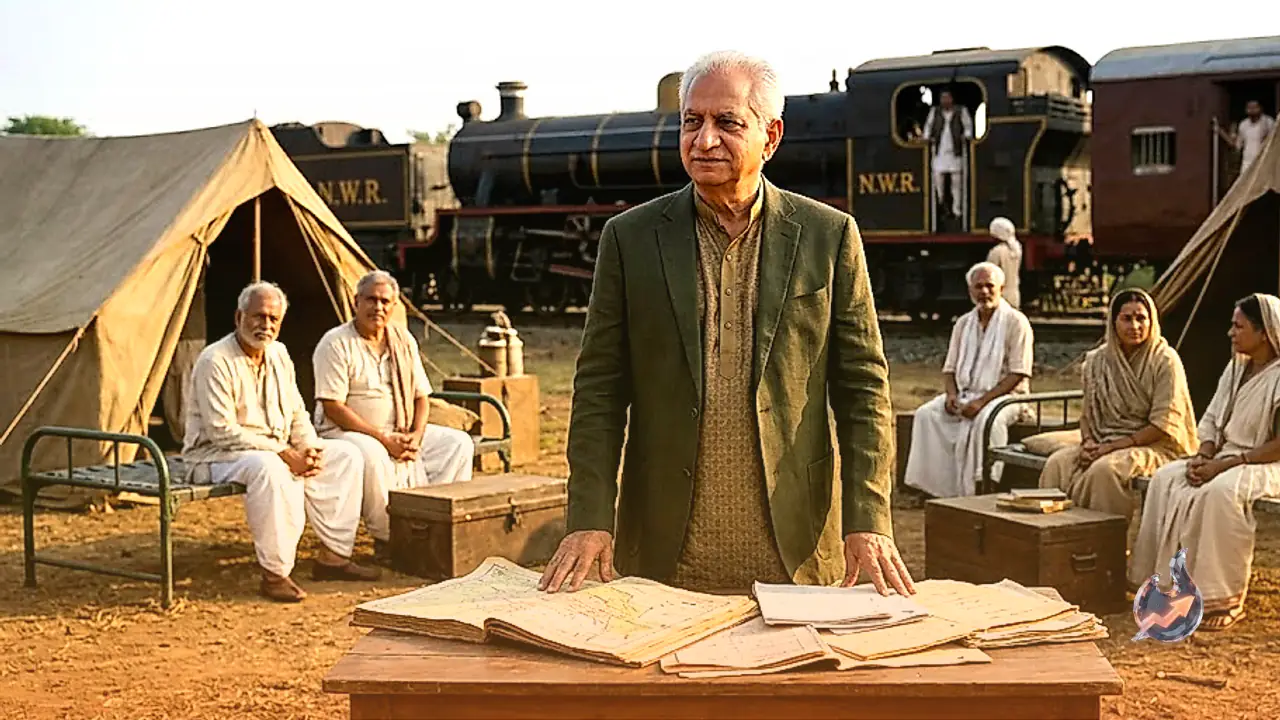
The central plot of 'Buniyaad' revolves around Masterji, formally known as Master Haveliram, and his family. Following the violence of Partition, Masterji's family leaves behind their home in Lahore and arrives in Delhi to rebuild their fractured lives inside crowded refugee camps. Moving away from his signature large-scale filmmaking style, Ramesh Sippy framed the narrative around simple human relationships, affection, betrayal, and relentless survival. Historical media archives and Doordarshan records show that 'Buniyaad' was considered the most realistic show of its era because Sippy meticulously focused on historical details. The period-appropriate clothing, the natural blend of Punjabi and Hindi spoken in that era, and the authentic atmosphere of Delhi refugee camps were portrayed with such fidelity that survivors of Partition felt an instant personal connection. Archives record that whenever an episode aired in 1986, streets across towns and cities would become completely deserted.
Iconic Characters and a Stellar Ensemble Cast
A major strength of 'Buniyaad' was its extraordinary star cast and the memorable characters they brought to life. Alok Nath delivered a landmark performance as Master Haveliram, a role that permanently established him as television's most beloved father figure, affectionately called Babuji. Anita Kanwar portrayed Masterji's wife Lajjo with such natural grace that viewers often mistook her for the real-life character. Kanwaljit Singh as Lochan, Dalip Tahil as Bhushan, and Krutika Desai as Sato set impressive standards for dramatic performance on Indian television. Furthermore, powerful contributions from Kiran Juneja, Mazhar Khan, and Sudhir Pandey injected tremendous depth and authenticity into the narrative.
The Modern Relevance of Buniyaad and Its YouTube Legacy
At a time when television is often dominated by artificial dramas and sensationalized plots, 'Buniyaad' continues to resonate with audiences due to its simplicity, memorable dialogues, and robust scripting. Recognizing its cultural importance, Doordarshan has preserved the classic episodes on its official YouTube channel, where they continue to draw millions of views from audiences around the world. The enduring popularity of the show serves as a timeless reminder of the magic created when a master filmmaker and a brilliant writer collaborate to craft authentic television art.