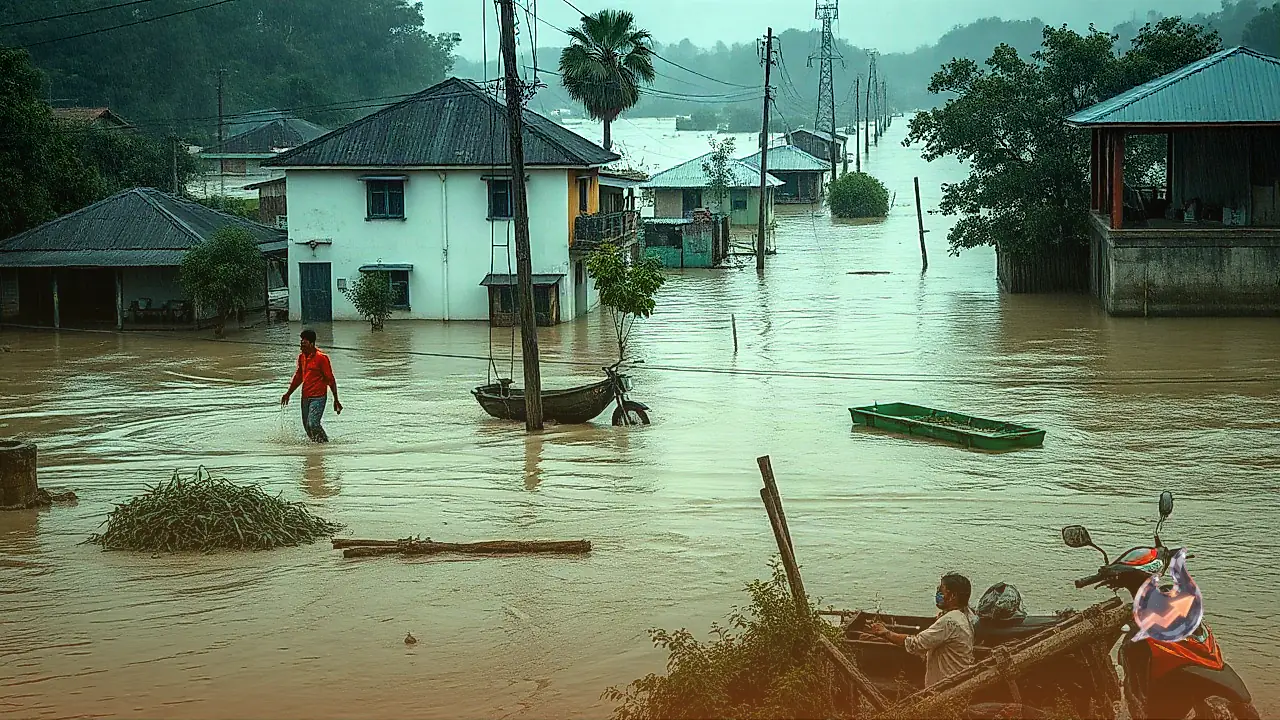

























While the arrival of the rainy season presents growth opportunities for aquaculture operations, it simultaneously poses significant management challenges for fish farmers. Heavy and continuous downpours lead to a rapid rise in pond water levels, triggering abrupt shifts in water quality parameters. These environmental fluctuations cause severe stress among fish populations, drastically reduce dissolved oxygen levels, and escalate the risk of infectious diseases. Furthermore, overflowing ponds risk sweeping away fish stock, which can cause heavy financial losses. Implementing proactive management strategies is therefore essential for safeguarding fish health and maintaining high yield and profitability.
Water Level Monitoring and Drainage Management
Shashank Naman, Fisheries Inspector of Rae Bareli and a BSc Agriculture graduate from Allahabad University, emphasizes the necessity of consistent water level oversight throughout the monsoon season. Continuous rain can flood ponds beyond their holding capacity, making proper drainage arrangements essential. Farmers must install sturdy fine-mesh nets at all drainage points to prevent fish from escaping alongside excess water during drainage operations.
Maintaining Water Quality, Temperature, and pH Balance
Rainwater entering the pond can alter critical parameters such as pH levels, water temperature, and overall clarity. Unusually turbid water or foul odors entering the pond environment require immediate corrective action. According to Shashank Naman, farmers should closely monitor fish behavior for early warning signs of distress. Frequent surfacing or lethargic movement indicates degrading water conditions, which warrants prompt consultation with aquaculture experts.
Addressing Dissolved Oxygen Depletion with Aeration Systems
Extended cloud cover and persistent rain severely reduce sunlight penetration, leading to a sharp drop in dissolved oxygen levels within the pond. In response to oxygen scarcity, fish often gather near the water surface, gaping for air. To remedy this condition, farmers should establish continuous water circulation and implement proper aeration mechanisms. The deployment of mechanical aerators is highly recommended for larger pond facilities to maintain safe oxygen concentrations.
Feed Management and Preventing Overfeeding
Overfeeding during rainy weather degrades the aquatic ecosystem. Uneaten feed settles at the pond bottom and undergoes decomposition, impairing water quality and accelerating oxygen consumption. Feed rations should be strictly calculated based on fish population density, average size, and current weather conditions. If fish show a reduced appetite, farmers should immediately investigate the underlying causes rather than offering excess feed.
Reinforcing Pond Embankments and Weed Control
Heavy rainfall combined with water pressure increases the vulnerability of pond embankments to soil erosion. Regular inspections of dykes and bunds are vital, allowing farmers to repair damaged sections before structural failures occur. Additionally, clearing overgrown weeds and wild bushes around the perimeter helps maintain a clean and manageable pond environment.
Disease Detection and Safe Treatment Protocols
Degraded water quality creates an environment conducive to bacterial infections and skin diseases among fish. Symptoms such as body lesions, white spots, fin rot, or erratic swimming patterns should never be ignored. Shashank Naman advises against the indiscriminate application of chemicals or medicines without prior consultation with certified fisheries specialists.